








What Happened on Flight AI 2030?
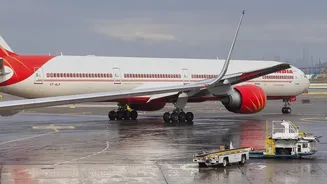
On October 14, 2026, Air India flight AI 2030, a Boeing 787 operating from Frankfurt to Delhi, was diverted to Jaipur after transmitting a 'squawk 7500' code. This specific transponder code is an internationally recognised signal for unlawful interference,
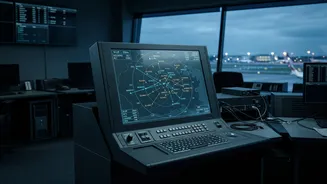
or hijacking. The alert was detected by Air Traffic Control (ATC) while the plane was in Indian airspace, triggering an immediate security protocol. The aircraft, with 306 people on board, landed safely in Jaipur and was moved to an isolation bay where it was surrounded by security agencies, including the Anti-Terrorism Squad. Passengers and crew were evacuated for security checks. However, the pilots had reportedly told ATC that the flight was operating normally and they had not set the code. After a thorough inspection cleared the aircraft, passengers re-boarded, and the flight continued to its destination in Delhi.
Hijack Code: An Accidental Signal?
The central mystery is why the 7500 squawk code was transmitted. An investigation by the Directorate General of Civil Aviation (DGCA) is underway. Initial speculation pointed to a pilot accidentally inputting the code, but some senior pilots have called this extremely unlikely, as each of the four digits must be set manually. Another possibility being investigated is a technical glitch, either with the aircraft's transponder or the ATC radar system that detected the signal. Air India referred to the event as a 'perceived security concern'. Ultimately, it was a false alarm, but one that required authorities to follow strict procedures designed for a worst-case scenario.
The Anatomy of a Cockpit Alert
This incident highlights that not all alerts signify an immediate disaster. Modern aircraft are equipped with sophisticated Flight Warning Systems (FWS) designed to give pilots advance notice of potential issues. These alerts are categorised by urgency, usually distinguished by colours and sounds. Advisories (often white or green) are for informational purposes. Cautions (amber or yellow) signal a developing issue that requires prompt but not immediate crew action, like a non-critical system fault. Warnings (red) indicate a serious problem that demands immediate attention, such as a fire, cabin depressurisation, or a potential collision. These are often accompanied by loud alarms or a synthetic voice.
Warning Systems vs. Declared Emergencies
Automated warnings are generated by systems like the Enhanced Ground Proximity Warning System (EGPWS), which prevents collisions with terrain, or the Traffic Collision Avoidance System (TCAS), which monitors other aircraft. These are proactive tools designed to enhance situational awareness. A pilot receiving a TCAS 'climb' instruction, for instance, is following a preventative safety measure. A declared emergency, on the other hand, is a conscious action taken by the pilot when the safety of the aircraft is in danger. This involves the pilot making a 'Mayday' or 'Pan-Pan' call to ATC. While a red warning could lead to a declared emergency, many alerts are resolved by pilots through standard procedures without escalating to a full-blown crisis.
The Pilot's Role: Aviate, Navigate, Communicate
When an alert sounds, pilots are extensively trained to follow a strict protocol: Aviate, Navigate, Communicate. Their first and most critical priority is to 'aviate'—fly the aircraft and ensure it remains in a stable, safe state of flight. Next, they 'navigate'—determine their position and a safe course of action, which could mean continuing, diverting, or returning. 'Communicate' is deliberately last. Only after the aircraft is under control do they inform ATC of the situation. This disciplined approach ensures that pilots are not distracted from their primary task of flying the plane safely. For every warning, there is a checklist, and crews methodically work through the problem to verify the signal and take corrective action.