




An Evening With The Planets
Your planetary viewing begins right after sunset. Look to the west to spot the unmistakably brilliant Venus, which dominates the early evening sky all month. As the sky darkens, turn your gaze eastward where yellowish Saturn will be rising. Saturn is a fantastic
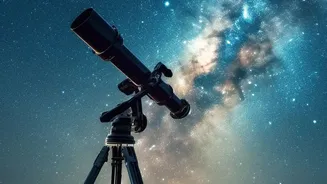
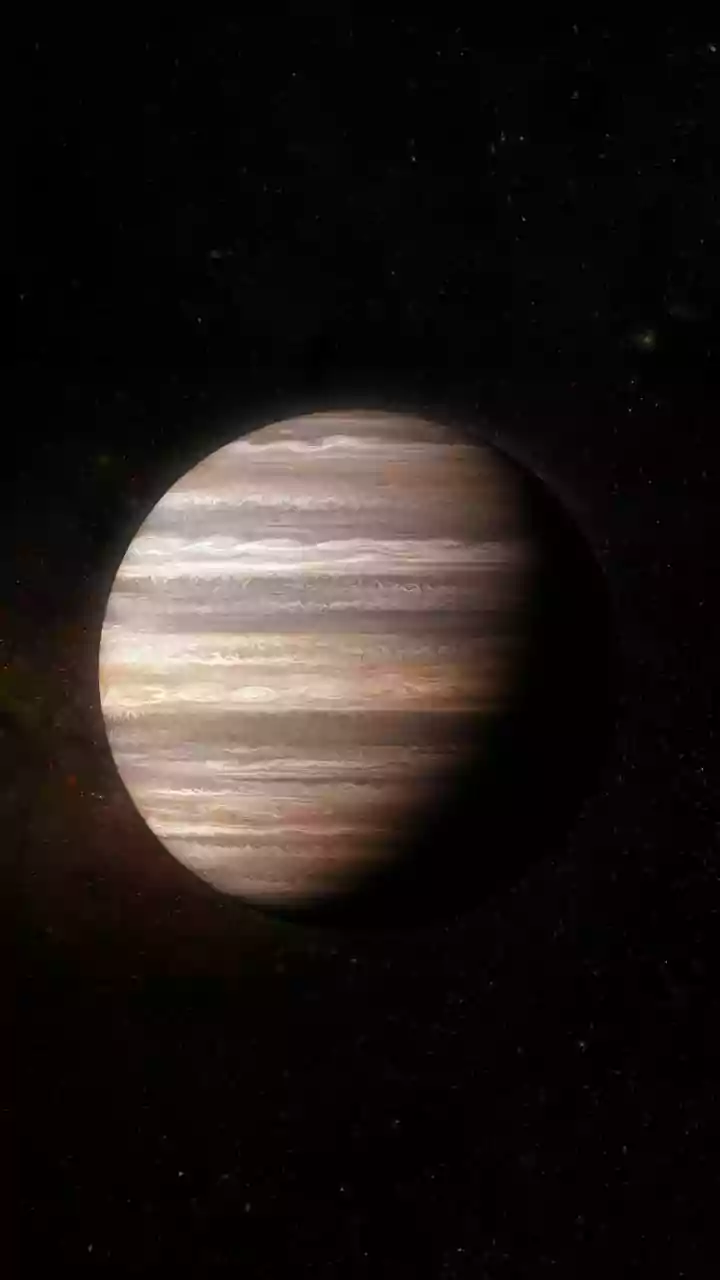
target all evening, climbing higher as the night progresses. While you'll need a telescope to see its famous rings, its steady, golden light is a beautiful sight for the naked eye. In the pre-dawn hours, the show continues with reddish Mars high in the sky. Very bright Jupiter also makes an appearance low in the east just before sunrise.
Farewell to the Summer Triangle
High in the sky after sunset are the three bright stars that form the famous Summer Triangle: Vega, Deneb, and Altair. Vega, in the constellation Lyra, is the highest and brightest of the trio. Below it towards the east is Deneb, the tail of Cygnus the Swan, and to the southeast is Altair, the head of Aquila the Eagle. This asterism is a hallmark of the summer sky, and late August is a perfect time to trace its form. As the night deepens, you can see the faint, hazy band of the Milky Way appearing to run right through the triangle, splitting into a Great Rift of dark dust lanes near Cygnus. Enjoy this view, as these constellations will begin to shift westwards, making way for the stars of autumn.
Scorpions and Teapots in the South
Look towards the south to find two of the most recognizable summer constellations. Scorpius, with its bright, reddish star Antares marking the scorpion's heart, is a stunning sight. Its curved tail of stars makes it one of the few constellations that truly resembles its namesake. Just to the east of Scorpius is the constellation Sagittarius. While it’s meant to be an archer, most modern stargazers easily spot the shape of a teapot within its stars. This region of the sky is particularly special because it points toward the dense, bright core of our own Milky Way galaxy. From a dark location, this area will appear as a glowing cloud of countless stars.
The Last Sparks of the Perseids
The famous Perseid meteor shower peaks around August 12-13, but its activity continues until about August 24. This means that even in late August, you still have a chance to catch a few stray “shooting stars” in the late-night hours. While the peak rate of 50-100 meteors per hour will have passed, the shower still produces bright, fast meteors with long, persistent trains. For the best chance, find a dark spot away from city lights, let your eyes adjust for at least 20-30 minutes, and look towards the northeast after midnight. Unfortunately, viewing will be hampered by a brightening moon, with a Full Moon occurring on August 28th, which will wash out fainter meteors.
Tips For a Great Stargazing Session
To make the most of your late-August stargazing, preparation is key. The biggest challenge in most of India remains the monsoon, so take advantage of any break in the clouds. For the best views, travel away from the light pollution of major cities. Places like the Rann of Kutch, Jaisalmer, Spiti Valley, or Hanle in Ladakh offer some of the darkest skies in the country. Download a stargazing app on your phone to help you identify planets and constellations in real-time. Give your eyes at least 20 minutes to fully adapt to the darkness, and avoid looking at your bright phone screen. Most importantly, bring a reclining chair or a mat so you can lie back comfortably and enjoy the show.