



A Journey Through Time
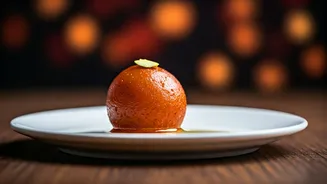
The story of the gulab jamun is a delicious lesson in cultural fusion. While it feels quintessentially Indian, its roots are believed to stretch back to Persia. Culinary historians connect it to luqmat al-qadi, an ancient deep-fried dough ball soaked
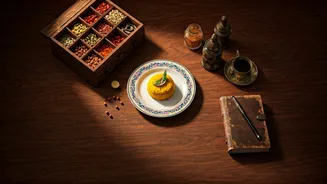
in honey and sprinkled with sesame, popular across the medieval Arab world. It’s thought that Persian invaders and cooks brought this concept to the Indian subcontinent. In the kitchens of Mughal emperors, the dessert was refined. The honey was replaced with a fragrant sugar syrup infused with rosewater (gulab) and cardamom, and the final creation was named for its resemblance to the local jamun fruit. This blend of foreign technique and local flavour created the iconic sweet we know and love today.
The Ultimate Crowd-Pleaser
One of the key reasons for gulab jamun's dominance is its sheer practicality. Unlike many other Indian sweets that require last-minute preparation, gulab jamuns can be made well in advance. In fact, they taste even better after a day or two of soaking in the sugary syrup, allowing the flavours to deepen. They can be served warm on a chilly winter evening or at room temperature during a summer festival, making them incredibly versatile. This convenience is a blessing for anyone hosting a large gathering, from a Diwali party to a wedding reception. Their simple ingredient list—primarily khoya (milk solids), flour, and sugar—also makes them accessible to prepare in large quantities without breaking the bank.
A Unifier of Palates
In a country as diverse as India, with countless regional culinary specialities, the gulab jamun acts as a great unifier. From the northern plains to the southern coasts, it's a flavour that nearly everyone recognises and enjoys. While a Bengali might swear by their Roshogolla and a Mysorean by their Mysore Pak, almost everyone has a soft spot for a warm gulab jamun. This universal appeal makes it a safe and guaranteed hit for any occasion. When you’re catering for a mixed crowd of relatives, friends, and colleagues, serving gulab jamun is a way of ensuring there’s a dessert that will bring a smile to every face, transcending regional tastes and preferences.
The Science of Comfort and Joy
Beyond history and convenience, there’s a simple science to its appeal. The combination of fat (from the khoya and deep-frying) and sugar is a powerful one, triggering pleasure centres in our brain. The soft, spongy texture and the burst of warm, fragrant syrup create a comforting sensory experience that is deeply satisfying. For many, the taste is intrinsically linked to memories of happiness and togetherness—of festivals with family, of wedding feasts, and of small, everyday triumphs celebrated with a sweet treat. This emotional connection elevates gulab jamun from being just food to being a vehicle for nostalgia and joy.
A Classic That Keeps Evolving
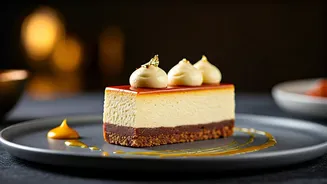
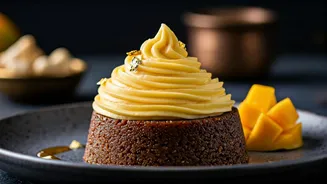
While the traditional recipe remains sacred, the gulab jamun has proven to be remarkably adaptable. In the age of culinary fusion, chefs and home cooks are constantly finding new ways to present this classic. We now see gulab jamun cheesecakes, trifles, cupcakes, and even ice creams. These modern interpretations don't replace the original; instead, they pay homage to it, introducing its beloved flavour profile to new generations and contexts. This ability to evolve while retaining its core identity ensures that the gulab jamun remains relevant and exciting, securing its place on celebration menus for years to come.