
The Ancient Magic of Fermentation
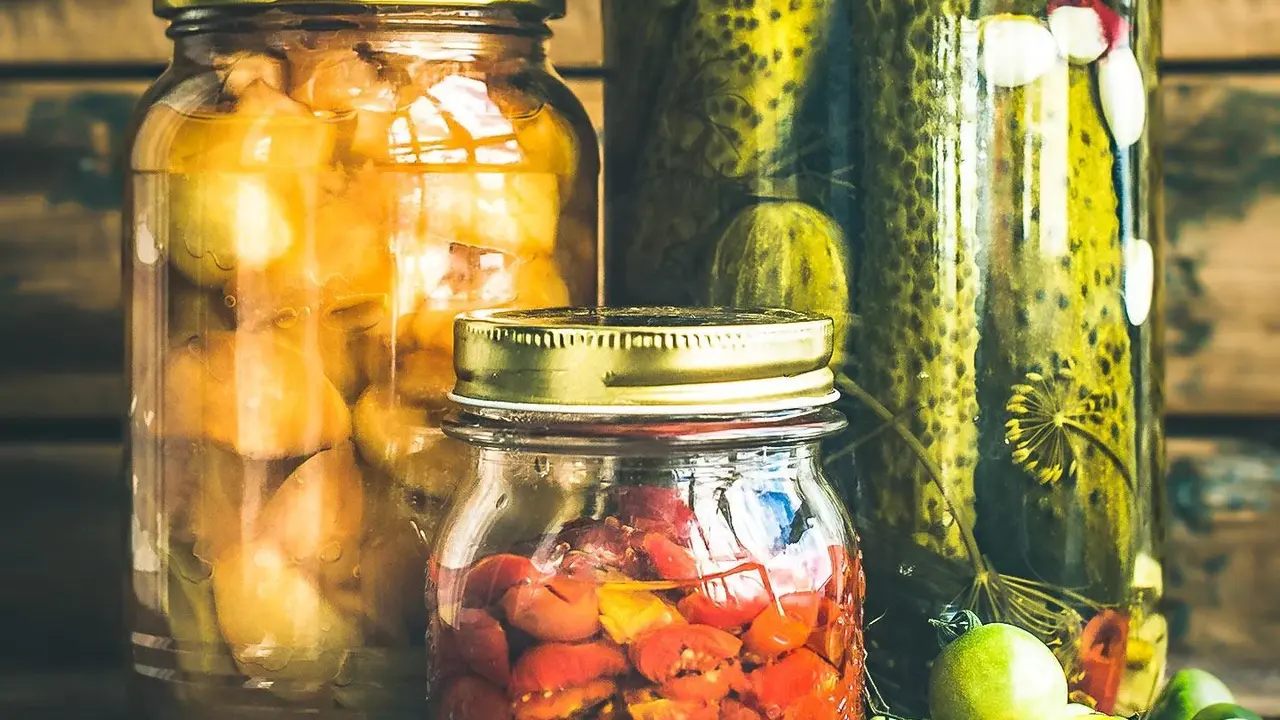
Before refrigeration, fermentation was a primary method of food preservation. The process is a form of natural magic, where beneficial bacteria, specifically Lactobacillus, convert sugars in vegetables into lactic acid. This lactic acid not only preserves
the vegetables but also creates an environment where harmful bacteria cannot survive, making it an incredibly safe preservation technique. Unlike vinegar pickling, which involves adding an external acid, fermentation creates its own, resulting in a more complex flavour profile and, most importantly, a food that is rich in live, active cultures—commonly known as probiotics.
The Gut-Immunity Connection
The promise of boosting immunity starts in the gut. A significant portion of our immune system resides in our digestive tract, and a healthy, diverse community of gut microbes is crucial for its proper function. Probiotic-rich foods, like fermented pickles, introduce beneficial bacteria to your system. These microorganisms can help maintain a balanced gut microbiome, which may in turn support and regulate immune responses. While no single food is a silver bullet, regularly consuming a variety of fermented foods helps foster a gut environment that is better equipped to handle challenges, reduce inflammation, and support overall health.
What You Will Need
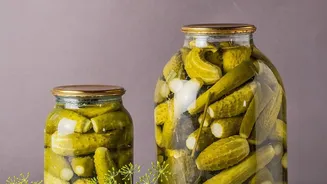
The beauty of lacto-fermentation lies in its simplicity. You don’t need expensive, specialized equipment to get started. All you need are a few basic items: glass jars with lids, vegetables, salt, and water. A quart-sized wide-mouth glass jar is perfect for beginners. For vegetables, classic choices like Kirby cucumbers, carrots, and green beans are excellent starting points. Use a good quality, iodine-free salt, such as sea salt or pickling salt, as iodized salt can inhibit the fermentation process. Finally, use filtered or distilled water if your tap water is heavily chlorinated, as chlorine can also interfere with the beneficial bacteria.
A Simple Step-by-Step Guide
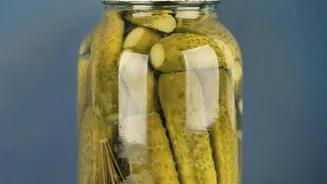
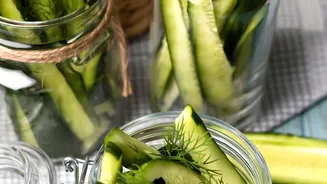
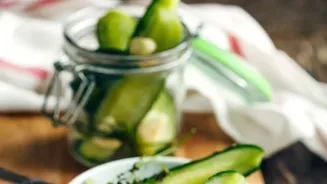
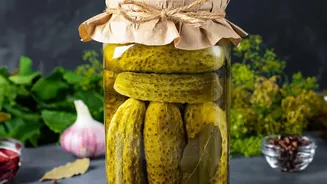
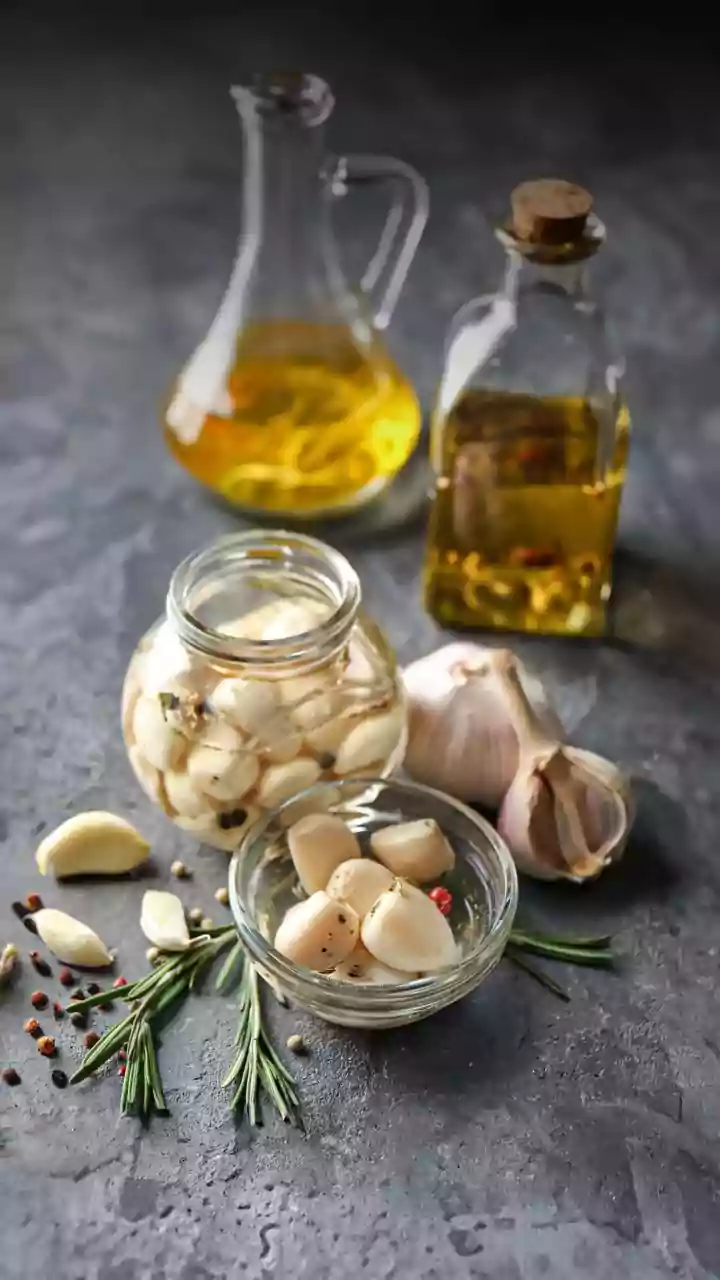
Ready to make your first batch? Follow these simple steps. First, wash your vegetables and jars thoroughly. Prepare your vegetables by trimming them and cutting them into spears or rounds, if desired. Next, prepare the salt brine. A general rule of thumb is to dissolve about 1 tablespoon of salt into 2 cups of water. Pack your vegetables tightly into the jar along with any flavourings like garlic cloves, dill sprigs, or peppercorns. Pour the salt brine over the vegetables, ensuring they are completely submerged, leaving about an inch of headspace at the top of the jar. Loosely cover the jar with a lid to allow gases to escape and place it on a plate to catch any overflow.
The Fermentation Process: What to Expect
Place your jar in a cool, dark place at room temperature, like a kitchen cabinet. Within a day or two, you should start to see bubbles forming and the water may become cloudy. This is a great sign! It means the Lactobacillus bacteria are at work. You might also notice a pleasant, sour aroma developing. It’s important to check the jar daily to ensure the vegetables remain fully submerged in the brine, as exposure to air can encourage mold. After 3 to 5 days, you can start tasting your pickles. When they reach a level of sourness you enjoy, tighten the lid and move the jar to the refrigerator. This will slow the fermentation process way down and preserve your pickles for weeks or even months.
Tips for Crunchy, Flavourful Pickles
Nobody likes a mushy pickle. To help ensure a crunchy result, trim off the blossom end of cucumbers, which contains an enzyme that can cause softening. Adding a tannin-rich leaf, like a grape leaf, oak leaf, or even a black tea bag, to your jar can also help keep your pickles crisp. Don't be afraid to experiment with flavours. Whole spices like mustard seeds, coriander, and red pepper flakes add layers of complexity. Fresh herbs and garlic are classic additions that infuse the brine with wonderful aromatics. The journey of fermentation is one of discovery, so feel free to adjust ingredients and timing to create the perfect pickle for your palate.