




Plan Before You Leave Home
The single most effective strategy for a smoother monsoon commute is proactive planning. Don't wait until you're at your door to discover the chaos outside. Before you start your journey, check the latest weather forecasts from a reliable source like
the India Meteorological Department (IMD) or apps such as AccuWeather and Skymet Weather. Many cities also have local traffic police accounts on social media that provide real-time updates on waterlogging and diversions. If heavy rain is predicted, the simplest decision might be the most effective: leave earlier than usual. Giving yourself a buffer of 30-60 minutes can make the difference between a stressful rush and a manageable journey. Planning also means having a couple of alternative routes in mind in case your primary path is blocked.
Your Monsoon Commute Kit
A well-packed bag can be your best defense against the rain. Beyond a sturdy umbrella or raincoat, think about the small items that offer big comfort. A waterproof backpack or a dedicated rain cover is non-negotiable to protect your laptop, documents, and other electronics. For extra security, use waterproof pouches or zip-lock bags for your phone and wallet. A power bank is a lifesaver when unexpected delays drain your phone battery. Also, consider packing a small microfibre towel, which dries much faster than cotton, and an extra pair of socks to avoid spending the day in damp footwear. Finally, carrying some drinking water and light snacks can help if your journey takes significantly longer than planned.
Choose Your Gear Wisely
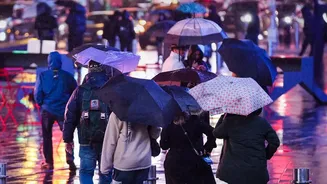
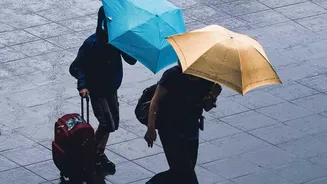
What you wear can significantly impact your safety and comfort. Footwear with a good grip is essential, as station platforms, footbridges, and paved surfaces become extremely slippery when wet. Avoid leather shoes and opt for rubber sandals, waterproof floaters, or quick-dry sneakers. When it comes to rain protection, choose based on your mode of transport. For two-wheeler riders, a two-piece raincoat provides the best coverage and safety against wind. If you primarily use public transport like the metro or buses, a strong, compact umbrella is often more practical. For those who carry a large backpack, a poncho can be a great option as it covers both you and your bag.
Navigating Roads and Public Transport
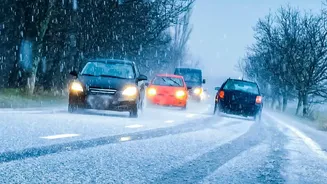
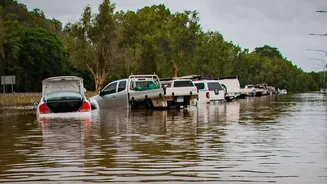
If you're driving a car or riding a two-wheeler, reduce your speed and increase the distance from the vehicle ahead, as braking distances are longer on wet roads. Use your low-beam headlights for better visibility. The biggest hazard is waterlogged streets. Never drive or walk through water if you cannot see the ground beneath it; hidden potholes or open manholes pose a serious danger. For those using public transport, be prepared for delays. Live tracking apps for buses and trains can help you monitor schedules and avoid long waits at crowded stops. If possible, try to board from less crowded stations and be extra cautious on slippery stairs and platforms.
Leverage Technology for a Smarter Commute
Your smartphone is a powerful tool against monsoon travel woes. Use navigation apps like Waze or Mappls, which offer real-time traffic updates and can suggest alternative routes to avoid gridlock. Many public transport systems now have official apps that provide live tracking and disruption alerts. Beyond transport, weather apps like Meghdoot, provided by the IMD, offer localised and reliable forecasts. It's also wise to have offline maps downloaded for your key routes, as heavy rain can sometimes disrupt mobile networks. Keeping your phone in a waterproof pouch ensures this lifeline remains functional when you need it most.
Prioritise Your Health and Safety
A rain-disrupted commute comes with hidden health and safety risks. Avoid walking through stagnant water to protect yourself from water-borne diseases. Be extremely cautious of your surroundings and watch out for loose electrical wires, which can be a serious electrocution hazard, especially in flooded areas. Also, remember that wet clothes can make you feel colder, especially in air-conditioned buses or offices, potentially leading to illness. If you get drenched, try to change into dry clothes as soon as possible. Carrying a hand sanitizer is also a good idea to maintain hygiene after coming into contact with rainwater.