



What is Sattu?
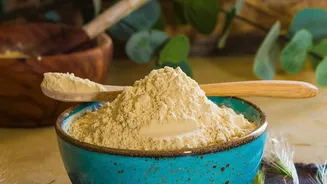
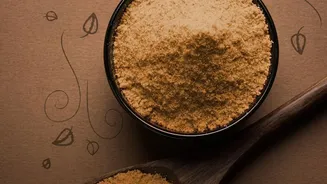
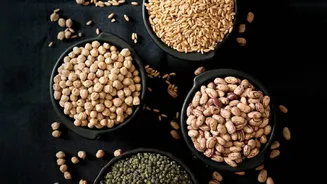
Sattu is a flour made from roasted Bengal gram (chana), and it has been a dietary staple in states like Bihar, Jharkhand, and Uttar Pradesh for centuries. Traditionally known as the “poor man’s protein,” it was valued for being an affordable, nutrient-dense
food that provides sustained energy. The roasting process not only gives it a unique nutty flavour but also preserves its impressive nutritional profile, making it a convenient, ready-to-use ingredient. Unlike other flours, it doesn't require cooking and can be mixed into drinks or formed into meals instantly.
The Nutritional Powerhouse for Fitness
The reason sattu is gaining traction in fitness circles is its stellar nutritional makeup. A 100-gram serving packs between 20 to 26 grams of high-quality plant-based protein, rivaling many commercial protein powders. This protein is crucial for repairing the micro-tears in muscles that occur during exercise, which is how muscles grow stronger. Beyond protein, sattu is rich in dietary fiber, which aids digestion and promotes a feeling of fullness, helping with weight management. It also boasts a low glycemic index, providing a slow and steady release of energy without causing blood sugar spikes. Furthermore, it's packed with essential minerals like iron, magnesium, and manganese, which support energy metabolism, bone health, and muscle function.
Why It's Ideal for Muscle Recovery
After a workout, your body needs two main things: protein to repair muscle tissue and carbohydrates to replenish depleted energy (glycogen) stores. Sattu delivers both. It contains all essential amino acids, making it a complete protein source that is effective for muscle protein synthesis. The complex carbohydrates in sattu help restore glycogen levels, which is vital for stamina and performance in your next workout. Some nutrition experts also highlight that sattu is easily digestible, meaning its nutrients are quickly available to the body when it needs them most—right after exercise. Its natural cooling properties also help in hydration, making it a perfect post-workout choice, especially in warmer climates.
Crafting the Ultimate Post-Workout Sattu Bowl
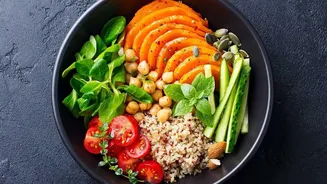
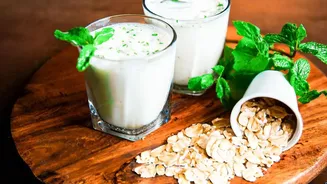
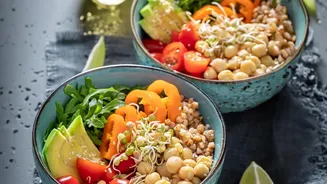
While a simple sattu drink is traditional, creating a sattu bowl can make for a more satisfying and nutritionally complete meal. It’s simple to prepare and endlessly customizable. Start with a base of 4-6 tablespoons of sattu powder. To create a paste and avoid lumps, add a small amount of water or milk and mix thoroughly. Then, gradually stir in more liquid like low-fat milk, almond milk, or yogurt until you reach a thick, porridge-like consistency. From there, enhance the protein content and flavour with your favorite toppings. Good additions include a scoop of Greek yogurt, a sprinkle of nuts and seeds like almonds or flaxseeds, and fresh fruit such as banana or mango for natural sweetness and extra nutrients. A touch of jaggery or honey can be added for taste.
When and How to Incorporate It
For muscle recovery, the best time to consume a sattu bowl is within 30-45 minutes after finishing your workout. This is often called the 'anabolic window,' when your muscles are most receptive to absorbing nutrients for repair and growth. However, sattu is versatile enough to be used at other times as well. A sattu bowl can serve as a fulfilling, high-protein breakfast to kickstart your day or as a healthy snack to curb midday hunger. Fitness experts suggest that its high fiber and protein content make it effective for satiety, which can prevent overeating and support weight management goals. You can also find sattu in other forms, such as in parathas or energy balls called ladoos.