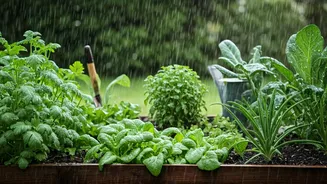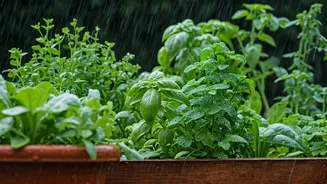





Why Monsoon is a Gardener's Friend
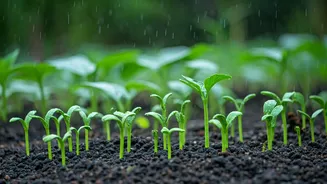
Let’s bust the biggest myth first: the monsoon is not an enemy to gardening. In fact, for many plants, it’s a blessing. The consistent moisture reduces your watering duties significantly, and the high humidity creates a greenhouse-like effect that encourages
leafy growth. The cooler temperatures are also a relief for plants that struggle in the scorching summer heat. The key isn’t to fight the rain, but to work with it. By choosing the right plants and making a few simple adjustments to your setup, you can harness the power of the monsoon to yield a fresh, organic harvest right at home.
Choose Your Monsoon Champions
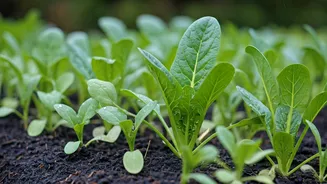
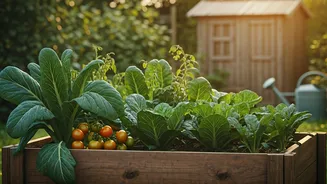
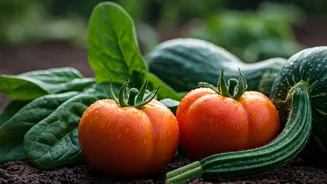
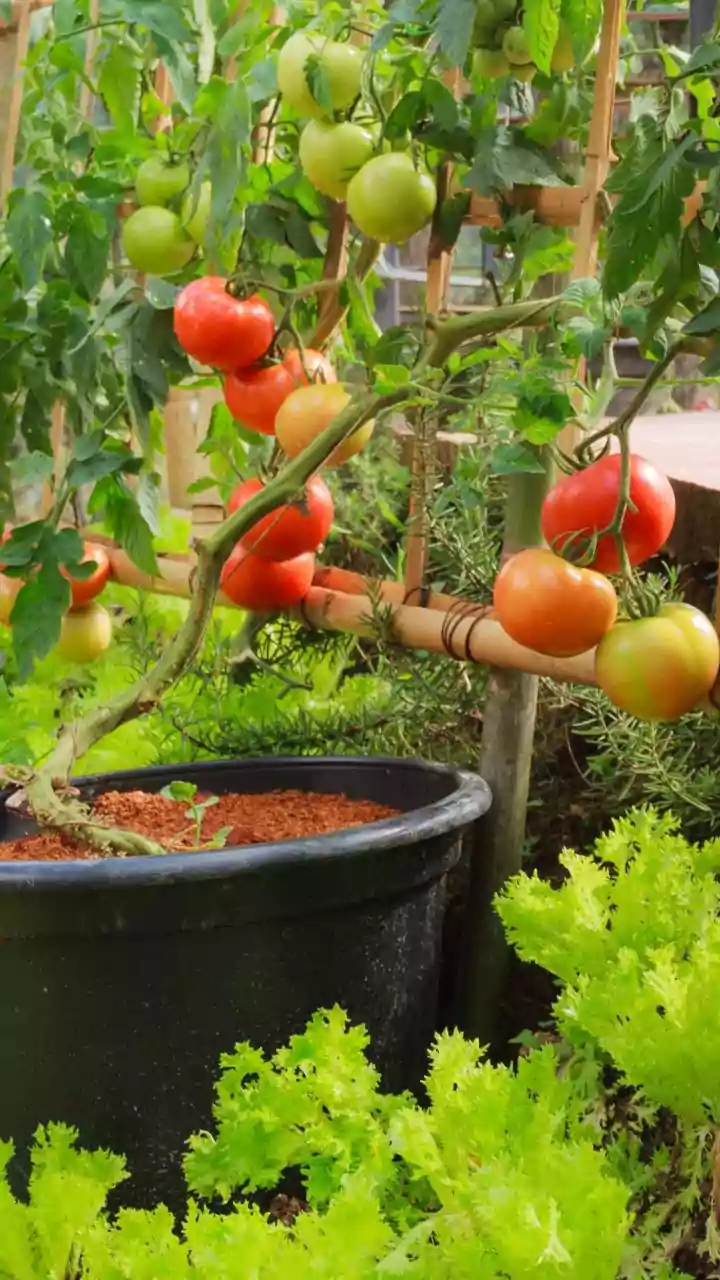
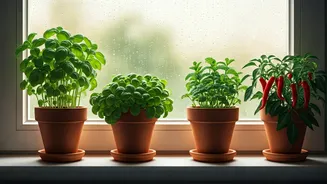
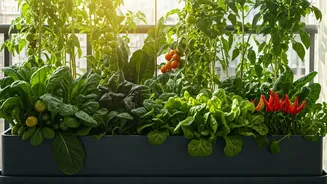
Not all plants enjoy a downpour, so selection is crucial. The stars of the monsoon garden are typically fast-growing leafy greens and robust gourds. For beginners, it's best to start with plants that are known to thrive in these conditions. Consider these reliable options: * Leafy Greens: Spinach (palak), amaranth (chaulai), and Malabar spinach (poi saag) grow vigorously in the humid weather. * Herbs: Mint (pudina), coriander (dhania), and basil (tulsi) do exceptionally well. They are easy to grow in small pots on a windowsill. * Vegetables: Bhindi (okra), chillies, brinjal, and various gourds like lauki (bottle gourd) and karela (bitter gourd) are fantastic choices. For gourds, you’ll need a bit more space and a trellis for them to climb. * Root Vegetables: Radish (mooli) and turmeric (haldi) can also be planted during this season, as the soft, moist soil helps their development.
Master Your Potting Mix
The single most important factor for success in a monsoon garden is drainage. Waterlogged soil leads to root rot, the number one killer of potted plants during this season. A regular garden soil mix will become too dense and muddy. Instead, create a light, well-draining potting mix. A foolproof formula is one part garden soil, one part cocopeat (or sand), and one part compost (like vermicompost). The soil provides structure, the cocopeat retains just enough moisture while keeping the mix airy, and the compost provides essential nutrients. This trio ensures that excess water drains away freely, protecting your plant’s roots.
Water Wisdom and Drainage Hacks
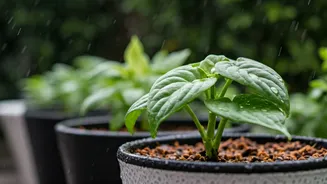
Even with the perfect soil mix, you need to ensure your pots can handle the deluge. First, check that every pot has at least one, if not several, drainage holes at the bottom. If you’re worried about soil washing out, you can cover the holes with a piece of a broken pot or a few small pebbles before adding the soil. A simple but effective trick is to elevate your pots. Place them on pot stands, bricks, or 'pot feet' to lift them a few inches off the ground. This prevents the base from sitting in a puddle and allows air to circulate underneath, further improving drainage. And remember, while it’s raining, you rarely need to water your plants. Always check the soil first; if the top inch feels dry, then you can water lightly.
Pest Patrol in the Rains
The damp and humid conditions are not just great for plants; they're also a breeding ground for fungal diseases and pests like aphids and mealybugs. Stay vigilant. Inspect your plants every couple of days, paying close attention to the undersides of leaves. The best defence is a good offence. A simple, organic solution is a neem oil spray. Mix a few drops of neem oil and a drop of liquid soap in a litre of water and spray it on your plants once a week as a preventative measure. This will deter most common pests without harming your plants or your future harvest.