





What Exactly is a 'Dark Store'?
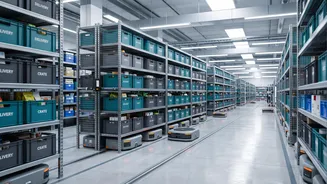
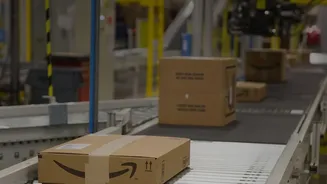
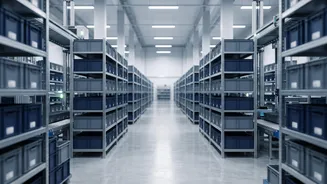
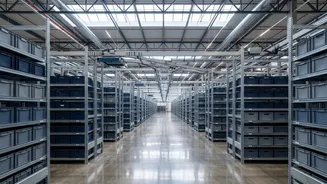
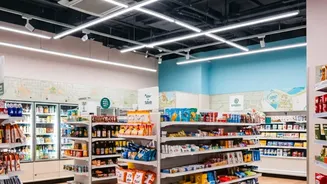
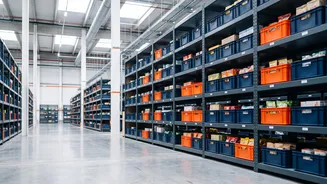
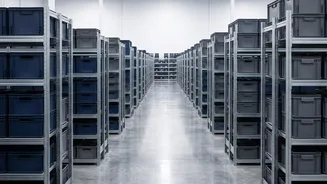
Imagine a supermarket that no customer can enter. It has aisles, shelves, refrigerators, and thousands of products, from milk and bread to chargers and snacks. But instead of shoppers, it's filled with 'pickers' who race to grab items for orders placed
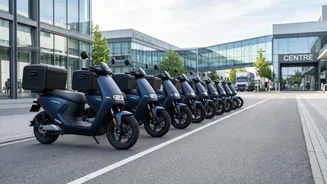
on an app. These mini-warehouses, known as dark stores, are the engine of quick commerce. They are strategically placed within dense residential areas to serve a tight radius, typically just two to three kilometres, which is the secret to fulfilling delivery promises of 10 to 20 minutes. These facilities, ranging from 2,000 to 8,000 square feet, are optimised purely for speed, not customer experience.
Why Bengaluru is the Undisputed Epicenter
Bengaluru has more dark stores than any other city in India. A July 2026 report mapping the country's five largest platforms—Blinkit, Zepto, Swiggy Instamart, Flipkart Minutes, and BigBasket—found 629 dark stores in Bengaluru. This was significantly ahead of Delhi (474) and Hyderabad (406). This concentration means Bengaluru has a dark store density nearly three times the national average, with about 153 square feet of dark store space for every 1,000 people. The city is a perfect storm for quick commerce: its notorious traffic makes quick deliveries more appealing than a trip to the store, and its landscape is dominated by large apartment complexes, which are gold mines for delivery efficiency. Combined with a young, tech-savvy population with high digital adoption and disposable income, Bengaluru has become the key battleground where all major platforms compete intensely.
The Impact on Neighbourhoods and Real Estate
The dark store boom is reshaping commercial real estate. Suddenly, 'non-prime' ground-floor spaces, old godowns, and side-street properties are in high demand. For property owners, this has been a windfall, with some reporting rental offers 20-30% above market rates and longer lease terms. However, the impact on residents is mixed. While providing convenience, the constant buzz of delivery riders and supply vans has introduced new traffic and noise into quiet residential lanes. This has led to some pushback from landlords and resident associations who are weighing the attractive rents against the disruption to neighbourhood peace.
A Boost for the Gig Economy, a Challenge for Kiranas
Dark stores are significant job creators. Bengaluru's 629 stores are estimated to employ between 6,300 and 12,600 people in roles like pickers, packers, and store managers. Due to high attrition rates common in the industry, these platforms may need to hire over 20,000 people annually in the city just to maintain staffing levels. This provides a major source of employment for the blue-collar workforce. On the other side of the coin, small retailers and traditional kirana stores are feeling the pressure. In late 2025, a national retailer body sought government support, arguing that neighbourhood stores are struggling to compete with the speed, discounts, and deep pockets of quick-commerce giants.
What's Next for Dark Stores?
The initial land grab for locations is maturing into a focus on efficiency. Companies are now looking to increase the number of orders per store and expand their product offerings, with some stores growing from stocking 4,000 items to over 10,000. We are also seeing the rise of 'mega dark stores' to support this wider range. On the regulatory front, while there are no laws specifically for dark stores yet, broader e-commerce regulations are tightening. New rules coming into effect in 2027 will mandate greater transparency in pricing and prohibit deceptive 'dark patterns' in user interfaces, which will apply to quick-commerce apps.