



1. Plan Your Meals, Not Just Your Day
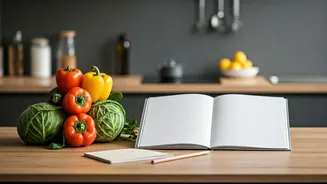
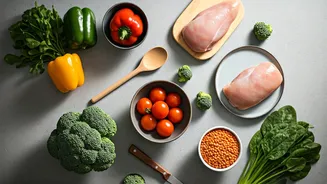
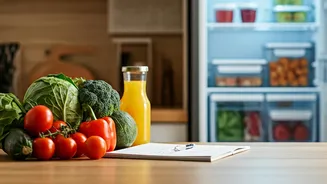
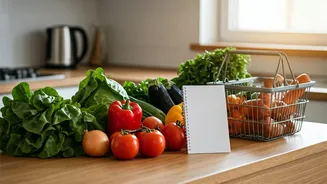
The single biggest money-saver in the kitchen happens before you even start cooking. Meal planning prevents impulse buys and the dreaded 'what's for dinner?' panic that leads to expensive takeaways. Once a week, sit down and map out your meals. Check
what you already have in your pantry and fridge. Create a shopping list based only on what you need. This simple habit drastically cuts down on food waste, as you buy with purpose and use everything you purchase. It also saves mental energy during a busy week.
2. Embrace 'Root to Stem' Cooking
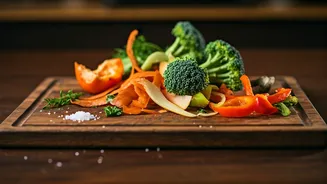
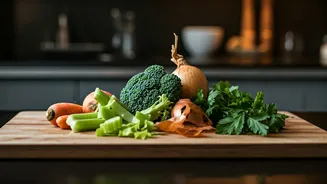
We often throw away perfectly edible and nutritious parts of vegetables. Think cauliflower stems and leaves, broccoli stalks, or carrot tops. These can be transformed into delicious dishes. Chop cauliflower stems and add them to your sabzi, blend broccoli stalks into a creamy soup, or whizz carrot tops into a zesty pesto. This approach not only doubles the value you get from each vegetable but also adds different textures and nutrients to your diet. Before you toss any part of a plant in the bin, a quick search online can reveal creative ways to use it.
3. Make Your Own Basic Staples
Convenience comes at a cost. Packaged ginger-garlic paste, ready-made paneer, and store-bought ghee are significantly more expensive than their homemade counterparts. Making these at home is easier than you think. A large batch of ginger-garlic paste can be made in minutes and stored in the fridge for weeks. Making paneer from milk is a simple process that yields a fresher, softer product. Similarly, making ghee from malai (cream) collected over a week is a classic Indian tradition for a reason — it’s economical and pure. These small efforts add up to big savings.
4. Buy Whole Spices and Grind in Batches
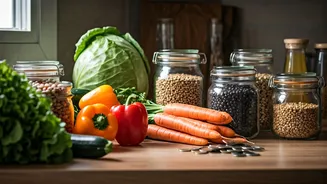
Pre-ground spices lose their potency and aroma quickly, and you pay a premium for the convenience of powder. Buying whole spices like cumin (jeera), coriander (dhania), and black peppercorns is far more economical. They also last much longer. Invest in a small coffee grinder (used exclusively for spices) and grind what you need for a week or two. The flavour will be infinitely better, and you'll find you need to use less spice to achieve the same impact, making your stock last longer.
5. The Freezer Is Your Best Friend
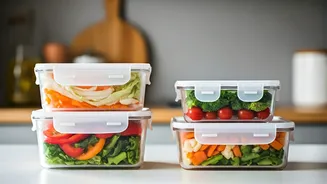
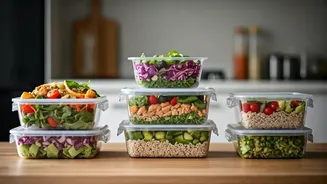
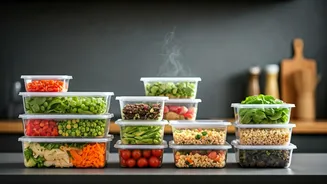
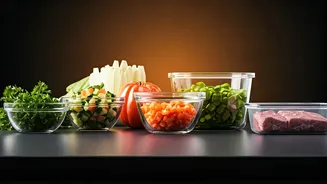
Your freezer is a powerful tool for saving money. First, use it for batch cooking. Make a large pot of dal, chana masala, or a curry base over the weekend and freeze it in meal-sized portions for quick weeknight dinners. Second, use it to prevent spoilage. Have bananas that are about to go too brown? Peel and freeze them for smoothies. Got a bunch of coriander that's starting to wilt? Chop it and freeze it in an ice cube tray with a little water to add directly to curries.
6. Repurpose Leftovers Creatively
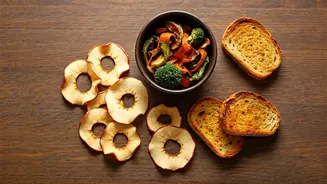
Don't let leftovers languish in the back of the fridge. Think of them as ingredients for a new meal. Leftover dal can be kneaded into flour to make flavourful dal parathas. Extra rice can be turned into delicious lemon rice or fried rice the next day. Dry sabzi from the previous night can become a filling for a sandwich or a dosa. This mindset shift—from 'eating leftovers' to 'creating a new dish'—makes the process more enjoyable and ensures nothing goes to waste.
7. Cook With the Seasons
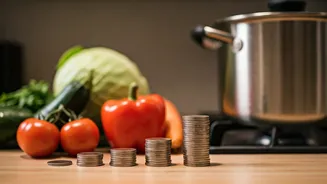
There's a reason why gajar ka halwa is a winter specialty and mangoes are a summer delight. When produce is in season, it's at its peak in flavour and at its lowest in price because it's abundant and locally available. Planning your meals around seasonal fruits and vegetables is a guaranteed way to save money and eat better. Visit your local vegetable market to see what's fresh and plentiful. It's a simple supply-and-demand principle that works in your favour.