





A Path with a Purpose
Deep in the lush, tropical rainforests of South Andaman, a new initiative is quietly making its mark. The Rainforest Birding Trail, a recent venture supported by the Andaman & Nicobar Administration, is more than just a path through the woods; it’s a statement.
Located in Kalatang and the well-known birding hotspot of Chidiyatapu Biological Park, the trail invites visitors to immerse themselves in one of India's richest ecosystems. Chidiyatapu, which translates to “Bird Island,” has long been a magnet for ornithologists and nature lovers, offering a mosaic of evergreen forests, mangroves, and coastal habitats just a short drive from Port Blair. This new guided walk aims to channel that interest into a sustainable model that benefits both the environment and the local community, highlighting birdwatching as a powerful form of eco-tourism.
The Art of Low-Impact Birding
The core philosophy of the trail is built on low-impact etiquette, a set of principles designed to minimise human disturbance. This approach is crucial in a delicate environment home to numerous endemic species found nowhere else on Earth. The rules are simple yet effective: speak in low voices, stay on marked paths, avoid using flash photography, and never play recorded bird calls to lure animals out. The goal is to observe birds in their natural state without causing stress or altering their behaviour. This mindful approach ensures that the forest remains a sanctuary, not just a spectacle. Visitors are encouraged to wear dull-coloured clothing to blend in and to move slowly, pausing frequently to listen and watch. This patient, respectful method not only protects the wildlife but also enhances the birder's experience, allowing for more authentic and meaningful encounters.
Guided by Experts
What truly elevates the experience is the quality of the guides. The trail is led by experienced birding experts and trained forest department staff who possess an intimate knowledge of the island's avifauna. These guides are more than just spotters; they are interpreters of the forest's complex ecosystem. They help participants identify birds not just by sight but also by their calls, which echo through the dense foliage. Their expertise brings the forest to life, pointing out the subtle signs of a mixed-species hunting party or the camouflaged perch of a Hume's Hawk-Owl. By hiring local guides, the initiative also provides a valuable income stream for the community, creating a direct link between conservation and local livelihoods. This collaboration ensures that the people who live closest to these natural treasures are their most passionate protectors.
The Feathered Jewels of South Andaman
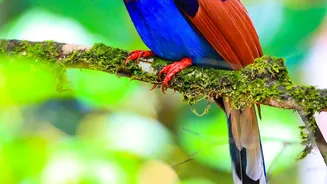
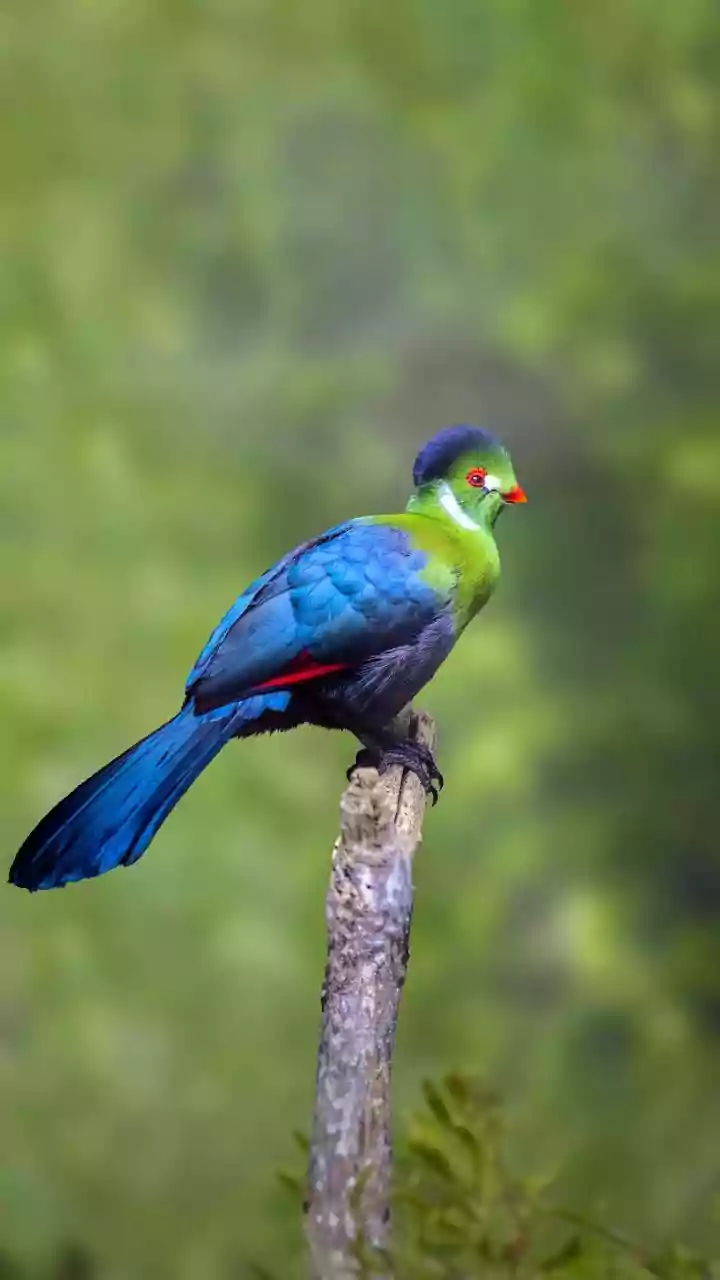
The rewards for this quiet approach are immense. South Andaman is a biodiversity hotspot with over 300 bird species, including more than 20 endemics. A walk along the trail could yield sightings of the majestic Andaman Woodpecker, the vibrant Andaman Drongo, or the shy Andaman Crake. The canopy is alive with the chatter of Andaman Bulbuls and White-headed Starlings, while the state bird, the Andaman Wood Pigeon, can be seen soaring overhead. Other endemic species birders hope to spot include the Andaman Serpent Eagle, Andaman Shama, and Andaman Cuckooshrike. The forests and wetlands around Chidiyatapu and other hotspots like Sippighat also host a variety of kingfishers, parakeets, and migratory birds, making every visit a unique experience.