



The Ultimate Hydration Hack
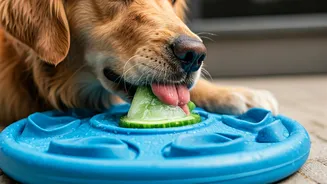
The single biggest reason pet lovers are turning to watermelon is for its incredible hydrating power. The fruit is composed of about 92% water, making it a delicious and effective way to supplement your pet’s water intake during hot and humid days. While
a full water bowl is always essential, a few chunks of frozen watermelon can be a fun, low-calorie treat that helps fight dehydration, especially for pets who are picky drinkers or need encouragement to take in more fluids after a walk or playtime.
A Slice of Nutrition
Beyond hydration, watermelon is packed with pet-friendly nutrients. It's a good source of Vitamin A, Vitamin C, and Vitamin B6, which are important for vision, skin health, and immune function. It also contains potassium, an essential mineral that supports healthy muscle and nerve function. Unlike many processed pet treats that are high in fat, sodium, and artificial ingredients, watermelon is a natural, whole-food snack. Its fibre content can also aid in digestion, as long as it's given in moderation.
The Safety Rules: No Seeds, No Rind
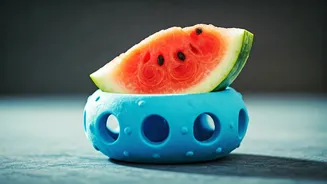
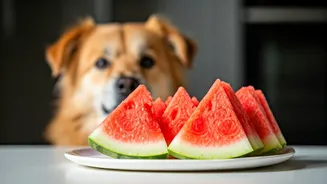
While the pink flesh of a watermelon is perfectly safe, there are two parts you must always remove before sharing it with your pet. The black seeds can cause an intestinal blockage, which can be a serious and painful medical emergency, particularly for smaller dogs. While a few accidentally swallowed seeds may not cause harm, it's best to eliminate the risk entirely by opting for a seedless watermelon or meticulously removing every seed. The green rind is also a major hazard. It is very difficult for pets to digest and can lead to gastrointestinal upset or blockages. It also presents a choking hazard, as dogs may be tempted to gulp down large, hard pieces.
A Treat, Not a Meal
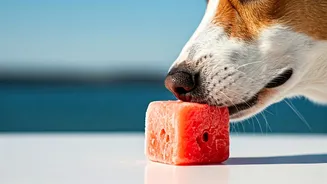
Moderation is key. Watermelon contains natural sugar, and while it’s not as concentrated as in many other fruits, too much can lead to an upset stomach, diarrhoea, or contribute to weight gain over time. For pets with diabetes, it's best to consult your veterinarian before offering any sugary treats. As a general rule, treats like watermelon should not make up more than 10% of your pet's daily caloric intake. For a medium-sized dog, a few one-inch cubes are a sufficient serving. For smaller dogs or cats, a couple of tiny pieces will do.
How to Prepare the Perfect Frozen Treat
Making this refreshing snack for your pet is incredibly simple. 1. **Choose a seedless watermelon** to save yourself the trouble of de-seeding. 2. **Wash the outside** of the watermelon before cutting into it to prevent transferring bacteria to the flesh. 3. **Slice the fruit and remove the rind** completely. Ensure no green or white parts of the rind remain. 4. **Cut the pink flesh** into small, bite-sized cubes appropriate for your pet's size. 5. **Spread the cubes** in a single layer on a baking sheet lined with parchment paper and place it in the freezer. 6. **Once frozen**, transfer the cubes to an airtight container and store them in the freezer for a quick, cooling treat on demand.
What About Cats and Other Pets?
While dogs are the most common fans of watermelon, the fruit is non-toxic to cats as well. However, as obligate carnivores, most felines lack the taste receptors for sweetness and may show little to no interest in it. You can certainly offer a tiny, seedless piece to your cat to see if they enjoy the texture and moisture, but don’t be surprised if they simply sniff it and walk away. The same safety rules apply: no seeds and no rind. For other small pets, it's crucial to check with a veterinarian, as their digestive systems are very different.