

The Dangers of 'Too Much Love'
The most common reason for an unhappy houseplant is often overwatering. When soil is constantly wet, roots can't access the oxygen they need to function. This essentially suffocates the plant, leading to root rot and preventing the uptake of vital nutrients.
The signs can be confusingly similar to a thirsty plant: wilting and yellowing leaves. However, if the leaves are limp and the soil is damp, you're likely giving it too much water, not too little. Other telltale signs include mould on the soil's surface, a rotten smell from the base, or even tiny fungus gnats flying around.
Check the Soil First
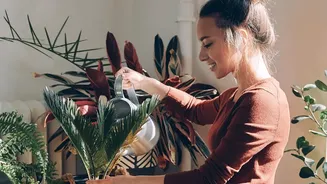
Before you even think about reaching for the watering can, get to know your plant's soil. The most reliable method is the finger test: simply poke your finger about an inch or two into the soil. If it feels dry at that depth, it's probably time to water. If it's still moist, hold off. Different plants have different needs; a tropical fern will want to stay more consistently moist than a succulent or a snake plant, which prefer to dry out completely between waterings. Learning to read the soil instead of watering on a rigid schedule is the first step towards becoming a more intuitive plant parent.
Let There Be (the Right) Light
Light is a plant's food source, powering the process of photosynthesis. Without the correct amount of light, a plant simply cannot create the energy it needs to grow. It's crucial to match your plant to the light conditions in your home. 'Bright, indirect light' is the sweet spot for many popular houseplants like money plants and monsteras, meaning a spot near a window but out of the harsh, direct sun. Low-light plants like the ZZ plant can tolerate darker corners, while succulents and cacti crave several hours of direct sun. A plant reaching towards a window with long, leggy stems is a clear sign it's desperate for more light.
It’s More Than Just Dirt
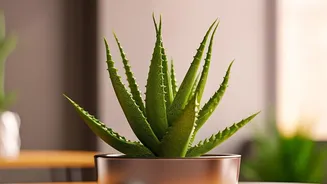
The right soil does more than just hold a plant in place. A good potting mix provides a balance of aeration, structure, and moisture retention. Most houseplants will be happy in a standard indoor potting mix, but some need special conditions. Cacti and succulents, for instance, need a gritty, fast-draining mix to prevent their roots from sitting in water. Conversely, many tropicals prefer a chunkier mix with orchid bark that holds humidity while still allowing for good airflow. Over time, soil can become compacted, so ensuring your pot has proper drainage holes is non-negotiable to let excess water escape.
Food for Thought: Fertiliser Facts
Water is a drink, but fertiliser is the food. During the active growing season, typically spring and summer, houseplants benefit from regular feeding to replenish the nutrients in their soil. For most plants, a balanced, water-soluble fertiliser applied every 2-4 weeks at half-strength is a good rule of thumb. It’s important not to fertilise in the winter when most plants are dormant, as their growth slows down and they can't use the extra nutrients. Over-fertilising can burn the roots, so it's always better to err on the side of caution and feed less rather than more.
Beyond the Basics: Humidity and Pests
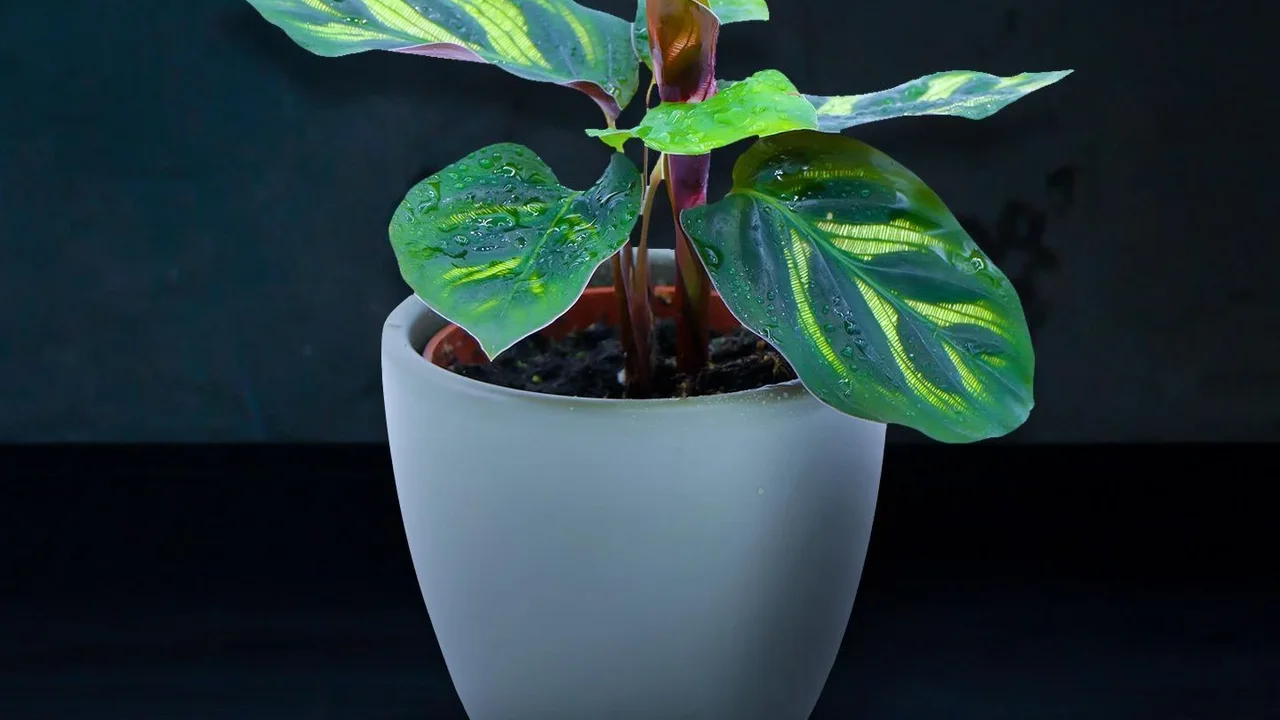
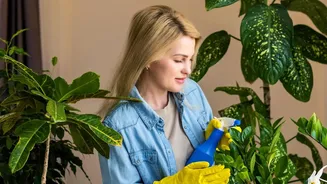
Many of our favourite houseplants, like calatheas and ferns, come from humid, tropical environments. Our air-conditioned homes are often too dry for them. You can boost humidity by grouping plants together, placing them on a pebble tray with water, or using a small humidifier. Finally, pay attention by regularly inspecting your plants' leaves, top and bottom. This allows you to catch common pests like mealybugs or spider mites early, before they become a major infestation. A simple wipe-down with a damp cloth can often solve the problem if caught quickly.