




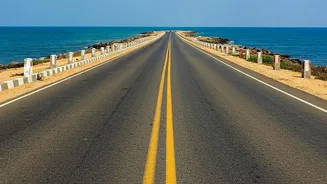


The Pull of the Open Road
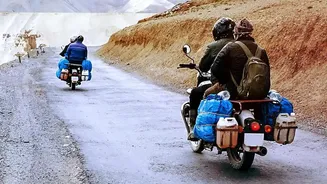
There's a fundamental change in how Indians are choosing to explore their own country. The classic family road trip, once a matter of necessity, is now a preferred mode of leisure. This shift is driven by a desire for flexibility, spontaneity, and the freedom
to explore destinations that lie beyond the airport terminal. Travellers are increasingly seeking immersive cultural experiences, from unscheduled stops at roadside dhabas to discovering hidden gems in rural landscapes. This trend is especially pronounced among younger travellers and families who favour quick weekend getaways and the ability to travel in groups. The preference for shorter, more frequent trips makes driving a more practical and appealing option than the structured, often stressful, process of air travel.
The Expressway Effect
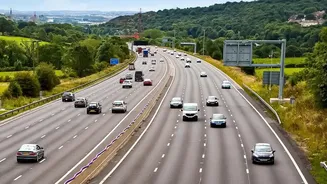
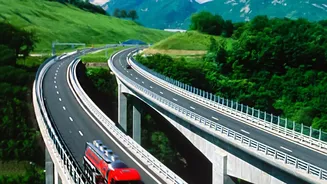
This move towards road travel is being directly enabled by a massive infrastructure overhaul. India's national highway network has expanded significantly, growing from 91,287 kilometres in 2014 to over 146,560 kilometres. This includes thousands of kilometres of new, access-controlled expressways that have dramatically reduced travel times between major cities. For instance, the Delhi-Dehradun expressway has slashed a seven-hour journey to just 2.5 hours, making weekend trips to the Himalayan foothills far more feasible. This enhanced connectivity is not just making travel faster but also safer and more reliable, encouraging more people to consider their car as the primary option for intercity journeys. The government's continued investment, with plans to significantly expand the high-speed road network further, signals that this trend is set to accelerate.
The Changing Economics of Travel
While air travel remains a popular choice, the headline numbers can be deceiving. Domestic air traffic is growing, but often at a modest single-digit pace, and has even seen monthly declines. For a family or a small group, the total cost of flying—including tickets, expensive airport transfers, and excess baggage fees—can quickly add up. In contrast, a road trip allows for shared costs and eliminates the need for last-mile connectivity expenses. This value proposition is a significant factor for many middle-class families. Evidence of this growing road traffic is clearly visible in toll collection data. Toll revenues through FASTag have surged, reaching over ₹82,900 crore in the 2026 fiscal year, a 14% increase from the previous year, reflecting a substantial rise in highway usage. With nearly 98% of all toll transactions now electronic, this data provides a clear indicator of the millions of additional vehicles hitting the highways.
The Undeniable Rise of the SUV
The boom in road travel is perfectly mirrored by a boom in the sales of Sport Utility Vehicles (SUVs). These vehicles now account for over 67% of all passenger vehicle sales in India, up from just 17% a decade ago. Automakers have successfully marketed SUVs as the ideal vehicle for the modern Indian family: spacious, safe, and capable of handling the country's diverse and sometimes challenging road conditions. The demand for larger 6- and 7-seater vehicles is also on the rise, indicating a preference for group and family travel. The growing presence of SUVs, particularly in Tier-2 and Tier-3 cities, is both a cause and an effect of the road trip culture, providing the means and the motivation for more people to explore the country by road.