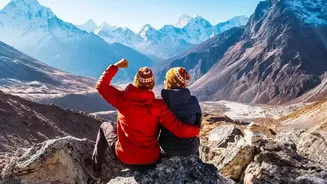


The Siren Call of a Snowy Paradise
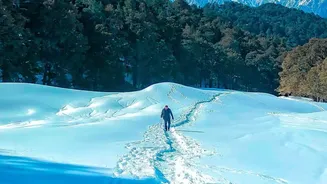
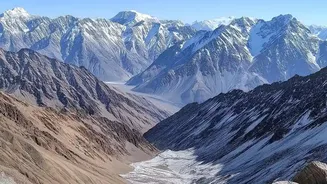
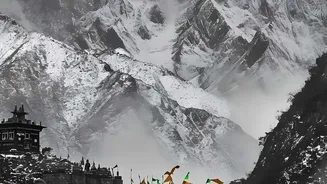
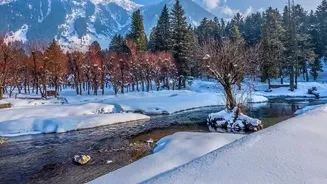
There is nothing quite like the Indian Himalayas in winter. The usual trekking crowds have thinned, popular towns like Manali and Shimla are draped in a pristine blanket of white, and the air is crisp and still. For photographers, adventurers, and those
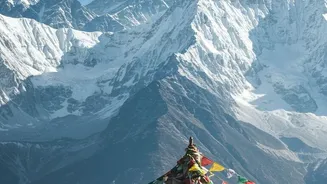
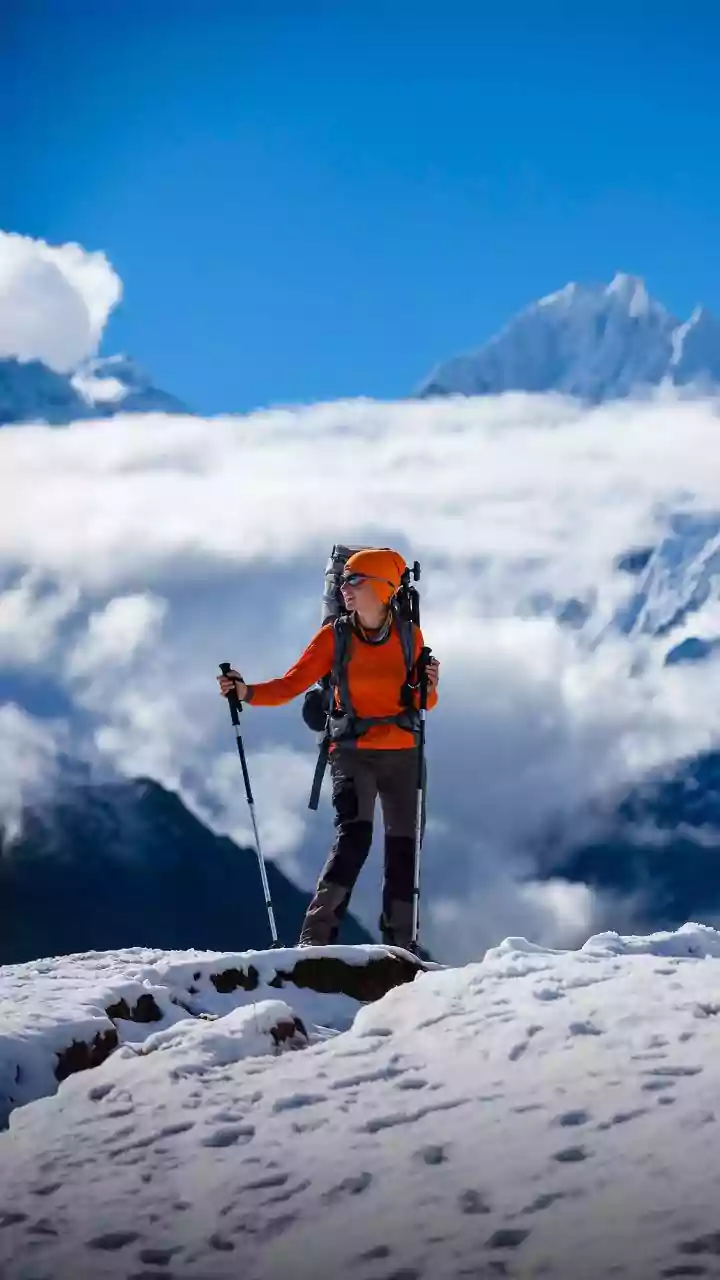
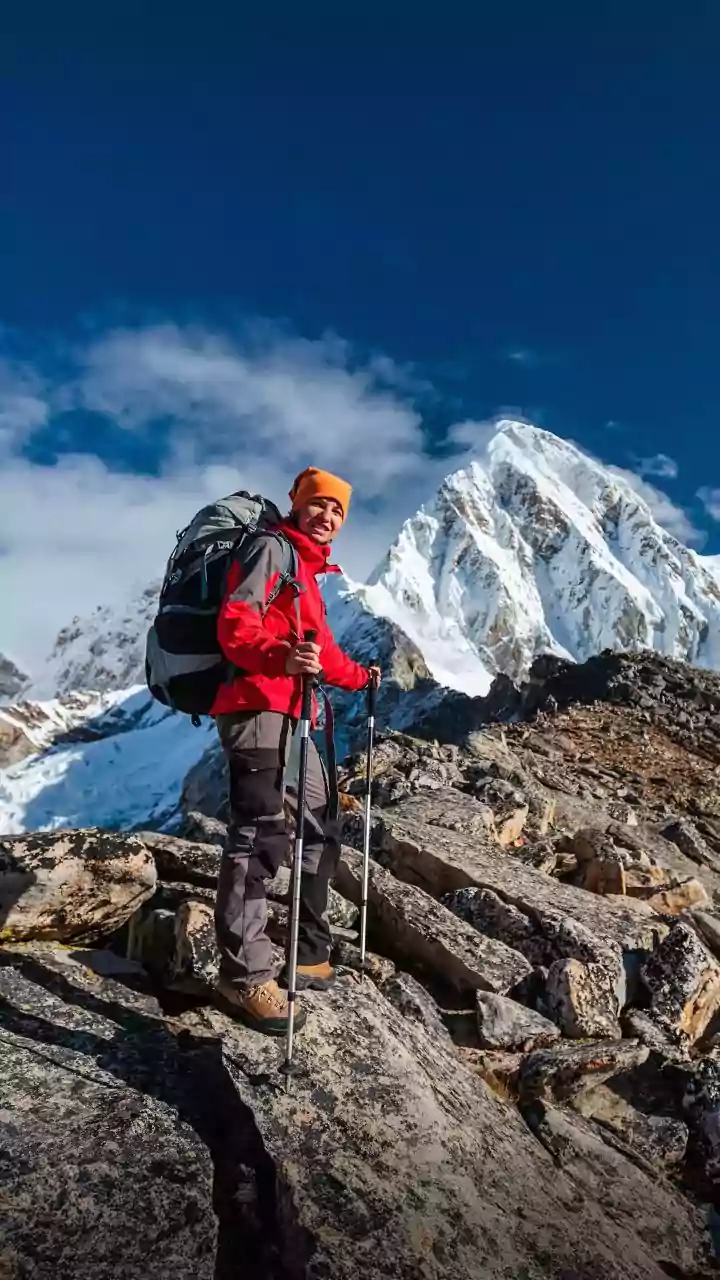
seeking solitude, it’s an irresistible call. The promise of frozen lakes, snow-laden deodar forests, and dramatic, clear views of majestic peaks like Nanda Devi or Kanchenjunga makes it a bucket-list experience. However, this serene landscape is shaped by one of the world's most formidable and volatile weather systems. What looks like a perfect, sunny morning can turn into a life-threatening situation within hours. This is why the difference between a magical trip and a potential disaster often lies in the quality of your weather information.
When Standard Weather Apps Fail
In our hyper-connected world, we instinctively turn to our smartphones for weather forecasts. While these apps are reliable for city life, they are dangerously inadequate in the high-altitude, complex terrain of the Himalayas. Most popular weather apps use global forecast models with wide grid cells, sometimes covering several square kilometres in a single data point. This system averages out the conditions, completely missing the microclimates of individual valleys, passes, and slopes. A forecast for a general region cannot tell you about the specific wind tunnel effect in a narrow gorge or the sudden temperature drop on a high-altitude pass. The mountains create their own weather, a fact that automated models simply cannot capture with the precision required for your safety.
The Power of Western Disturbances
Winter weather in the northern Himalayas is dominated by a phenomenon known as Western Disturbances. These are extra-tropical storms originating in the Mediterranean region that sweep across, gathering moisture and dumping it as heavy snowfall upon encountering the Himalayan range. While crucial for the region's water supply and rabi crops, these disturbances are notoriously unpredictable in their intensity and timing. A strong Western Disturbance can trigger a blizzard, block roads for days or even weeks, and dramatically increase avalanche risk. Climate change has further complicated these patterns, leading to more erratic and intense snowfall events, making real-time, localised information more critical than ever.
The Critical Risks of an Uninformed Journey
Ignoring local weather advice can have severe consequences. Sudden, heavy snowfall frequently leads to the closure of key arteries like the Rohtang Pass or Zoji La, leaving vehicles and travellers stranded for extended periods in freezing conditions. High-altitude areas like Spiti and Zanskar become almost completely inaccessible, with temperatures plummeting to -30°C. The most severe danger is avalanches. Warmer winter temperatures and erratic snowfall have increased the frequency of wet snow avalanches in recent years. Local authorities and guides are acutely aware of which slopes are loaded with fresh, unstable snow and which routes are unsafe. This is life-saving information that a generic forecast will never provide.
Your Best Source: Hyper-Local Knowledge
So, where do you get reliable information? The answer is on the ground. Your first and most important resource should be your local guide, tour operator, or hotelier. These individuals live and breathe the mountain environment. They understand the nuances of the weather from years of observation and are connected to a network of information from villages up and down the valley. The Indian Meteorological Department (IMD) also provides specific mountain weather bulletins, which are far more detailed than commercial app forecasts. Before and during your trip, make it a habit to check in with local contacts. Ask about road conditions, listen to warnings, and never underestimate their advice. If a driver says a road is unsafe or a guide suggests changing an itinerary, they are doing so for your safety.