






The Monsoon Marvel
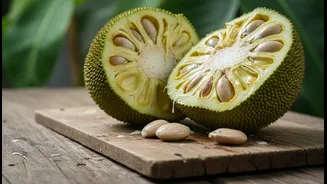
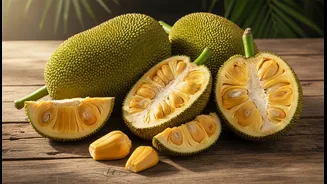
Known as ‘vegetarian meat’ for its unique, fibrous texture, raw jackfruit (kathal) is a culinary gem that shines brightest during this season. While the ripe fruit is sweet, the unripe, green version has a neutral taste that brilliantly absorbs the flavours
of spices, making it incredibly versatile. Its firm, meaty bite makes it a satisfying substitute in dishes traditionally made with mutton or chicken, and it is a celebrated ingredient in many regional Indian cuisines, from coastal Karnataka to Bengal. Available before and during the early monsoon, its arrival in local markets signals a shift towards heartier, warming meals perfect for rainy days.
A Boost of Wellness
Beyond its taste and texture, kathal is a nutritional powerhouse, offering benefits that are especially welcome during the monsoon when immunity can be a concern. It is packed with Vitamin C, a key nutrient for strengthening the body's defenses against infections. Its high dietary fibre content aids digestion and supports a healthy gut, which is crucial during a season known for digestive issues. Furthermore, kathal is a good source of essential minerals like potassium and magnesium, which help regulate blood pressure and support bone health, respectively. Being low in calories but high in fibre, it keeps you feeling full for longer, making it a great addition to a balanced diet.
Preparing Your Prize
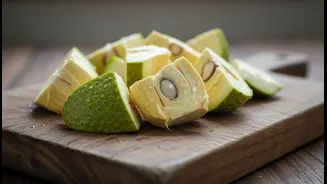
The one hurdle that often intimidates home cooks is preparing a fresh kathal. The fruit secretes a sticky white sap, or latex, that can be messy. However, with a few simple tricks, the process becomes manageable. Before you begin, generously apply mustard or any cooking oil to your hands, the knife, and the cutting board to prevent the sap from sticking. It's also wise to lay down newspaper to protect your work surface. Start by cutting the kathal into large, manageable rings or quarters. Then, carefully slice off the spiky green outer skin and the hard inner core. Once peeled, chop the fibrous flesh into cubes and immediately place them in a bowl of salted water to prevent them from discolouring.
From Curries to Kebabs
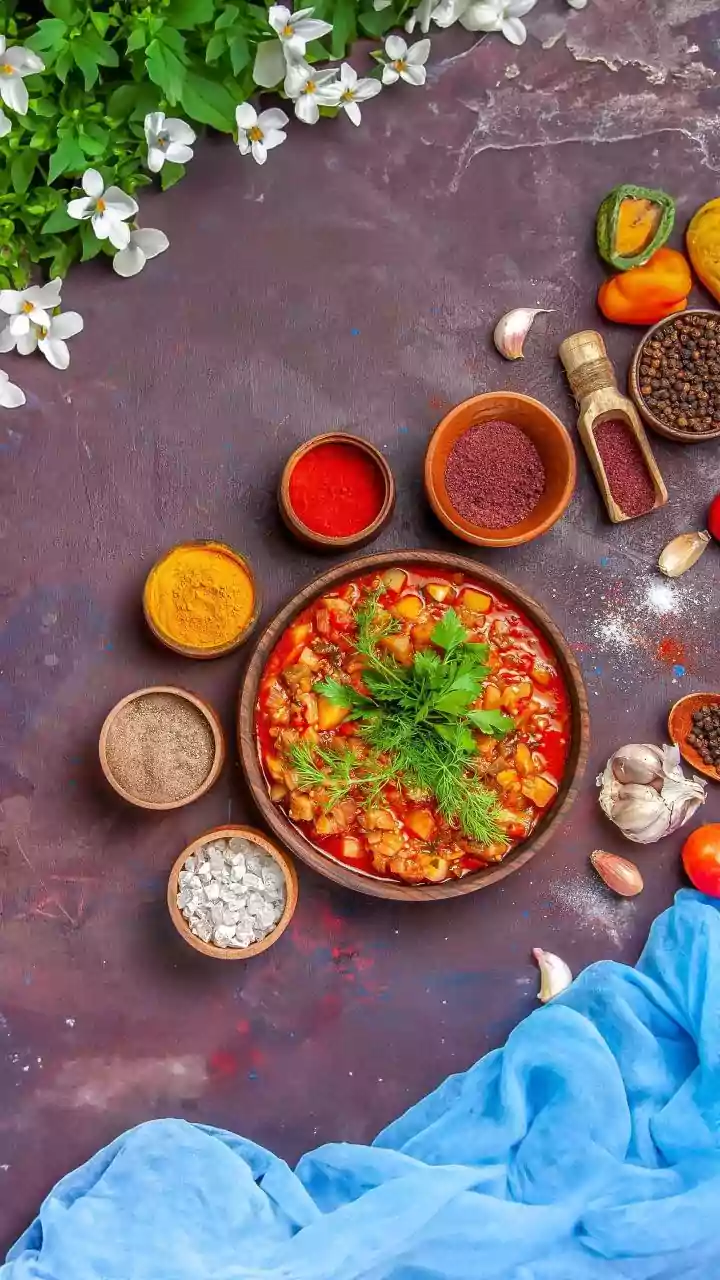
Once prepped, kathal becomes a blank canvas for a world of flavours. Its ability to soak up spices makes it perfect for a wide range of dishes across India. The most popular preparation is a classic Kathal ki Sabzi, a robust North Indian curry where the jackfruit is often fried before being simmered in a rich tomato and spice-based gravy. For a taste of royalty, try Kathal Biryani, where tender chunks of jackfruit are marinated and layered with fragrant basmati rice in a dum-style preparation that rivals its non-vegetarian counterpart. In Bengal, Echorer Dalna is a celebrated dish, while in the south, you might find it in dry preparations like a sukka or added to lentil curries. Don't hesitate to experiment with modern takes either — kathal makes for excellent kebabs, crispy cutlets, and even a filling for tacos.
A Note on Cooking
To get the best texture, many traditional recipes recommend frying the jackfruit pieces until they are golden brown before adding them to a curry. This step helps the pieces hold their shape and provides a more satisfying bite. If you're short on time or prefer a healthier option, you can also boil or pressure cook the jackfruit chunks with a bit of salt and turmeric until they are tender. Marinating the boiled or fried kathal in a mixture of yogurt and spices for at least 30 minutes can also infuse it with deeper flavour before it goes into the final dish. No matter how you cook it, this versatile vegetable is sure to impress.