







Why Your Fruit Choices Matter in Humid Weather
In many parts of the U.S., summer brings not just heat but also intense humidity and rain, creating an environment that can feel like a monsoon. This type of weather affects both our bodies and our food. High humidity can slow down our digestion, making
us feel bloated and heavy. It's also the perfect breeding ground for bacteria and mold, increasing the risk of foodborne illnesses, especially with fruits that have high water content and thin skins. Choosing the right fruits can help boost your immunity, aid digestion, and keep you feeling light and energized, while making poor choices can lead to digestive distress and other health issues.
Best Choice: Apples
An apple a day keeps the doctor away, and this holds especially true during damp, humid seasons. Apples are packed with pectin, a type of soluble fiber that promotes healthy digestion and helps prevent water retention and bloating—common complaints when the air is thick with moisture. They are also rich in antioxidants and flavonoids, which support a strong immune system. Because of their thick skin and lower water content compared to other fruits, they are less prone to spoilage and contamination. Opt for crisp, fresh apples as a reliable and cleansing snack.
Best Choice: Pears
Similar to apples, pears are another fantastic choice for this season. They are a great source of both soluble and insoluble fiber, which helps regulate the digestive system and prevent constipation. Pears are also hydrating without being overly watery, striking a good balance for a sluggish gut. Their rich supply of vitamins C and K, along with copper, helps fight inflammation and bolster your body's defenses against seasonal bugs. Their sturdy nature makes them a safe bet against the rapid spoilage that affects more delicate fruits.
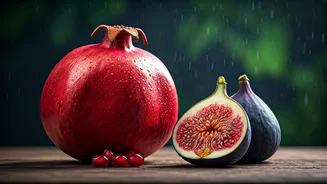
Best Choice: Pomegranates
Pomegranates are a powerhouse of nutrients that are particularly beneficial during periods of high humidity. The ruby-red seeds, or arils, are loaded with powerful antioxidants like punicalagins and anthocyanins, which have potent anti-inflammatory properties and help strengthen the immune system. They can help reduce bodily inflammation that can be exacerbated by humid weather. Pomegranates are also known to support gut health by promoting the growth of beneficial bacteria. Their tough outer rind protects the delicate seeds inside, ensuring they remain fresh and safe to eat.
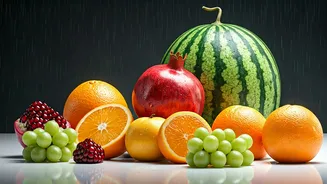
Fruit to Approach with Caution: Watermelon
While watermelon is a quintessential summer treat, its extremely high water content can be problematic during humid seasons. From a digestive standpoint, consuming too much of this watery fruit can sometimes dilute digestive juices, leading to bloating and discomfort, especially if your system is already feeling slow. Furthermore, because it's often sold pre-cut, the risk of bacterial contamination increases significantly in humid conditions. If you do indulge, opt for a whole melon that you cut yourself right before eating, and consume it in moderation.
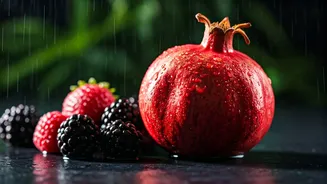
Fruit to Approach with Caution: Berries
Strawberries, raspberries, and other soft berries are delicious but delicate. Their thin skins and high moisture content make them highly susceptible to mold and spoilage, a process that accelerates dramatically in warm, damp environments. They can easily absorb contaminants from water and soil, which can lead to stomach infections if not washed with extreme care. While packed with antioxidants, it’s best to consume them immediately after purchase from a trusted source, inspect them carefully for any signs of mold, and consider opting for hardier fruits during the peak of the humid season.
Fruit to Approach with Caution: Muskmelon and Cantaloupe
Like their cousin, the watermelon, cantaloupes and other muskmelons have a high water content that can contribute to bloating. More importantly, their rough, netted skin is notorious for trapping bacteria like Salmonella and Listeria. When you cut into the melon, the knife can transfer bacteria from the rind to the flesh. This risk is amplified in the humid, bacteria-friendly conditions of a rainy season. If you choose to eat them, scrub the rind thoroughly with a vegetable brush under running water before cutting, and consume the fruit immediately.