






The Green Wave in the Office
The once-unquestioned reign of coffee as the king of workplace productivity is facing a serious challenge. A new trend is emerging in corporate hubs and coworking spaces, where the vibrant green hue of matcha is becoming an increasingly common sight during
the afternoon slump. This shift is more than just a change in beverage choice; it reflects a broader evolution in workplace wellness culture. In India and globally, companies and employees are placing a greater emphasis on sustainable performance, mental well-being, and mindful consumption. The move away from the high-octane, jittery energy of coffee towards matcha’s smoother, more sustained lift is a tangible sign of this change. Professionals report switching to avoid the notorious coffee crash and embrace a more balanced approach to staying productive.
The Science of a Calmer Buzz
So, what is behind matcha’s magic? The secret lies in a powerful synergistic pairing of two compounds: caffeine and L-theanine. While matcha does contain caffeine, it is the presence of L-theanine, an amino acid found almost exclusively in tea plants, that changes the game. L-theanine promotes the production of alpha brain waves, which are associated with a state of relaxed alertness—similar to that achieved during meditation. This amino acid effectively smooths out the sharp edges of caffeine, slowing its absorption into the bloodstream. The result is a state of “calm focus” that provides sustained energy for three to six hours, without the anxiety, jitters, or subsequent energy crash that often accompanies a strong cup of coffee.
Moving Beyond the Coffee Crash
For many, the daily coffee ritual is a rollercoaster. It starts with a sharp peak of energy and alertness, but is often followed by a steep drop that leaves you feeling more tired than before. This “jitter and crash” cycle can lead to a dependency where another cup is needed just to regain a baseline level of function. Coffee’s rapid caffeine delivery can also trigger feelings of anxiety and restlessness in sensitive individuals. Matcha offers a compelling off-ramp from this cycle. By providing a gentler, more prolonged energy curve, it helps maintain consistent focus and productivity throughout the afternoon. Many who have made the switch report not only better focus at work but also an easier time winding down in the evening, as matcha's balanced energy is less likely to disrupt sleep patterns.
A Ritual for Mindful Productivity
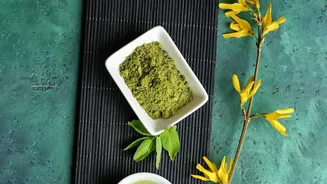
The rise of matcha is also intertwined with the growing emphasis on mindfulness in the workplace. Preparing a cup of coffee is often a rushed, automated process—pressing a button on a machine. The preparation of matcha, however, traditionally involves a small, deliberate ritual of whisking the green powder into hot water. This simple act encourages a moment of pause and intention in an otherwise hectic workday. It’s a small, two-minute break that can help reset the mind and foster a sense of calm before diving back into tasks. This ritualistic aspect aligns perfectly with the push for more sustainable work habits and mental health support, which have become strategic priorities for organisations in 2026. It transforms a simple drink break into a moment of self-care.