

The Gold Standard: Whole Millets
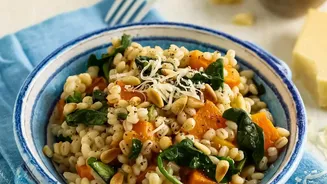
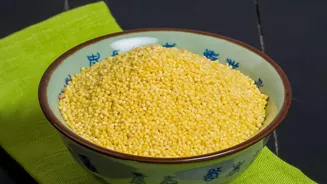
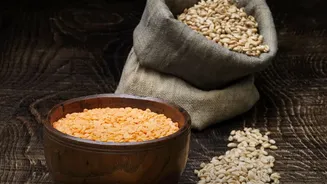
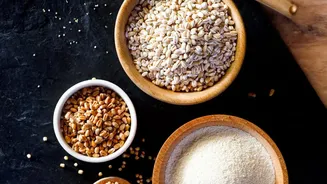
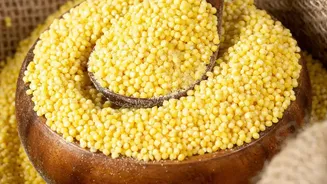
Whole millets are the least processed form, retaining the most nutrients. Think of foxtail (thinai), finger (ragi), or pearl millet (bajra) as tiny powerhouses of fibre, protein, and essential minerals like magnesium and iron. Because they are unprocessed,
they have the highest fibre content, which aids digestion, promotes satiety, and helps manage blood sugar levels due to a lower glycemic index. However, this nutritional superiority comes at the cost of convenience. Most whole millets require rinsing and sometimes soaking before cooking. The cooking process itself is simple, similar to cooking rice, but it does take time—around 20-30 minutes of simmering. Stored in an airtight container in a cool, dark place, whole millets have an excellent shelf life, lasting up to a year or more. Who are they best for? Health-conscious individuals, those managing conditions like diabetes, and anyone who enjoys the process of cooking from scratch and wants maximum nutritional benefit.
The Everyday Staple: Millet Flour
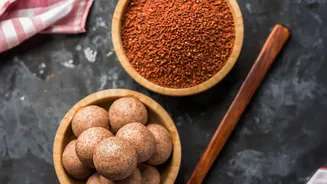
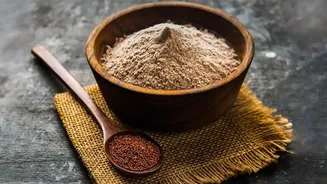
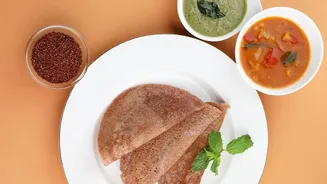
Millet flour, such as ragi or jowar atta, offers a great balance of health and convenience. It allows you to easily incorporate millets into daily meals like rotis, dosas, pancakes, and baked goods. This makes it a very practical choice for Indian kitchens. While still highly nutritious, the milling process can reduce some of the fibre content compared to the whole grain. However, they remain a fantastic source of minerals; ragi flour is famously rich in calcium, and bajra flour is an iron powerhouse. The biggest drawback of millet flour is its shorter shelf life. The natural oils in millets can turn rancid once ground, giving the flour a bitter taste. It is best to buy millet flour in small quantities and store it in the refrigerator or freezer to prolong its freshness, where it can last from a few months up to a year.
The Quick Fix: Ready-to-Cook (RTC) Mixes
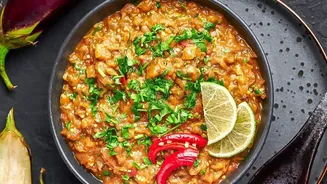
For those with a packed schedule, ready-to-cook (RTC) millet mixes for dishes like upma, khichdi, or dosa seem like a lifesaver. They offer ultimate convenience, cutting down preparation time significantly. However, this convenience can come with nutritional trade-offs. It is crucial to read the label carefully. Many RTC products can be high in sodium, preservatives, and other additives to extend shelf life and enhance flavour. Some brands, however, focus on clean labels, using natural ingredients and even sprouted millets, which can enhance nutrient absorption. These higher-quality mixes can be a genuinely healthy and convenient option. While they are the most expensive option per serving, they are an excellent gateway for beginners who might be intimidated by cooking millets from scratch.
Making the Right Choice for Your Kitchen
The 'best' form of millet truly depends on your lifestyle and priorities. For maximum nutrition and if you have time: Choose whole millets. They offer the most fibre and nutrients, giving you the full spectrum of health benefits. For daily convenience and versatility: Millet flour is your answer. It integrates seamlessly into everyday cooking, making it easy to whip up healthy rotis, cheelas, or dosas. For the busiest days or as a beginner: High-quality ready-to-cook mixes are a great starting point. They take the guesswork out of cooking millets and provide a quick, nutritious meal, provided you choose a brand with a clean ingredient list. Ultimately, you don't have to choose just one. A well-stocked pantry might have whole millets for weekend pulaos, ragi flour for weekday rotis, and a trusted RTC mix for emergency dinners. The goal is to incorporate these nutritious grains into your diet in a way that is sustainable for you.