








What Exactly Are These Smart Patches?
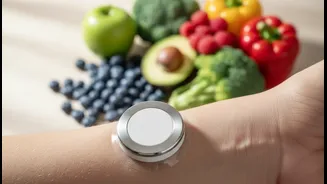
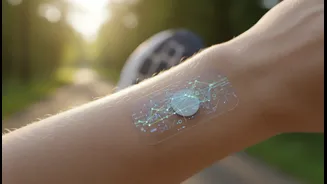
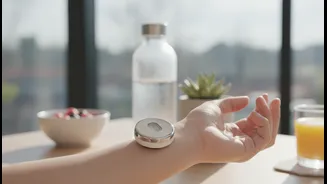
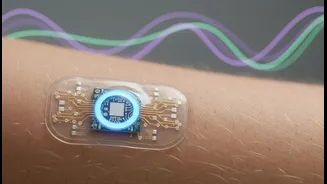
The “smart patch” gaining traction in wellness circles is technically a Continuous Glucose Monitor, or CGM. Traditionally, these have been life-changing medical devices for people with diabetes. A CGM system involves a small, wearable sensor that you
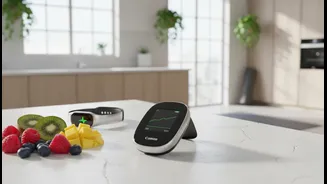
attach to your skin, often on the back of your arm or your abdomen. A tiny, flexible filament, thinner than an eyelash, painlessly sits just under the skin. Instead of pricking a finger to test blood, this sensor measures the glucose in the fluid between your cells (interstitial fluid) around the clock. It then sends this data wirelessly to an app on your smartphone, giving you a continuous stream of information about your body’s sugar trends.
Why Are Healthy People Using Them?
The leap from medical necessity to wellness tool is driven by a growing interest in personalised nutrition. Many non-diabetics are using CGMs to understand their unique metabolic response to food, exercise, stress, and sleep. The goal is to optimise health by minimising drastic sugar spikes and crashes. Seeing in real-time how a particular meal sends your glucose soaring can be a powerful motivator to make different food choices. For example, it might reveal why you feel a slump in energy mid-afternoon or which foods are secretly derailing your weight management goals. This kind of direct feedback helps people connect what they eat with how they feel, moving beyond generic dietary advice.
The Potential Benefits of Glucose Tracking
For those without diabetes, the benefits are about optimisation and prevention. Users report being able to identify specific foods that cause inflammation or energy dips. Athletes use the data to fine-tune their nutrition for peak performance, while others find it helps in managing weight by understanding hunger cues better. The real-time feedback can create a powerful, positive loop that encourages healthier behaviours. For individuals with prediabetes or those at high risk for metabolic issues, a CGM can act as an early warning system, highlighting problematic glucose patterns and motivating lifestyle changes before a condition becomes more serious.
The Cost and Criticisms in India
This technology comes at a significant cost. In India, a single sensor, which typically lasts for 14 days, can cost between ₹4,000 and ₹4,500. Some newer brands are entering the market, but it remains a considerable monthly expense, and it is generally not covered by health insurance for non-diabetic use. Beyond the price, some health experts express caution. They argue there isn't enough large-scale scientific evidence to prove long-term health benefits for the general population. There is also a risk of fostering an unhealthy obsession with data, leading to food-related anxiety or disordered eating habits. Many endocrinologists suggest that for a healthy person, regular check-ups are sufficient and that a CGM may provide more data than is necessary or helpful.
The Expert Verdict: A Tool, Not a Cure
Most experts agree that while CGMs are fascinating, they are not a magic bullet. For someone who is generally healthy, the dramatic glucose spikes and dips seen in diabetics are not the norm. Normal fluctuations after meals are expected. However, in a country like India with a high prevalence of metabolic syndrome and prediabetes, they can be a powerful educational tool. The consensus is that a CGM is most effective when used for a short period to learn about your body's responses. The data is most powerful when interpreted with the guidance of a doctor or a qualified nutritionist who can help you make sense of the trends and create a sustainable health plan, rather than causing unnecessary alarm.