







The Tale of the Tapes: A Parched July
July is supposed to be one of Bengaluru’s wettest months, a cornerstone of the southwest monsoon that replenishes its lakes and groundwater. This year, however, told a different story. While official data from the India Meteorological Department (IMD)
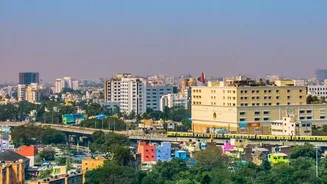
showed heavy rainfall in coastal and Malnad regions of Karnataka, Bengaluru Urban remained conspicuously dry. For residents, this wasn't just a feeling; it was a daily reality of missed showers and rising temperatures. Reports from late July confirm that while areas like Agumbe received extremely heavy rainfall, Bengaluru city registered only trace amounts. This stark local deficit, hidden within a broader regional picture of 'normal' or 'widespread' monsoon activity, is the crux of the city's water anxiety.
A Tale of Two Monsoons
The IMD, which does a commendable job of tracking the vast and complex Indian monsoon, often speaks in terms of large-scale systems. A press release from late July, for instance, mentioned "Fairly Widespread to Widespread rainfall" over Coastal Karnataka and isolated heavy falls in South Interior Karnataka. While factually correct for the region as a whole, this is cold comfort for a Bengalurean. The city's unique geography, situated on a plateau, means it doesn't always benefit from the same weather patterns that drench the coast or the Western Ghats. A national or even state-level label of a 'normal monsoon' becomes meaningless when the city's own catchment areas remain dry and its reservoirs are not being replenished at the required rate.
The City Feels the Pinch
This lack of localized rain has immediate, tangible consequences. By late July, Bengaluru's water officials were already sounding a cautious alarm. The Bangalore Water Supply and Sewerage Board (BWSSB) noted that the city's water reserves in key reservoirs like Krishna Raja Sagar (KRS) were sufficient for only the next few months, contingent on future rainfall. On July 30, the BWSSB Chairperson warned that Bengaluru could face a drinking water shortage in five to six months if the region didn't receive adequate rain. Demand for water tankers, a reliable indicator of water stress, had already been climbing through the preceding dry summer months. This puts immense pressure on a city that already pumps its primary water source, the Cauvery river, from over 100 kilometers away.
Local Problems Need Local Labels
This is why the blanket 'monsoon' label is not just inaccurate for the city's experience, but potentially unhelpful. For urban planners, water management bodies, and citizens, the only metric that truly matters is the rainfall that fills local lakes and the reservoirs that supply the city. Over-reliance on generalized forecasts can create a false sense of security. The reality of modern mega-cities like Bengaluru, with their urban heat islands and dependence on specific, distant water sources, requires a more granular approach. We need city-specific rainfall alerts and water-level statuses to be the primary narrative, not an afterthought to a national weather bulletin. When a city of 15 million people is staring at a potential water crisis, it's the local data that empowers them to conserve water and hold authorities accountable, not a broad declaration that the monsoon has arrived elsewhere.