


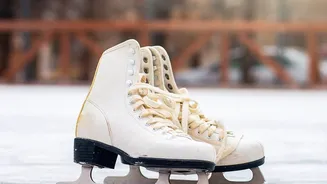
The Need for Speed: The Thrill of Skating
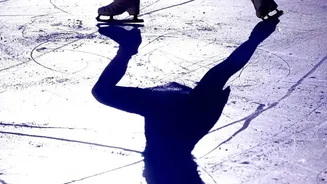
Roller skating is an exhilarating, high-energy activity that delivers a powerful cardiovascular workout. Gliding on wheels strengthens the heart, improves circulation, and can burn up to 600 calories an hour, making it a fantastic way to manage weight.
This full-body exercise intensely engages the leg muscles, glutes, and core, all of which work constantly to maintain balance and propel you forward. Beyond the physical burn, skating offers a significant mental boost. The activity releases endorphins, the body's 'feel-good' hormones, which can reduce stress and elevate your mood. This rush, combined with the feeling of freedom and the confidence gained from mastering a skill, makes skating a joyful and rewarding form of exercise. Furthermore, while it's a high-intensity workout, skating is relatively low-impact, putting less stress on the joints than activities like running.
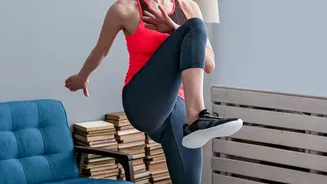
The Wisdom of Slowness: The Art of Tai Chi
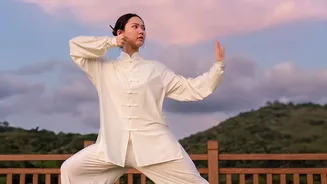
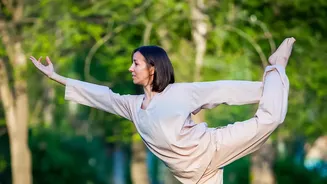
Often described as 'meditation in motion', Tai Chi is an ancient Chinese martial art that uses gentle, flowing movements to connect mind and body. Its power lies in its slowness. This low-impact practice is accessible to people of nearly any age or fitness level, yet it delivers profound health benefits. Studies show that regular practice can improve flexibility, muscle strength, and significantly reduce the risk of falls, particularly in older adults. Mentally, Tai Chi is a powerful tool for stress reduction. The focus on deep breathing and precise, controlled actions calms the nervous system, lowers anxiety, and promotes a state of mindfulness that can interrupt the flow of daily worries. It has been shown to improve sleep quality, sharpen memory, and contribute to overall psychological well-being.
Two Paths to Superior Balance
Both skating and Tai Chi are exceptional for improving balance, but they achieve it in different ways. Skating develops 'dynamic balance'—the ability to stay stable while in motion. It forces your core and stabilizer muscles to make constant, rapid adjustments to a changing surface. This sharpens reflexes and coordination. Tai Chi, on the other hand, cultivates proprioception, which is your internal sense of where your body is in space. The slow, deliberate shifts in weight and posture train your brain to be acutely aware of your center of gravity. Research has shown that long-term Tai Chi practitioners have superior joint position sense and control compared to sedentary individuals. While skating trains your body to react to instability, Tai Chi trains it to create stability from within.
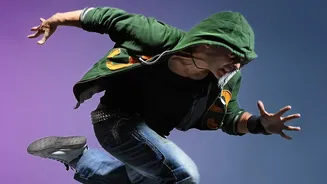
Fast Twitch vs. Slow and Steady
The different speeds of these activities also train your muscles differently. The fast, powerful movements in skating help develop fast-twitch muscle fibers, which are used for explosive actions. This is essential for building strength and power. Slower, endurance-based activities primarily use slow-twitch muscle fibers, which are key for stamina. However, the benefits are not always so clear-cut. Research indicates that both high-intensity and low-intensity exercises are effective for improving mood and reducing anxiety, with some studies suggesting lower-intensity sessions can be particularly helpful for managing anxiety symptoms. While faster workouts burn more calories per minute, slower workouts can be more sustainable and easier to start for those with low motivation or recovering from injury. Ultimately, both high- and low-intensity exercises trigger the release of mood-regulating neurotransmitters like dopamine and serotonin.