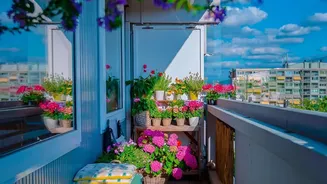



The Rise of the Balcony Garden
What started as a niche hobby has blossomed into a full-blown trend. For many young urbanites, gardening is an antidote to the stresses of city life and a way to reclaim control over what they eat. Concerns about pesticides, a desire for better-tasting
ingredients, and the simple joy of nurturing a plant have converged, making the 'plant parent' identity a proud badge. Social media communities and easy online access to supplies have also made it easier than ever to start. Beyond the practical benefits of having fresh herbs on hand, tending to plants offers a daily dose of mindfulness and a tangible sense of accomplishment that is often missing from a digital-first world.
Your Balcony Starter Kit
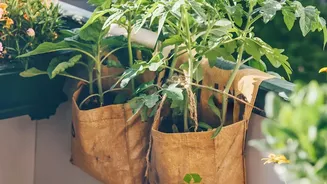
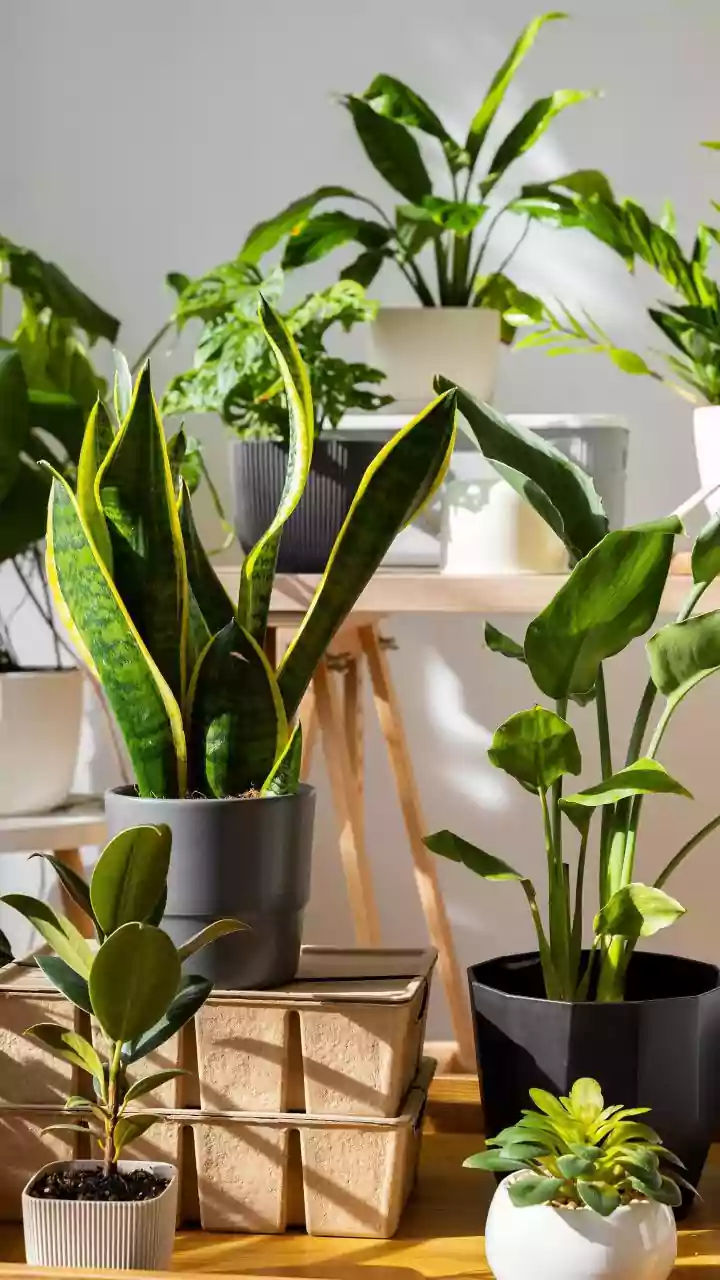
Starting your own herb garden is simpler than you might think. You don't need a huge space or expensive tools. The first step is to observe your balcony's sunlight. Most herbs need at least four to six hours of sun. You will need a few basic pots with drainage holes, which are crucial to prevent water from stagnating and rotting the roots. You can even use recycled containers like old buckets or plastic bottles to start on a budget. For soil, a universal, well-draining potting mix is your best bet. Avoid overcrowding plants in one pot, as this can hinder their growth.
Growing Glorious Basil
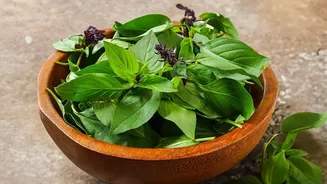
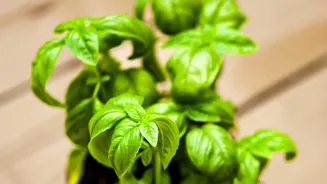
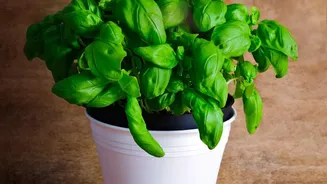
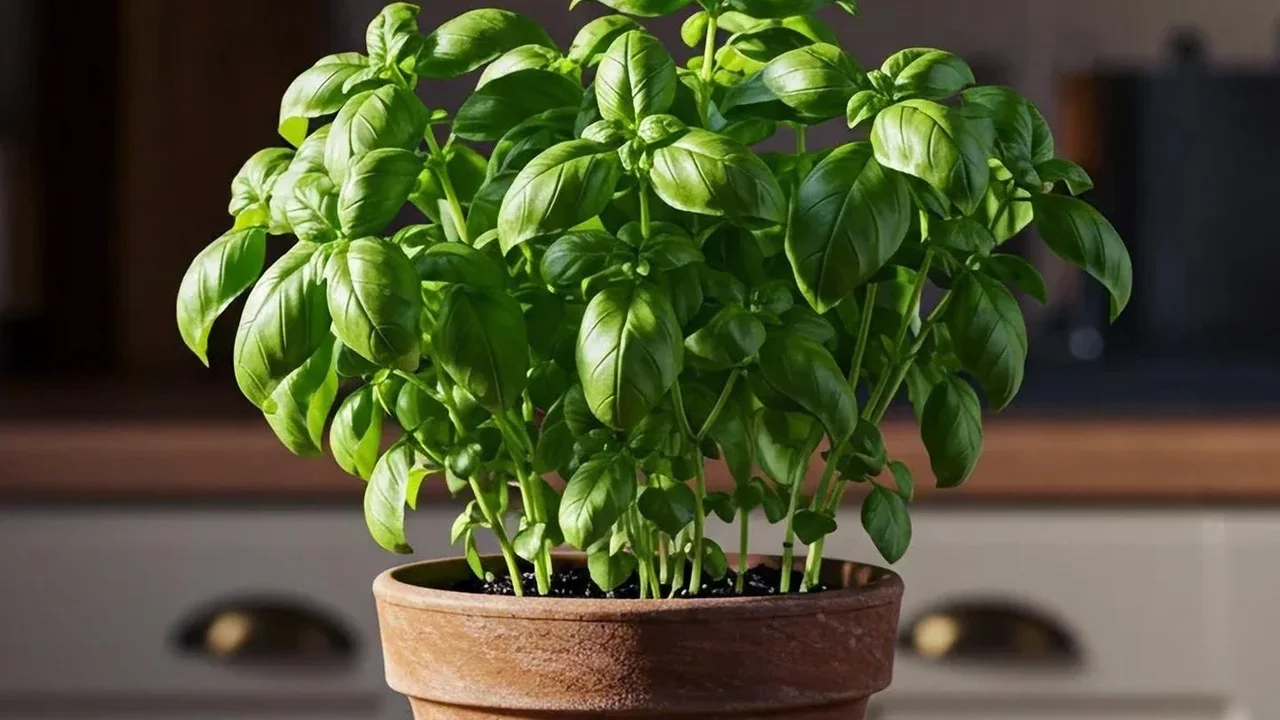
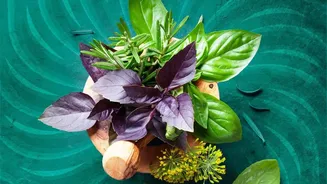
Basil, including the common Holy Basil (Tulsi), is a staple in many Indian homes and surprisingly easy to grow in pots. It loves warmth and sunlight but can be sensitive to direct, scorching afternoon sun. The key is to keep the soil consistently moist but never waterlogged. A good rule is to stick your finger about an inch into the soil; if it feels dry, it's time to water. When you harvest, pinch off the top sets of leaves. This encourages the plant to become bushier and produce more leaves, giving you a continuous supply for your teas, curries, and chutneys.
Mastering Mint (Pudina)
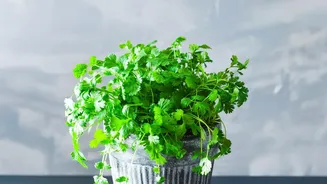
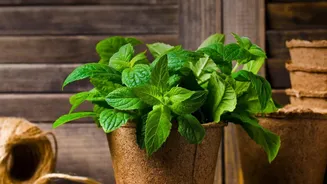
Mint, or Pudina, is one of the most rewarding herbs for beginners because it grows so quickly. In fact, it spreads so aggressively that keeping it in its own pot is highly recommended to prevent it from taking over other plants. Mint is not as fussy about sunlight as other herbs and can do well with partial sun. It prefers soil that is kept slightly moist. The best part about mint is that you can easily propagate new plants from cuttings. A single sprig placed in water or soil can root within a week, giving you an endless supply for raita, chutneys, and refreshing summer drinks.
Cultivating Curry Leaves (Kadi Patta)
No South Indian dish feels complete without the aroma of fresh curry leaves, and growing your own is incredibly satisfying. The curry leaf plant (Kadi Patta) is a small tree that adapts well to container life, though it may need a medium-to-large pot as it grows. It thrives in warm climates and loves plenty of sunlight. Be patient, as it can take some time for a young plant to get established. It requires less water than mint or basil, so allow the soil to dry out a bit between waterings. Regular pruning will encourage new, fragrant leaves perfect for tempering dal or making podi.
Avoiding Common Mistakes
The most common mistake new gardeners make is overwatering. Always check the soil before adding more water. Another critical error is using pots without proper drainage, which leads to root rot. Also, pay attention to sunlight. A plant that needs full sun will not thrive in a shady corner. Finally, don't be afraid to harvest your herbs. Regular trimming encourages most herbs to grow back stronger and more productive, ensuring your balcony garden remains a source of fresh flavours for your kitchen.