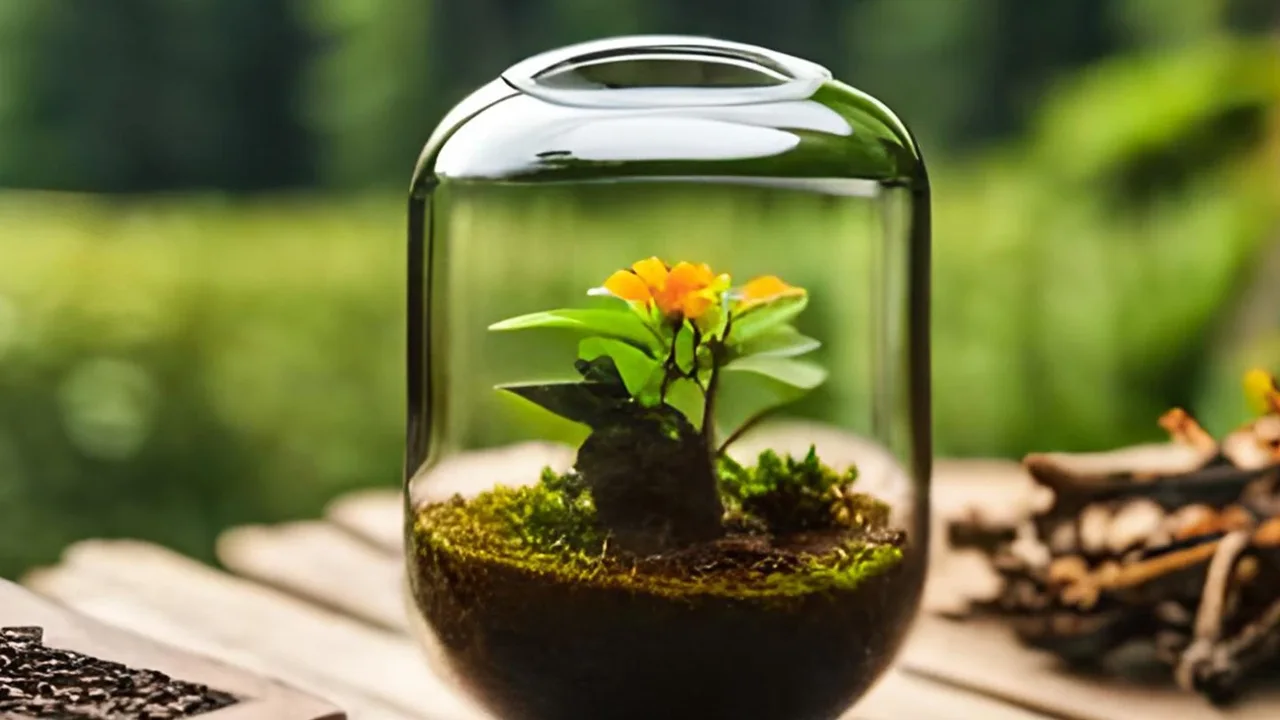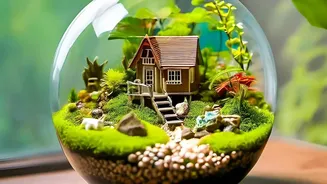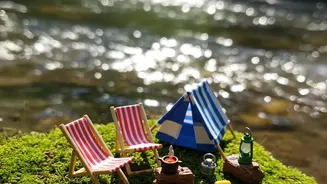

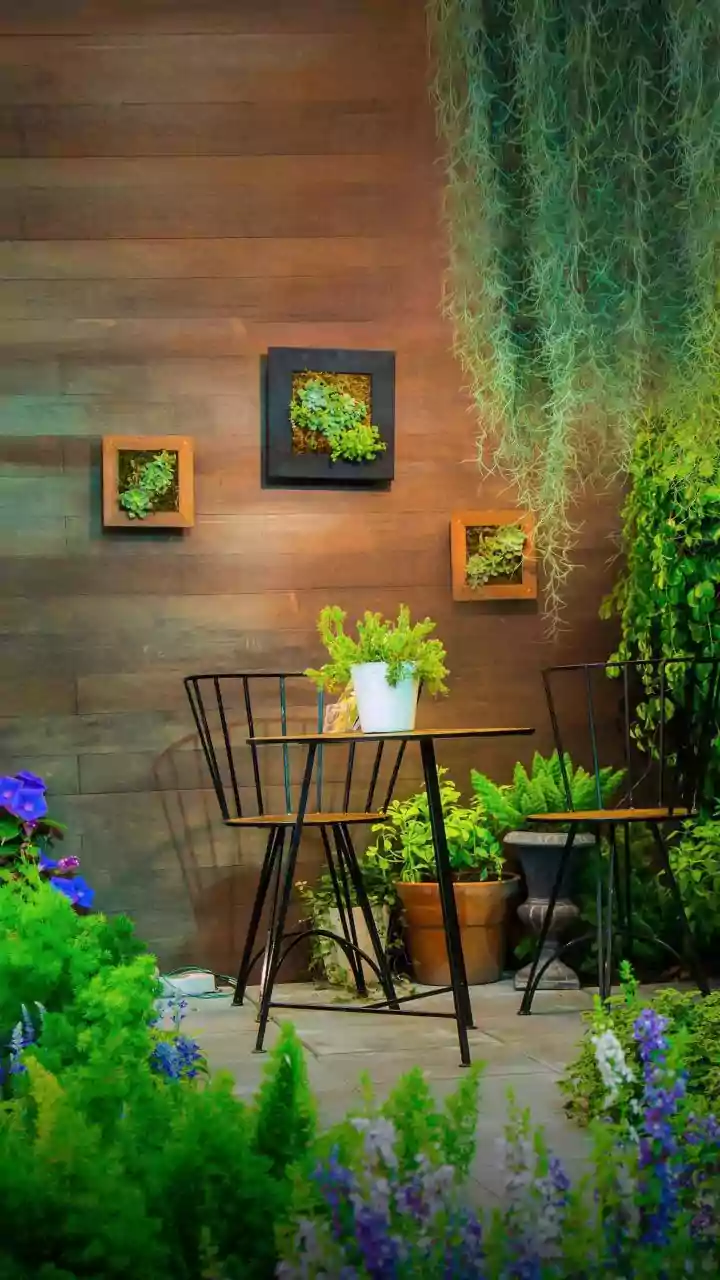

Imagine a vibrant, miniature world of green, tucked into a quiet corner of your home. A moss garden, or mossarium, offers just that—a low-maintenance, living piece of art that brings a sense of tranquility and a touch of nature indoors.
Why A Moss Garden?
Unlike many houseplants,
mosses are incredibly resilient and thrive in conditions that other plants might find challenging. They don't have roots, instead absorbing water and nutrients through their leaves, which makes them perfectly suited for contained environments like terrariums. A moss garden is a self-sustaining ecosystem in miniature. It requires very little space, making it ideal for apartments, desks, or bookshelves. The appeal lies in its simplicity and the calming effect of tending to a tiny, verdant landscape that looks like a slice of a forest floor. It’s a relaxing project that offers a beautiful, natural result with minimal fuss.
Gathering Your Materials
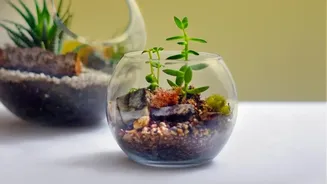
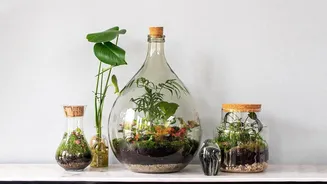
Creating a moss garden is refreshingly simple, and you only need a few key items to get started. The primary component is a clear glass container, which must have a lid to trap the humidity that moss loves. This can be anything from a jam jar to a more elaborate glass bowl. You will also need a few layers for the base. Start with a drainage layer of small pebbles or gravel. On top of that, add a thin layer of activated charcoal, which helps keep the environment fresh and prevents mould. The final layer is your substrate, which can be a simple, fertilizer-free potting mix, peat moss, or eco-friendly coco coir. Lastly, you'll need a spray bottle with distilled or rainwater, as tap water can contain minerals harmful to moss.
Choosing Your Moss
There are many types of moss, each with a unique texture and growth habit. For beginners, Sheet Moss is an excellent choice as it grows in flat, carpet-like layers that are easy to work with. Cushion Moss, also known as Pincushion Moss, is another popular option, forming soft, rounded domes that create a classic miniature landscape. Mood Moss adds a tousled, textured look. Many specialist gardening and terrarium suppliers in India offer these varieties online. While you can forage for moss in your local area, be mindful to do so responsibly and only take a small amount from any single patch. Clean any collected moss of debris before using it.
Step-byStep Assembly
With your materials ready, it’s time to build your miniature world. First, thoroughly clean and dry your glass container. Add your drainage layer of pebbles, about 2–3 cm deep. Sprinkle a thin layer of activated charcoal over the pebbles. Next, add a 3–5 cm layer of your chosen substrate, gently sloping it to create a more natural and dynamic landscape. Before adding the moss, you can place decorative elements like small stones or pieces of driftwood to act as features. Now, gently press your chosen moss onto the soil, green side up. Ensure it makes firm contact with the substrate but avoid burying it. You can use different types of moss to create varied textures and visual interest.
Care and Maintenance
Caring for your moss garden is remarkably easy. The key is maintaining high humidity and providing the right amount of light. Place your terrarium in a spot that receives bright, indirect light, as direct sunlight will scorch the moss. A north–facing window is often ideal. A closed terrarium needs misting only every few weeks. If you see condensation on the glass, the humidity level is good. If the glass is constantly fogged up with large droplets, simply remove the lid for a few hours to allow some moisture to escape. Always use distilled water or rainwater for misting. If any parts of the moss turn brown or you spot mould, remove the affected pieces and let the terrarium air out.