







Why Your Wardrobe Needs a Monsoon Makeover
Dressing for the monsoon is less about fashion trends and more about textile science. When humidity levels soar, the air is already saturated with moisture, making it harder for your sweat to evaporate. This is what causes that sticky, clammy feeling.
The right fabric can make all the difference. An ideal monsoon fabric should be breathable, allowing air to circulate and heat to escape. It needs to be lightweight so it doesn't weigh you down when damp. Most importantly, it should be quick-drying, a crucial feature when sunlight is a rare guest and clothes can take days to dry. Choosing wisely prevents discomfort and can also help avoid skin irritation and fungal infections that thrive in damp conditions. Heavy materials that absorb and hold water, like denim or thick wool, become your worst enemies. They not only take forever to dry but also create a damp, heavy shield against your skin.
The Winners: Breathable and Quick-Drying Champions
When the clouds gather, these are the fabrics you want in your corner. They are the undisputed champions of monsoon comfort.
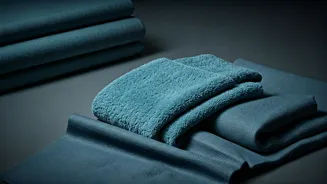
Cotton: The All-Rounder. A timeless favourite, cotton is highly breathable and soft on the skin. However, not all cotton is created equal for the monsoon. Opt for lightweight versions like cotton voile, mulmul, or cambric. These lighter weaves allow for better airflow and dry much faster than thick, heavy cotton, which can absorb a lot of water and become heavy. Cotton blends, which mix cotton with fibres like polyester, are also an excellent choice, offering the softness of cotton with enhanced quick-drying properties.
Linen: The Cooling Expert. Derived from the flax plant, linen is exceptionally breathable due to its hollow fibres, which allow air to pass through easily. It absorbs moisture but releases it very quickly, making it one of the fastest-drying natural fabrics. While it does wrinkle easily, that relaxed, slightly crumpled look is part of its charm and is perfectly suited for the casual monsoon aesthetic.
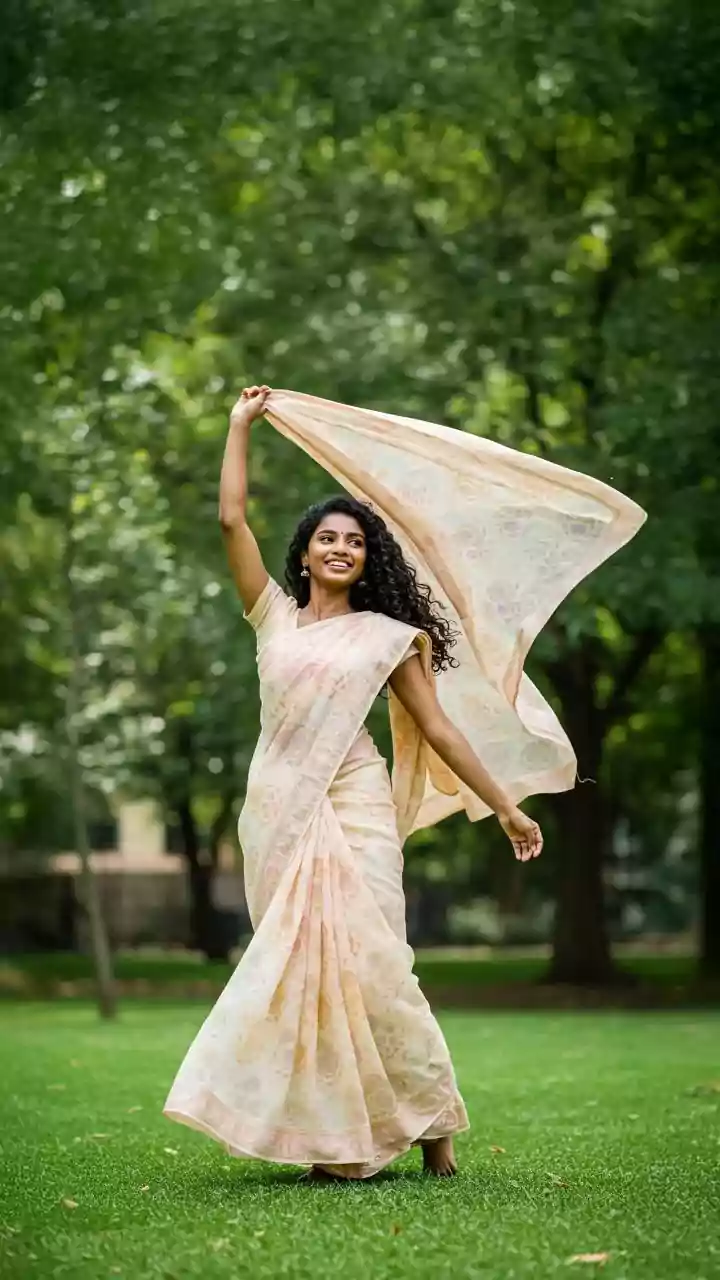
Rayon and Its Derivatives (Viscose, Modal, Tencel): The Smooth Operator. As a semi-synthetic fabric made from natural cellulose, rayon offers the best of both worlds. It’s lightweight, drapes beautifully, and feels cool against the skin. It handles humidity well and dries faster than pure cotton. Tencel, a type of rayon, is particularly praised for its excellent moisture management, making it an ideal choice for the rainy season. These fabrics are perfect for flowy dresses, blouses, and kurtas.
The Losers: Fabrics to Keep Packed Away
Just as there are heroes in the monsoon wardrobe, there are villains. These fabrics will trap moisture, weigh you down, and make a humid day feel much worse.
Denim: The Soaking Sponge. This is the number one fabric to avoid. Denim is thick, heavy, and incredibly absorbent. Once wet, it takes an eternity to dry, whether on a clothesline or on your body. Walking around in damp, heavy jeans is not only uncomfortable but can also lead to chafing and skin issues.
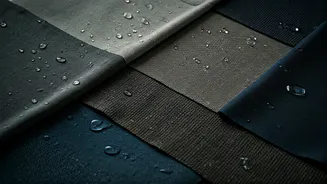
Heavy Silk and Velvet: The Delicate Burdens. While beautiful, heavy silks and velvets are not practical for the monsoon. Silk can get water spots that are difficult to remove, and it becomes heavy and clings unpleasantly when damp. Similarly, velvet is a moisture-magnet that is difficult to dry and maintain during the rains. Keep these for the dry, festive winter season.
Polyester (with a caveat): The Trapped Heat. This is a tricky one. Polyester is water-resistant and dries incredibly fast, which makes it perfect for outerwear like raincoats and umbrellas. However, for clothes worn next to the skin, pure polyester is not ideal as it has poor breathability. It traps heat and sweat, which can make you feel clammy and uncomfortable, even if you are not wet from the rain. For daily wear, polyester blends are a much better option.
Pro Tips for Monsoon Wardrobe Care
Choosing the right fabric is only half the battle. How you care for your clothes during this season is just as important to keep them fresh and long-lasting.
Wash and Dry Smartly: Don't let wet or damp clothes pile up in the laundry basket, as this encourages mildew and musty smells. Wash smaller loads, which allows the washing machine's spin cycle to remove more water, shortening drying time. Hang clothes with ample space between them to allow for better air circulation, and if possible, use a fan to speed up the drying process.
Combat Musty Odours: If clothes develop a damp smell, rewashing them with a bit of white vinegar or baking soda can help neutralise the odour. To keep your wardrobe from smelling musty, place moisture absorbers like silica gel packets or a few camphor balls inside. This helps absorb the excess humidity in the air.
Ironing Can Help: Ironing your clothes, once they are nearly dry, can help remove any lingering dampness and kill odour-causing bacteria, leaving them crisp and fresh. For delicate fabrics that can't take high heat, even a garment steamer can help freshen them up.