






What Is Gut Comfort, Anyway?
Before we dive into festive strategies, let's define 'gut comfort.' It’s more than just the absence of pain; it's a state of digestive well-being where your system feels calm and efficient. Signs of gut discomfort are all too familiar: bloating, gas,
acidity, heartburn, and irregular bowel movements. A healthy gut, with its balanced ecosystem of bacteria, is foundational to digestive comfort, influencing everything from nutrient absorption to your energy levels and mood. The goal isn't to have a perfectly silent stomach, but one that processes meals smoothly without causing distress.
Why Festive Feasting Challenges Our Guts
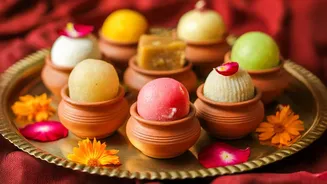
Our digestive systems are typically accustomed to a certain rhythm. The festive season throws this rhythm into disarray. We eat at odd hours, consume larger portions, and indulge in foods that are richer, oilier, and sweeter than usual. Dishes like gulab jamun, samosas, and buttery curries, while delicious, are high in fat and sugar, which can slow down digestion and overwhelm the gut. This sudden change can alter the balance of our gut microbiome, leading to that sluggish, bloated feeling that puts a damper on the celebrations.
Shifting Focus from Guilt to Guts
For many, festive eating is a cycle of indulgence followed by guilt. The 'gut comfort' lens offers a healthier mindset. Instead of seeing a ladoo and thinking about calories or 'bad' food, you pause and ask, "How will my gut feel after this?" This simple question shifts the focus from restriction to mindfulness. It encourages you to savour your favourite treats in moderation rather than either binging or completely abstaining. This approach allows you to participate fully in traditions without the negative physical and emotional aftermath. It's about respecting your body's signals, not punishing yourself.
Practical Ways to Prioritise Comfort
Maintaining gut comfort doesn't mean you have to miss out. Small, consistent habits can make a huge difference. Don't skip meals to 'save' calories for a big dinner, as this often leads to overeating. Instead, have a small, balanced meal beforehand. Stay well-hydrated with water, coconut water, or buttermilk, which aids digestion and prevents the sluggishness caused by rich foods. When you're at a gathering, eat slowly and chew your food thoroughly. This simple act of mindful eating gives your brain time to register fullness, helping you avoid that 'stuffed' feeling. A short walk after a heavy meal can also work wonders for digestion by helping gas move through your system.
Lean on Gut-Friendly Allies
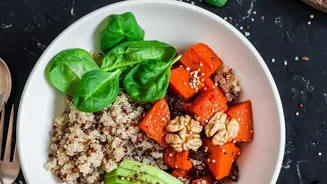
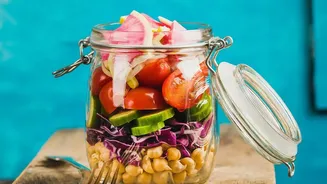
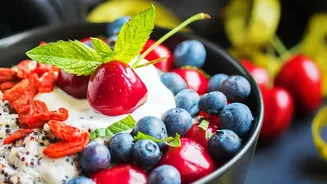
Your kitchen already holds powerful tools for gut health. Incorporate probiotic-rich foods like homemade dahi (curd) and chaas (buttermilk) into your daily routine. These foods supply beneficial bacteria that support a healthy gut microbiome. You can also balance rich festive meals with fibre-rich options like salads, steamed vegetables, or whole grains. Fibre feeds the good bacteria in your gut and helps keep your digestion regular. Traditional Indian spices like ginger, fennel (saunf), and cumin (jeera) are also known to soothe digestion and can be consumed as teas or infusions.