






The ₹95 Reality Check for Travellers
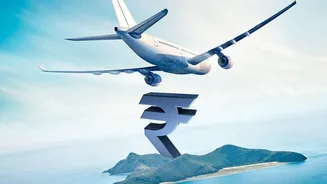
When the rupee weakens, its purchasing power abroad diminishes. A rate of ₹95 to the dollar, up from ₹83 a year or two ago, means everything from your hotel room in New York to a coffee in Paris costs you more in rupee terms. For a trip budgeted at $3,000,
that’s an increase of tens of thousands of rupees. This impacts not just trips to the US, but also to Europe and the UK, as the rupee has weakened against the Euro and Pound as well. Even essentials like flights, which are often priced in dollars, see a significant cost increase. The key is not to panic, but to plan with this new reality in mind.
Your Smart Money Toolkit: Forex vs. Credit Card
How you pay on your trip is your first line of defense. A multi-currency forex card is often the hero here. It allows you to load foreign currency in advance, effectively locking in an exchange rate before you travel. This protects you from further dips in the rupee while you are on holiday. In contrast, while convenient, using your domestic credit card internationally can be costly. Most Indian cards levy a foreign transaction fee of 2-3.5% on every swipe. Then there's the Tax Collected at Source (TCS). While the rate on tour packages is a manageable 2%, other forex spending above a certain threshold can attract a higher rate, which impacts your immediate cash flow even if it's adjustable in your tax returns.
Beware the 'Dynamic Currency Conversion' Trap
When using your card abroad, you'll often face a choice at payment terminals: pay in the local currency (like Euros or Dollars) or in Indian Rupees (INR). Choosing INR might seem convenient, but it's a costly mistake known as Dynamic Currency Conversion (DCC). By choosing INR, you allow the merchant's bank to set the exchange rate, which is almost always worse than the rate your own bank would offer. This markup can be anywhere from 3% to 8%, an unnecessary cost layered on top of other fees. The golden rule is simple: always, without exception, choose to pay in the local currency of the country you are in.
Strategic Destination Planning
If your travel dates are flexible, consider destinations where the rupee still holds strong. While the dollar and euro are expensive, many beautiful countries offer incredible value. Southeast Asian gems like Vietnam, Indonesia, and Cambodia offer stunning landscapes and rich culture where your rupee goes much further. For instance, one Indian Rupee can fetch hundreds of Vietnamese Dong or Indonesian Rupiah, making accommodation, food, and activities remarkably affordable. Other options include Hungary in Eastern Europe or countries like Sri Lanka and Nepal closer to home. A strategic choice of destination can make the difference between a budget-strained trip and a comfortable holiday.
Travel Smarter, Not Less
A weak rupee encourages smarter travel habits. Booking flights and hotels well in advance can help you lock in prices before they rise further with currency fluctuations. Travel during the shoulder or off-season instead of the peak tourist rush to find better deals. Prioritize spending on unique experiences over generic souvenirs. And while carrying some local cash is essential for small expenses, avoid exchanging large sums at airport counters where rates are notoriously poor. Instead, exchange a small amount in India before you leave through an authorized dealer. By adopting these strategies, you can absorb the impact of the currency's slide without sacrificing your travel dreams.