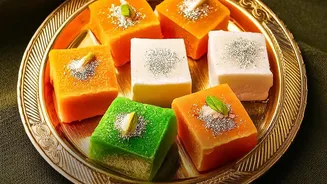



During festive seasons or family gatherings, the allure of a 'healthy' homemade sweet is strong. But the labels 'homemade' or 'sugar-free' can be misleading, creating a false sense of security for those managing their blood sugar levels.
The Myth of 'Guilt-Free' Mithai
The belief that
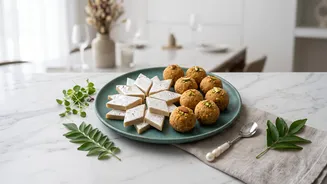
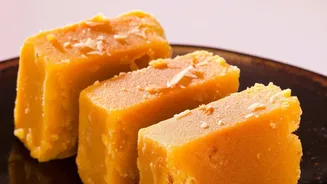
homemade sweets are inherently safe for individuals managing blood sugar is a persistent and dangerous myth. While making sweets at home gives you control over the ingredients, it doesn't automatically negate their impact on glucose levels. The total carbohydrate content, not just the presence of refined white sugar, is what primarily affects blood sugar. Many so-called 'healthy' recipes are still dense with carbohydrates and calories, which can lead to significant blood sugar spikes if consumed without care. The term 'sugar-free' itself can be deceptive. A product can be labelled as such even if it contains ingredients that the body still processes as carbohydrates, which in turn become glucose in the bloodstream. It’s crucial to look beyond comforting labels and understand what is actually in your food.
Decoding Your Sweetener
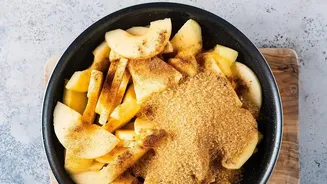
A common swap in health-conscious kitchens is replacing white sugar with 'natural' alternatives like jaggery (gur) or honey. However, this switch is not as beneficial as many believe. Jaggery, despite containing trace minerals like iron and potassium, is mostly sucrose and has a high glycemic index (GI) of around 65-85, similar to white sugar. This means it can raise blood sugar just as quickly. Raw honey often has a slightly lower GI (around 35-55) but is still a concentrated source of sugar and calories; in fact, a teaspoon of honey contains more calories than a teaspoon of sugar because it's denser. While some artificial sweeteners like stevia and monk fruit don't directly raise blood sugar, others might still trigger an insulin response or have other metabolic effects. The key is to treat all sweeteners with caution and understand that even 'natural' ones are still sugars.
The Flour and Fat Factor
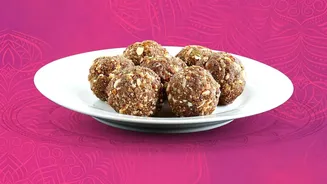
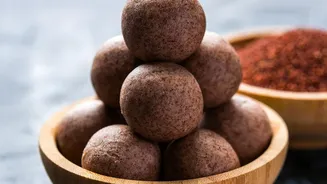
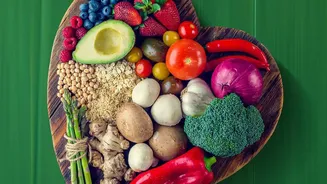
The type of flour used in a sweet is just as important as the sweetener. Refined white flour (maida) has a high glycemic index and is stripped of fibre, causing rapid blood sugar spikes. Opting for flours made from whole grains, millets (like jowar or ragi), pulses (like besan), or nuts (like almond flour) is a much better choice. These flours are higher in fibre and protein, which slow down the absorption of carbohydrates and help stabilize blood sugar levels. Similarly, the role of fat cannot be ignored. While healthy fats from nuts or ghee can slow sugar absorption, they also add significant calories. A 'sugar-free' ladoo made with almond flour and lots of ghee is still a high-calorie food that can affect weight and overall metabolic health if eaten in large quantities. The entire composition of the sweet matters, not just one ingredient.
Portion Control Is Non-Negotiable
Ultimately, the most critical factor in enjoying sweets safely is portion control. Even the most perfectly crafted, low-GI, high-fibre sweet can elevate blood sugar if you eat too much of it. Being mindful of serving sizes is essential. Instead of eating sweets on an empty stomach, have a small portion after a balanced meal that includes protein and fibre. This helps slow down the overall digestion and absorption of sugar, leading to a more gradual blood sugar response. Using smaller plates, physically measuring out a portion before you start eating, and savouring each bite can make a small treat feel more satisfying. Remember, the goal is not total restriction, which can lead to cravings and overindulgence, but mindful and intentional consumption.