







What Are the New RBI Rules?
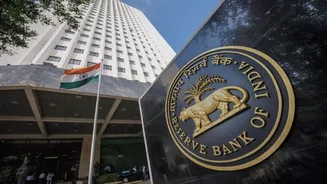
The Reserve Bank of India (RBI) has rolled out a comprehensive framework, effective January 1, 2027, to overhaul the loan recovery process. This move aims to curb aggressive and unethical practices by recovery agents, which have long been a source of distress
for borrowers. The new guidelines consolidate previous instructions and introduce stricter norms for banks, NBFCs, and the recovery agencies they hire. Key prohibitions include harassment, intimidation, and the use of abusive language. Agents are also forbidden from contacting borrowers' friends, relatives, or colleagues, and cannot publicly shame them on social media. The primary goal is to ensure the recovery process is fair, transparent, and respects the dignity of the borrower.
The Importance of the 'First Visit'
Under the new regulations, the first in-person interaction with a recovery agent is a critical and now heavily regulated event. Banks are mandated to inform the borrower about the assigned recovery agency before proceedings begin. In fact, before an agent can visit you for the first time, you must be informed at least a day in advance. This is a major shift, designed to eliminate surprise visits that can be intimidating. The visit itself is also bound by rules. Agents can normally only visit between 8 AM and 7 PM, unless a different time has been specifically requested by the borrower. This defined time window is designed to prevent harassment at odd hours and protect the borrower's privacy.
How to Verify Agency Credentials
One of the most empowering aspects of the new rules is the requirement for complete transparency from the agent. When an agent visits, they must carry and present several key documents upon request. This includes a valid company ID card, a copy of the notice sent to you, and an authorisation letter from the bank. This authorisation letter is crucial; it must contain the contact details for both the recovery agency and the bank's own grievance redressal officer. This allows you to immediately verify the agent's legitimacy. Banks will also be required to publish an updated list of their empanelled recovery agencies on their websites, providing another layer of verification for borrowers.
Know Your Rights as a Borrower
The 2027 framework explicitly outlines rights to protect you from unfair practices. You have the right to be treated with dignity and respect. Recovery agents are not allowed to use coercive tactics, threats, or abusive language. Your privacy is also protected; agents cannot discuss the details of your loan with family members or third parties without your consent. Furthermore, every telephonic conversation between you and the recovery agent must now be recorded by the bank and preserved for at least six months, creating an official record of all interactions. If you feel you are being harassed, you have the right to lodge a complaint with the bank's grievance redressal mechanism or escalate it to the RBI Ombudsman.
What Lenders Must Ensure
The responsibility for ethical conduct lies squarely with the lending institutions. The RBI has mandated that banks must have a board-approved policy for loan recovery. They are responsible for the due diligence and antecedent verification of the agencies they hire. A significant requirement is that all recovery agents must be trained and have completed the Indian Institute of Banking and Finance (IIBF) certification before they can even begin interacting with borrowers. This ensures a minimum standard of professionalism and knowledge of the rules. The RBI holds the banks accountable for any violations by the agents they engage, reinforcing the need for stringent oversight.