

The Cold, Crisp Truth
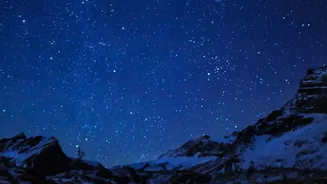
The primary reason winter skies are clearer comes down to a simple principle of physics: cold air holds less moisture than warm air. During warmer, humid seasons, the atmosphere is laden with water vapour. These tiny suspended water droplets scatter light,
creating a haze that can obscure stars and make the sky appear dull or fuzzy. In winter, especially in the mountains, the air is significantly drier. This lack of humidity results in better atmospheric transparency, allowing starlight to travel more directly to your eyes with less interference, making the cosmos appear sharper and more vivid.
A More Stable Atmosphere
Another key factor is atmospheric stability. You know how stars appear to 'twinkle'? That effect, known to astronomers as scintillation, is caused by turbulence in the air. As starlight passes through different layers of air with varying temperatures and densities, it gets bent and distorted. During summer, the ground heats up during the day and radiates that heat back at night, creating rising columns of warm air that mix with cooler air above. This churn leads to more turbulence. In contrast, the cold, dense air of winter is often more stable, with fewer of these disruptive currents. This steadier 'seeing', as astronomers call it, means the light from distant stars and planets reaches you in a more direct line, resulting in a less twinkly and much sharper image.
The Mountain Advantage
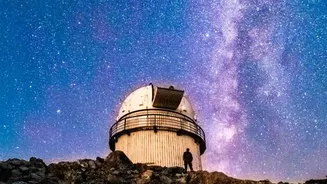
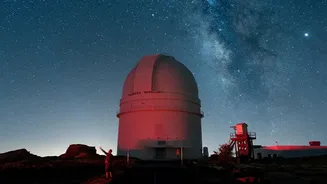
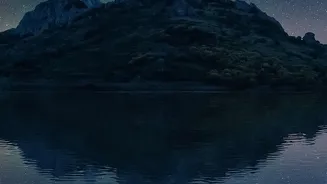
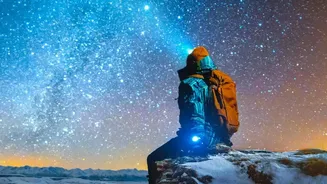
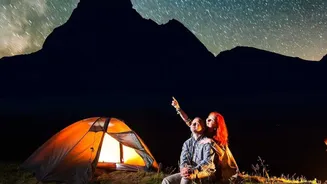
Visiting a mountain site supercharges these winter benefits. At high altitudes, you are physically above a significant portion of the Earth's atmosphere. Less atmosphere means less air, less water vapour, and fewer pollutants for starlight to fight its way through before it reaches your eyes. Mountain locations are also typically far from the light pollution of cities, which creates a bright skyglow that washes out all but the brightest celestial objects. In India, high-altitude cold deserts like the Spiti Valley in Himachal Pradesh and Hanle in Ladakh are prime examples. Hanle, designated as India's first Dark Sky Reserve, sits at an altitude of 4,500 meters, offering some of the clearest, darkest skies on the planet thanks to its elevation and dry climate.
Planning Your Winter Stargazing Trip
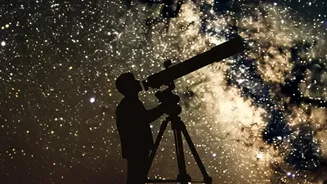
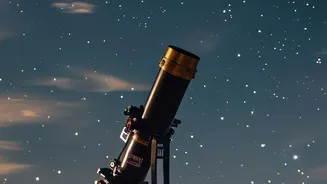
To make the most of these pristine conditions, a little planning goes a long way. The best viewing happens on a clear, moonless night, as even a quarter moon can brighten the sky enough to dim the Milky Way and fainter stars. Check the lunar calendar when planning your trip. Allow your eyes at least 20-30 minutes to fully adapt to the darkness, and avoid looking at bright screens on your phone. Most importantly, dress for the cold. Mountain nights are frigid, so layer up with insulated clothing, a warm hat, gloves, and thermal socks. Binoculars are an excellent tool for beginners, offering fantastic views of star clusters like the Pleiades and the moons of Jupiter without the complexity of a telescope.