






A Hug in a Bowl
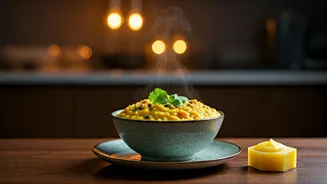
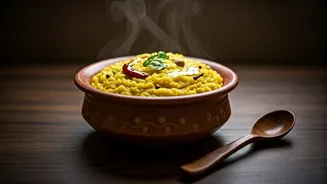
What makes a food “comforting”? It’s a question with a million different answers, all of them deeply personal. For some, it’s a steaming bowl of dal tadka with fluffy rice; for others, it might be rajma chawal, khichdi, or a simple plate of Maggi noodles.
[13, 19, 20] Whatever the dish, the feeling it evokes is universal: a sense of safety, warmth, and emotional solace. Psychologically, our craving for comfort food is rooted in nostalgia and positive association. [4, 18] These are often dishes we were given as children or during happy, secure moments, and our brains link them to feelings of being cared for. [18, 21] When we feel stressed, our bodies release cortisol, which can increase appetite and cravings for high-calorie foods. [25] Indulging in these familiar, often carbohydrate-rich meals, can trigger the release of dopamine, a neurotransmitter associated with pleasure and reward, providing temporary relief. [9, 21, 23]
The Undeniable Joy of Freshness
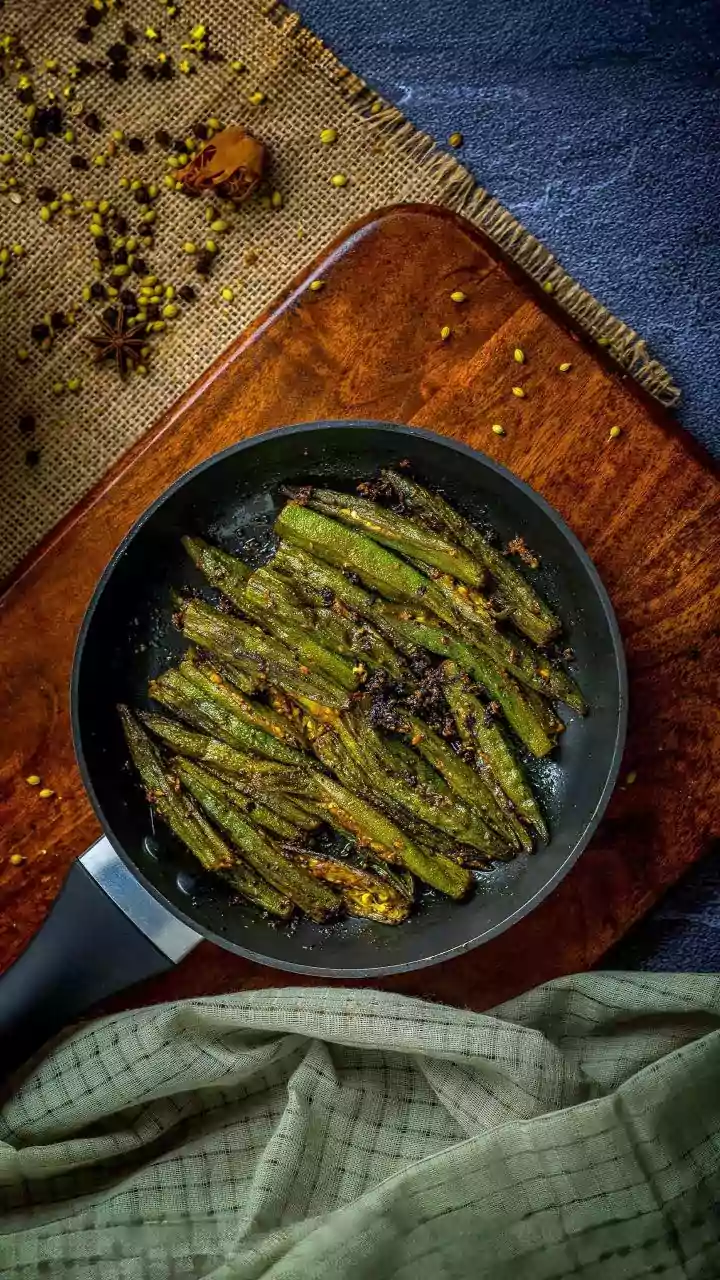
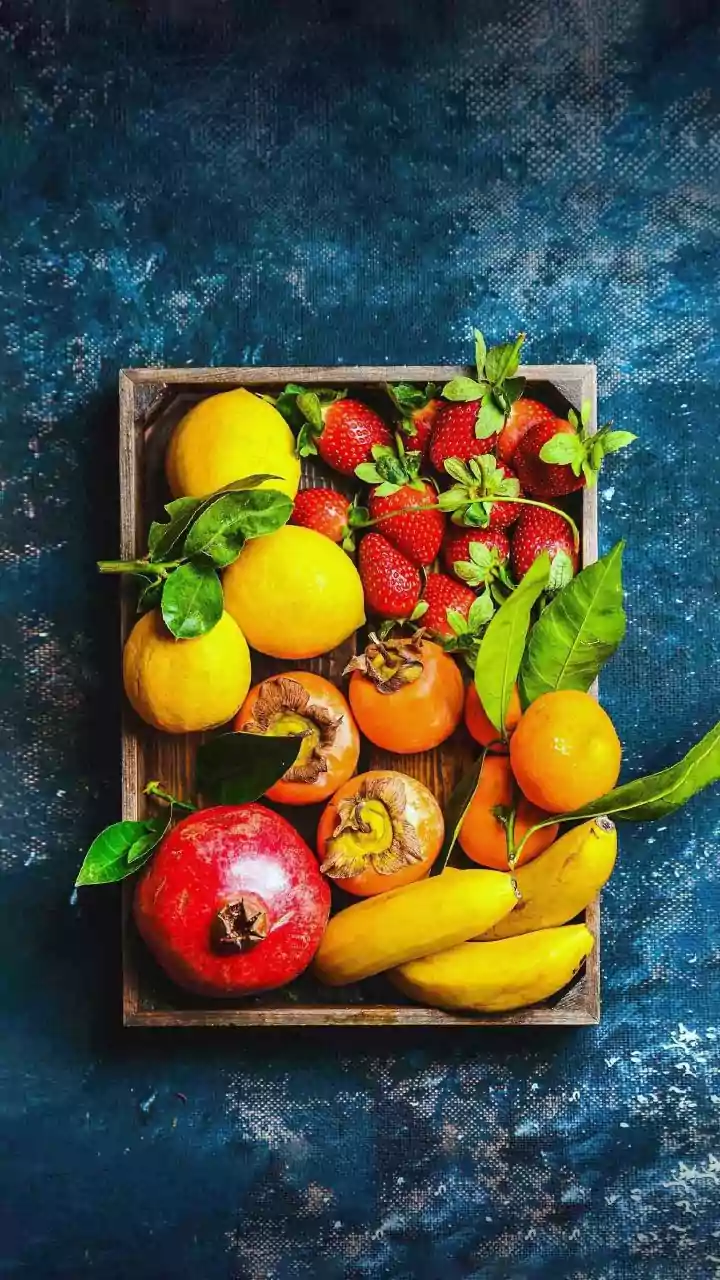
While the emotional connection is key, the headline’s assertion holds true: the most profound comfort comes from freshness. There is a world of difference between a dal made from scratch, with freshly ground spices and a sizzling tadka, and one that’s been sitting in the fridge for three days. Fresh ingredients are simply superior in every way that matters. They provide a depth and vibrancy of flavour that processed or stale ingredients cannot replicate. [2, 5] A just-picked herb, a ripe tomato, or crisp vegetables contribute dynamic tastes and aromas that are often the first things to degrade over time. [2, 8] Beyond flavour, fresh ingredients are packed with more nutrients like vitamins and minerals, which are often lost in processing or during long storage. [7, 8] This means that when you cook fresh, you’re not just creating a more delicious meal; you’re also making a healthier and more nourishing one. [2]
The Hidden Dangers of 'Risky' Food
The word “risky” in the context of comfort food has two important meanings. The first is culinary: the risk of over-complicating a dish that thrives on simplicity. Adding truffle oil to dal or quinoa to khichdi might sound innovative, but it often detracts from the pure, unadulterated comfort the original dish is meant to provide. It transforms a hug in a bowl into an awkward handshake. The second, more critical risk, is to your health. This is where leftovers and expired ingredients come into play. While convenient, improperly stored or reheated food can be a breeding ground for harmful bacteria. [11, 22] The Food Safety and Standards Authority of India (FSSAI) recently highlighted common reheating mistakes that can lead to foodborne illnesses. [28] For instance, some bacteria like Staphylococcus aureus can produce heat-resistant toxins that even thorough cooking can't destroy. [24, 27] Repeatedly reheating the same food or not heating it evenly can also create “danger zones” where bacteria survive and multiply. [11, 28, 30] Using ingredients past their expiry date carries similar risks, as they can harbour bacteria, mould, and other toxins that can cause anything from mild stomach cramps to severe food poisoning. [3, 15, 17]
Embrace the Art of Simple Comfort
In a world obsessed with culinary trends and complex recipes, there is a powerful argument to be made for reclaiming the simplicity of our comfort foods. This isn’t a call for lazy cooking, but rather a mindful approach to nourishment and self-care. Choosing to prepare your favourite comfort meal with fresh ingredients is an act of love for yourself. It’s about honouring the memories and feelings associated with that dish by giving it the best possible expression. It means taking the time to enjoy the aromas and textures that only come from fresh preparation. [2] Next time you feel the pull for that one special meal that always makes you feel better, resist the urge to take a shortcut with old leftovers or complicated additions. Instead, embrace the process. Go for the fresh ingredients, cook it with care, and serve it hot. You’ll be rewarded not just with a delicious meal, but with a richer, safer, and far more satisfying experience that truly nourishes both body and soul.