






The Key Players This Month
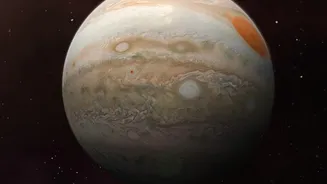
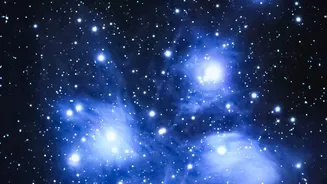
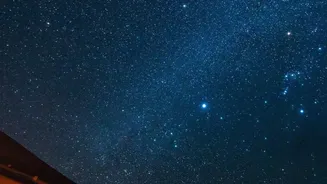
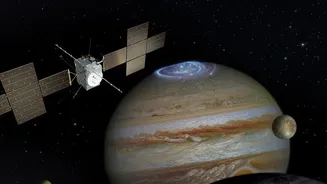
October's night sky is bustling with activity, but three celestial objects take centre stage. Jupiter, the largest planet in our solar system, will be a brilliant, unblinking point of light. Then there's the Pleiades, a stunning star cluster also known
as the Seven Sisters or Krittika Nakshatra in Indian astronomy. It often looks like a tiny, shimmering question mark of stars to the naked eye. Finally, our own Moon will journey across the sky, meeting up with both Jupiter and the Pleiades at different times, creating beautiful photo opportunities and memorable sights.
First Encounter: Moon Meets Jupiter
Mark your calendars for the morning of October 6. Before sunrise, a lovely waning crescent Moon will appear very close to the bright planet Jupiter. This event, known as a conjunction, will be a striking sight in the eastern sky. For those with a clear view of the horizon, the pairing will be unmistakable. Jupiter will be the brighter of the two, a steady beacon next to the delicate crescent of the Moon. This is an excellent opportunity for early risers to enjoy a moment of cosmic beauty before the day begins. In some parts of the world, the Moon will actually pass in front of Jupiter, an event called an occultation, though this specific phenomenon won't be visible from India. Even so, the close approach will be a highlight of the month.
The Moon Visits the Seven Sisters
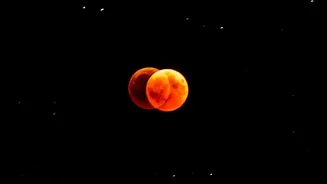
Later in the month, the Moon makes a date with the Pleiades. On the night of October 27 and into the morning of the 28th, you can watch the nearly full Moon pass close to this famous star cluster. The brightness of the Moon might wash out some of the fainter stars in the cluster, but the proximity of the two objects will still be impressive. Binoculars will significantly enhance the view, revealing many more stars in the Pleiades cluster than are visible with the naked eye and showing the Moon's features in stark relief. This celestial meetup will be visible for most of the night, rising in the east and traversing the sky.
Bonus Sights: Meteor Showers
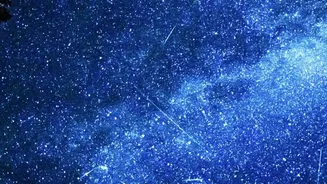
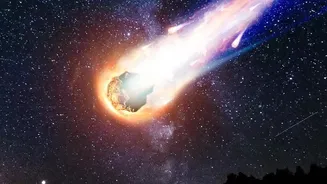
October also hosts two meteor showers. First are the Draconids, peaking on the evening of October 8-9. This is an unusual shower because it is best viewed in the evening, just after nightfall, rather than after midnight. While typically a minor shower with about 10 meteors per hour, the good news for 2026 is there will be no bright moonlight to interfere, as the new moon occurs on October 10. Later in the month, the Orionid meteor shower, debris left by Halley's Comet, peaks on the night of October 21-22. These are known for being fast and bright. Unfortunately, a bright waxing gibbous Moon will be present for much of the night, obscuring fainter meteors. Your best chance to see the Orionids will be in the few hours before dawn after the Moon has set.
Tips for the Best Viewing Experience
To make the most of these celestial events, a little preparation goes a long way. First, try to get away from city lights. Light pollution drastically reduces what you can see in the night sky. Find a spot with a clear, unobstructed view of the horizon, especially for events happening near sunrise or sunset. Give your eyes at least 15-20 minutes to fully adapt to the darkness. This will allow you to spot fainter stars and meteors. While all the main events this month are visible with the naked eye, a pair of binoculars or a small telescope will reveal stunning details, like Jupiter's four largest moons or the individual stars of the Pleiades. Finally, be patient. Stargazing is a relaxing activity, so bring a comfortable chair, dress for the weather, and enjoy the show overhead.