






The Foundation: Choose Your Bag Wisely
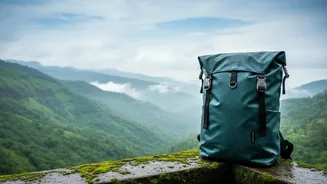
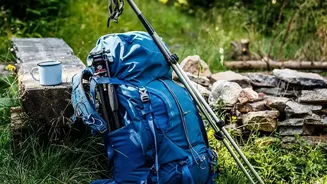
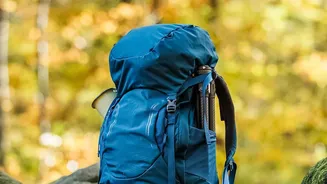
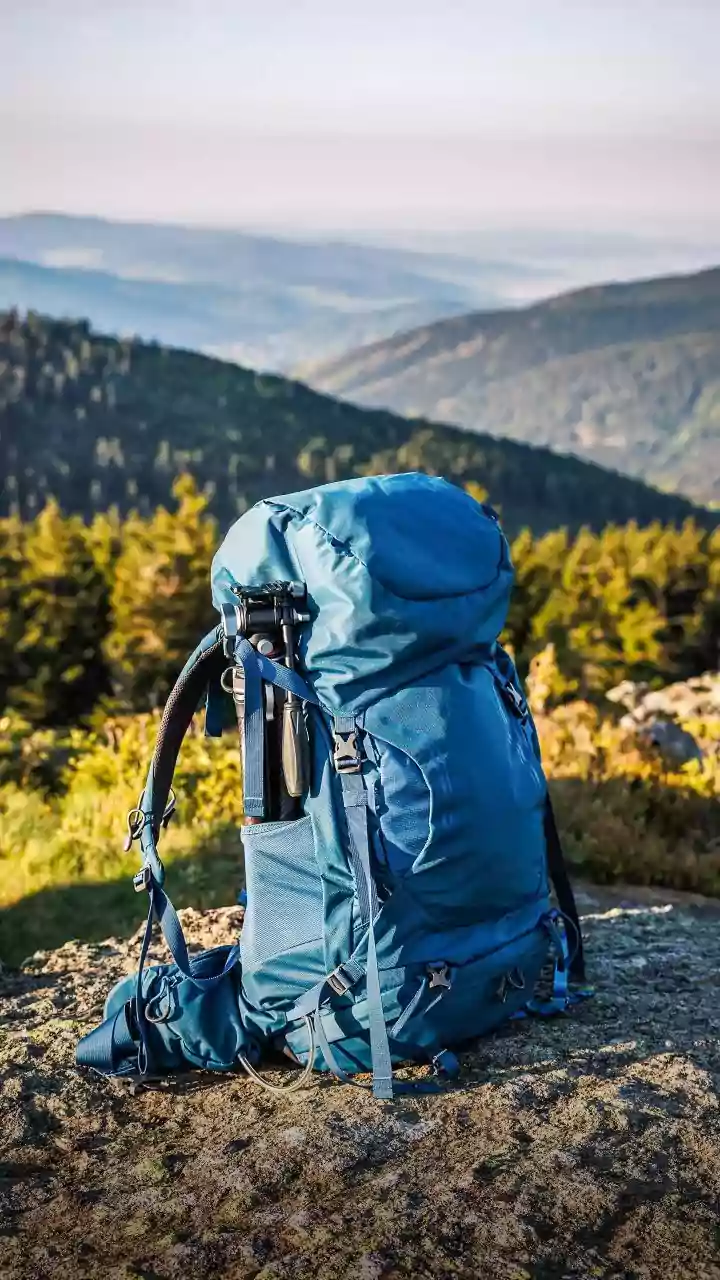
Your backpack is your first line of defence. While no standard fabric bag is truly 'waterproof', many are 'water-resistant', meaning they can handle light showers. For serious monsoon travel, look for a backpack made of nylon or polyester with a high
denier count and a polyurethane (PU) coating. Critically, check for features like storm flaps over zippers and a reinforced, coated base to prevent water from seeping in when you place the bag on a wet surface. The most crucial accessory, however, is a dedicated rain cover. Many modern backpacks come with one, but if not, buy one that fits snugly. It's the simplest and most effective way to protect your bag during a downpour.
The Art of Layered Waterproofing
A rain cover protects the outside, but smart internal packing is what guarantees dry gear. Think in layers. Use a large, heavy-duty plastic bag or a dedicated pack liner as the first layer inside your empty backpack. Then, compartmentalise using smaller dry bags or even high-quality zip-lock bags. Electronics, documents, and a change of clothes should each get their own waterproof pouch. This 'double-bagging' method ensures that even if the outer bag gets damp, your essentials remain completely dry. For an extra defence against the pervasive humidity, toss a few silica gel packets into your main bag and electronics pouches to absorb ambient moisture.
Your Wardrobe: Quick-Dry and Practical
Cotton is your enemy during the monsoon. It absorbs moisture, takes days to dry in high humidity, and becomes heavy and uncomfortable. Instead, pack lightweight synthetic fabrics like polyester and nylon blends that dry quickly. Dark-coloured clothing is a practical choice as it won't show mud splashes from waterlogged streets. Pack fewer items and plan to wash them in your hotel sink; quick-dry fabrics will be ready to wear by morning. Always carry a separate waterproof bag to store wet or dirty clothes, preventing them from making your dry items damp and smelly.
Footwear: Grip and Drainage are Key
The wrong footwear can ruin a monsoon trip. Leave your suede and heavy leather shoes at home. Your priorities should be grip on slippery surfaces and the ability to dry quickly. For city travel and light walks, rubber sandals, floaters, or other open-toed footwear with good grip are ideal because they don't hold water. For trekking or more adventurous trips, look for anti-skid trekking shoes that offer ankle support. Avoid flip-flops, which offer poor grip on wet surfaces, and closed canvas shoes that trap water and can take days to dry, leading to discomfort.
The Monsoon Health and Utility Kit
A few extra items can make a huge difference in your comfort and health. The monsoon brings an increase in mosquitoes, so a good insect repellent is non-negotiable. High humidity can also cause skin issues, making anti-fungal powder a wise addition. Pack a basic first-aid kit with antiseptic wipes, bandages, and any personal medications. A quick-dry microfibre towel is far superior to a standard cotton one; it's more absorbent, lighter, and dries in a fraction of the time. Finally, a small torch or headlamp is invaluable during power cuts, which can be more frequent during the rainy season.
Protecting Your Precious Electronics
Water is the mortal enemy of electronics. Your primary strategy should be double-waterproofing: keep your phone, camera, and power bank in individual waterproof pouches or zip-lock bags, and then place them in a dedicated dry bag or a protected compartment of your backpack. Always have a small microfibre cloth handy to wipe down your hands and devices before handling them. When caught in a sudden downpour, resist the urge to check your phone. Find shelter first. Keeping your electronics in a small, easily accessible dry bag ensures you can pull out your essentials without exposing your entire backpack's contents to the rain.