





A New Definition of 'Office View'
The post-pandemic work culture has permanently shifted expectations. For many in the tech industry, the freedom of remote work is no longer a temporary perk but a lifestyle. This has given rise to the 'workation'—a portmanteau of work and vacation—where
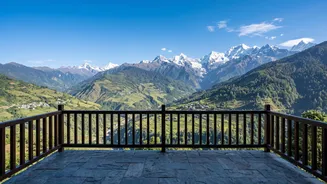
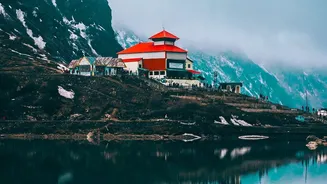
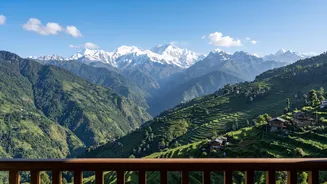
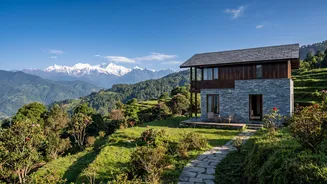
professionals relocate to scenic destinations for extended periods. Instead of staring at a concrete jungle, they're logging into meetings with backdrops of snow-capped peaks. Sikkim, with its pristine landscapes and tranquil environment, has become a leading choice. The appeal is simple: it offers an escape from the chaos of city life without sacrificing professional commitments, providing a setting that boosts both mental well-being and productivity.
Why Sikkim is a Digital Nomad's Paradise
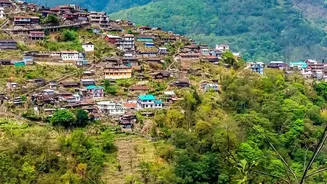
Sikkim was once considered a dead zone for digital connectivity, but it has undergone a significant infrastructure transformation. Major towns like Gangtok, Pelling, and Namchi now offer reliable high-speed internet, with both 4G and fiber-optic connections becoming increasingly common. This technological upgrade, combined with the state's inherent natural beauty and clean air, creates a powerful combination for remote workers. The state government has also actively encouraged this trend. Initiatives like the 'Nomad Sikkim' project have led to the creation of India's first 'Digital Nomad Village' in Yakten, a hamlet in East Sikkim designed specifically for remote professionals. These villages ensure that homestays are equipped with essentials like Wi-Fi, power backup, and comfortable workspaces.
The Homestay Experience: More Than Just a Room
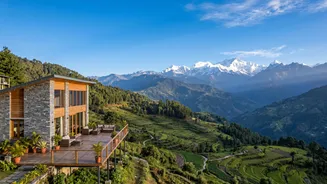
Choosing a homestay in Sikkim over a hotel is about opting for immersion over isolation. These family-run accommodations offer a window into the local culture, providing an experience that is both authentic and grounding. Guests often share home-cooked meals made from organic, locally sourced ingredients, engage in conversations with their hosts, and gain insights into Sikkimese traditions. Unlike the sterile environment of a hotel, homestays provide a sense of community and connection. Hosts often guide visitors on local treks, introduce them to village life, and help arrange permits, making the stay seamless and personal. This warmth and hospitality are a key part of what makes working from a Sikkimese village a rejuvenating experience.
Balancing Productivity with Peace
The central promise of a workation in Sikkim is the enhancement of focus and creativity. The quiet, low-stress environment is conducive to deep work, free from the constant distractions of urban life. Many remote workers report a significant boost in productivity, finding it easier to tackle complex tasks when surrounded by nature. The slower pace of life encourages a healthier work-life balance. Breaks are no longer just a quick coffee run but an opportunity to take a walk on a misty trail, sip on locally grown tea, or simply watch the clouds drift over the mountains. This integration of wellness into the daily work routine helps prevent the burnout that is rampant in the tech industry.
Essential Tips for Your Sikkim Workation
A successful workation requires some planning. Before booking a homestay, it's crucial to verify the specifics of its digital infrastructure. Always ask the host about internet speed and the availability of power backup like inverters, as power cuts can occur in hilly regions. It's also wise to have a backup mobile connection; Jio and Airtel generally offer good 4G coverage in major towns, while BSNL can be a lifesaver in more remote areas. The best times to visit are typically from March to June and September to November, avoiding the heavy monsoon and harsh winter. Platforms and local agencies dedicated to digital nomadism in Sikkim can help you find verified homestays that are vetted for comfort, connectivity, and genuine hospitality.