



Understand Meghalaya's Unique Risks
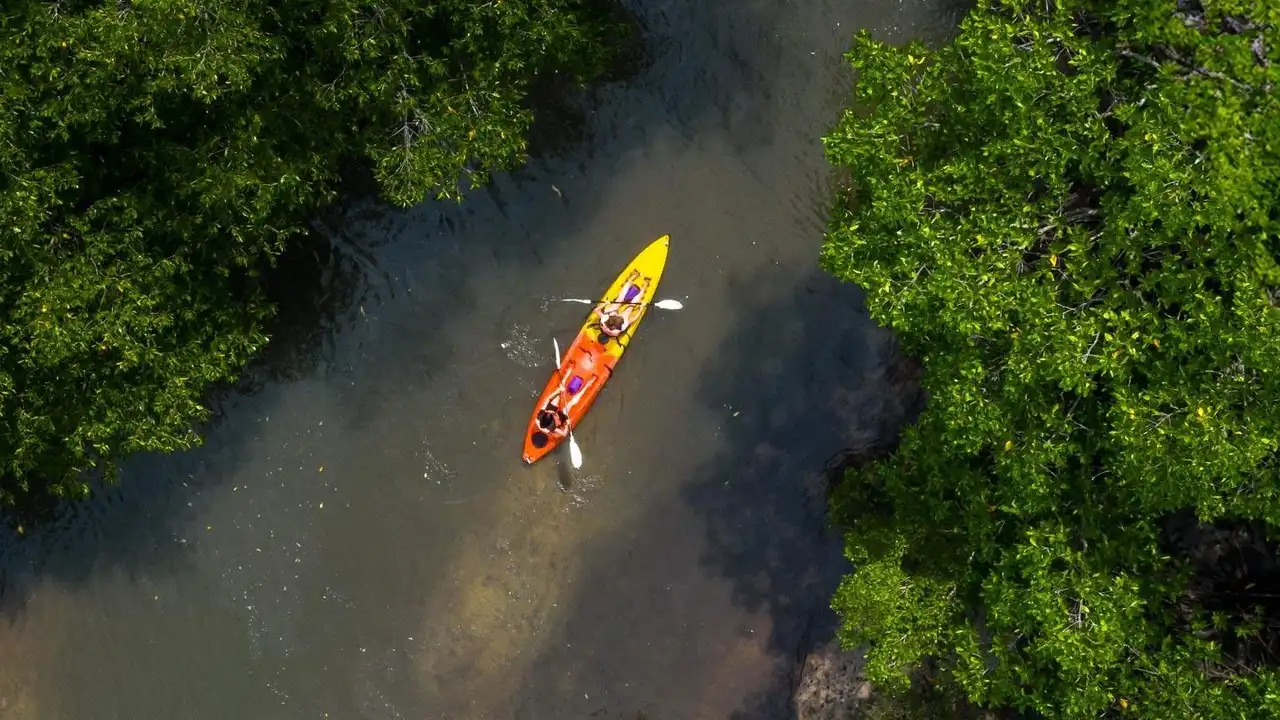
Kayaking in Meghalaya during the monsoon is unlike anywhere else on Earth. This region receives some of the highest rainfall globally, which can transform a gentle stream into a raging torrent in minutes. The primary danger is flash floods. Sudden, intense
rainfall, even miles upstream, can send a wall of water surging through narrow canyons with devastating force. Local guides stress that the geology of soft sandstone means riverbeds and obstacles are constantly shifting. What was a safe passage yesterday could be a deadly trap today. Heavy rain also causes landslides and rockfalls, adding another layer of unpredictability. Before even thinking about getting on the water, you must respect that the environment here is dynamic and unforgiving.
Never Compromise on a Professional Guide
The single most important safety decision you will make is choosing your guide. Veteran kayakers are unanimous: do not attempt these rivers without an experienced, certified local guide. Their knowledge of the river's behaviour, weather patterns, and escape routes is invaluable. A good guide will know when a river is runnable and when it's suicidal. They can read subtle signs in the water level and weather that an amateur would miss. When vetting guides, ask about their swift-water rescue certifications, their experience on that specific river during monsoon season, and their emergency protocols. Local knowledge is paramount because the rivers change so dramatically. As the experts say, a cheap guide might be the most expensive mistake you ever make.
Essential Gear for Survival
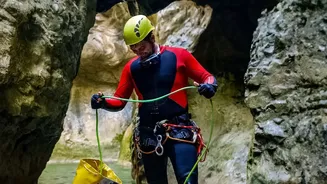
Your equipment is your lifeline. Standard recreational gear is not enough. A high-quality, properly fitted whitewater helmet and a Personal Flotation Device (PFD) designed for swift water are non-negotiable. Your PFD should also have a safety whistle and a blunt-tipped river knife attached. A dry suit or wetsuit is crucial to prevent hypothermia, as you will be wet constantly and water temperatures can be dangerously cold. Sturdy footwear with excellent grip is essential for navigating slippery rocks when scouting or portaging. Your kayak should be a whitewater-specific boat with properly secured flotation (airbags). Finally, every group must carry throw ropes and have members trained in how to use them effectively in a rescue situation.
Read the Water, Respect the Weather
Weather in Meghalaya can change in an instant. Always check multiple, reliable weather forecasts before you set out, and be aware of conditions in the entire catchment area, not just your immediate location. On the river, learn to read the water. Understand the difference between a downstream 'V' (often indicating a safe channel) and an upstream 'V' (indicating a submerged rock or hazard). Watch out for "strainers"—trees or branches that let water pass through but will trap a person—which are a leading cause of fatalities. If you find yourself swimming, the standard self-rescue position is on your back with your feet up and pointed downstream to fend off rocks. Never try to stand up in a strong current, as your foot could become entrapped.
The Most Important Skill: When to Say No
Overconfidence can be fatal in adventure sports. The most experienced kayakers are often the ones who are most willing to walk away from a river that doesn't feel right. If the water level looks too high, if the weather is turning, or if anyone in your group is not feeling 100% confident, the only correct decision is to cancel or turn back. There is no shame in portaging (carrying your boat) around a rapid that is beyond your skill level. A common mantra among pros is, "If in doubt, scout it out." And if you're still in doubt after scouting, walk around it. The river will always be there another day. This judgment call is arguably the most critical skill a paddler can possess, separating seasoned veterans from cautionary tales.
Teamwork and Communication are Vital
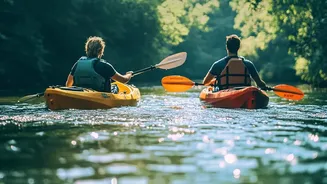
Never paddle alone, especially in these conditions. The minimum group size should be three, so that if one person gets into trouble, one can assist while the other goes for help or provides support. Your group should be of a similar skill level. Before launching, establish a clear system of hand and whistle signals for communication, as the roar of a river can make shouting useless. Keep each other in sight without crowding, and maintain communication throughout the run. Everyone in the group is responsible for everyone else's safety. Look out for your teammates, and trust them to look out for you. A cohesive, well-communicated team is exponentially safer than a group of individuals.