




Ridge Gourd Peel Chutney (Heerekai Sippe Chutney)
In many homes, the spiny, tough peel of the ridge gourd (turai or heerekai) is the first thing to go into the bin. But in Karnataka, these fibrous peels are transformed into a flavour-packed chutney. The peels are sautéed until tender and then ground
with roasted lentils, coconut, tamarind, and red chillies. The result is a coarse, nutty, and tangy condiment that pairs beautifully with dosas, idlis, or a simple plate of rice and ghee, proving that the most flavourful part of the vegetable is often the one we throw away.
Banana Peel Stir-Fry (Kele ke Chilke ki Sabzi)
Yes, you can eat banana peels, and in various parts of India, they are turned into a delicious side dish. A popular preparation is a thoran from Kerala or a simple sabzi. The peels, preferably from raw or semi-ripe bananas, are finely chopped and stir-fried with classic Indian tempering of mustard seeds, curry leaves, onions, and green chillies. Often enhanced with grated coconut, this dish has a surprisingly tender texture and a subtly savoury taste, completely reimagining the destiny of the humble banana peel.
Watermelon Rind Dosa
After enjoying a juicy watermelon on a hot day, the thick white rind is usually discarded. However, in the coastal regions of Karnataka, this rind gets a second life in the form of a soft, spongy dosa. The tough outer green skin is removed, and the white part is ground into a paste along with soaked rice to create a fermented batter. These dosas, known as Kalingana Polo, are incredibly soft and have a mild, unique flavour. They can be made savoury or even slightly sweet with the addition of jaggery.
Jackfruit Seed Curry (Kathal Bichi'r Torkari)
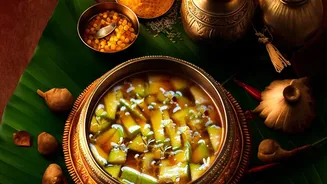
Hidden inside the sweet, fibrous pods of a jackfruit are large, starchy seeds that are a delicacy in their own right. Instead of being thrown out, these seeds are collected, boiled until they have a texture similar to a potato or chestnut, and used in a variety of dishes. A popular preparation across many states, including West Bengal, Kerala, and Andhra Pradesh, is a hearty curry. The boiled and peeled seeds are simmered in a spiced gravy of onion, tomato, ginger, and garlic, creating a rich and nutritious dish that is full of flavour.
Pumpkin Peel Stir-Fry (Kaddu ke Chilke ki Sabzi)
The tough, green skin of a pumpkin is surprisingly edible and delicious when cooked correctly. While many recipes call for peeling the pumpkin, traditional North Indian cooking, particularly in Uttar Pradesh, has long embraced using the peels. The peels are thinly sliced and can be stir-fried with potatoes and spices like mustard seeds, fenugreek, and mango powder (amchur) to create a tangy and flavourful sabzi. This dish not only reduces waste but also adds a wonderful, slightly chewy texture that contrasts with the soft pumpkin flesh.
Bottle Gourd Peel Bhaja or Chutney
The peel of a bottle gourd (lauki) is almost always discarded, but in Bengali and Rajasthani cuisine, it’s a prized ingredient. In Bengal, the peels are finely julienned and stir-fried into a crisp 'bhaja' or 'Chechki' with spices like panch phoron. In Rajasthan, the same peels are ground into a zesty 'Lauki ki Chutney' with peanuts, garlic, and chillies. Both preparations showcase the peel's ability to transform from a mundane scrap into a crunchy, delicious component of a meal.
Drumstick Leaves Stir-Fry (Murungai Keerai Poriyal)
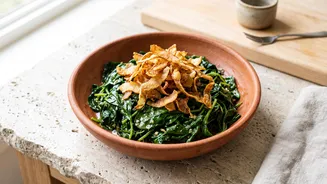
While drumsticks are a staple in sambar, their tiny leaves, known as moringa (murungai keerai), are a nutritional powerhouse often overlooked outside of South India. In Tamil Nadu, these leaves are used to make a simple yet incredibly flavourful stir-fry called a 'poriyal'. The leaves are stripped from their stems, washed, and quickly sautéed with mustard seeds, lentils (urad dal), onions, and generous amounts of grated coconut. It's a quick, healthy, and delicious way to enjoy one of nature's true superfoods.
Bathua: The Forgotten Winter Green
Once a staple in North Indian winters, Bathua (also known as lamb's quarters or pigweed) has been overshadowed by more popular greens like spinach and mustard leaves. This is a shame, as this iron- and vitamin-rich green has a distinct, earthy flavour. Bathua can be used in a multitude of ways: kneaded into dough for flavourful parathas, blended into a refreshing raita, or cooked down into a hearty saag. Rediscovering bathua is a delicious way to bring a traditional and highly nutritious ingredient back to the dining table.