








1. Go Beyond Basic Recycling
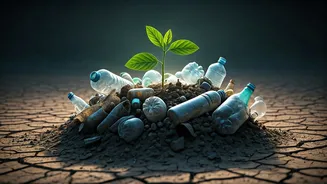
For years, the focus has been on separating wet and dry waste. While important, being truly climate-smart means looking at the entire lifecycle of what we consume. This is about understanding your 'consumption footprint'. Before you buy, ask: Do I really
need this? Where was it made? How long will it last? This applies to everything from fast fashion, which creates enormous textile waste, to the latest electronic gadgets that have a significant carbon cost in their production and disposal. The most sustainable product is often the one you don't buy. Prioritising repair over replacement, choosing durable goods, and refusing single-use items are powerful acts that reduce demand on resources before they even enter the waste stream.
2. Become a Water Warrior
In a country where cities like Bengaluru and Chennai have faced 'Day Zero' water crises, every drop truly counts. A climate-smart citizen understands that water and energy are deeply linked; saving one saves the other. This goes beyond turning off the tap while brushing. It means fixing leaky faucets immediately, which can save hundreds of litres a month. It involves choosing water-efficient appliances and adopting simple habits like using the water from washing vegetables to water plants. On a community level, it's about advocating for and participating in rainwater harvesting initiatives. By treating water as the precious and finite resource it is, we build resilience against the droughts and shortages that climate change is making more frequent.
3. Rethink Your Plate
What we eat has a profound impact on the planet. A climate-smart diet is less about radical restrictions and more about conscious choices. Prioritise local and seasonal produce. Eating fruits and vegetables that are grown nearby reduces 'food miles'—the carbon emissions from transporting food over long distances. It also supports local farmers and economies. Furthermore, reducing food waste is critical. In India, a significant portion of food is wasted between the farm and the table. At home, this means planning meals, using leftovers creatively, and composting kitchen scraps. While individual dietary choices are personal, collectively shifting towards more plant-based, locally sourced, and waste-free eating habits can significantly lower our agricultural sector's carbon footprint.
4. Demand Systemic Change
Individual actions are the foundation, but they must be paired with collective advocacy. A climate-smart citizen is an engaged citizen. This doesn't mean you have to become a full-time activist. It means staying informed about local environmental issues, whether it's a new construction project threatening a green space or a policy about waste management. It means asking questions at your local Resident Welfare Association (RWA) meeting about solar panels or better public transport connectivity. It means using your voice—and your vote—to support leaders and policies that prioritise sustainable development. When individuals come together to demand better infrastructure, cleaner energy, and corporate accountability, they create the political will for the large-scale changes we urgently need.
5. Master Conscious Commuting
Our cities are often gridlocked, and the transport sector is a major source of emissions. Being climate-smart about travel is crucial. Before defaulting to a car or a ride-hailing service, consider the alternatives. Can this trip be combined with another? Can it be done on foot or by bicycle? For longer distances, public transport like the metro or buses is a far more efficient and less polluting option. The goal is to move away from the single-person-per-vehicle model whenever possible. Advocating for safer footpaths, dedicated cycling lanes, and reliable public transit in your neighbourhood transforms this from a personal choice into a community-wide solution, making sustainable transport the easy and obvious choice for everyone.