


The Rise of the Supermarket Safari
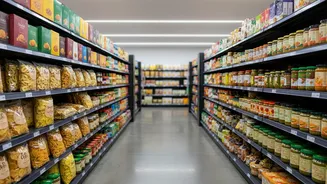
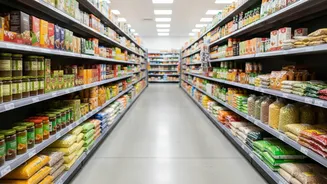
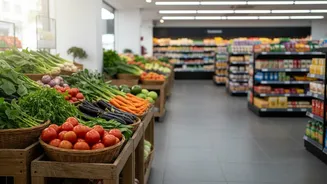
It’s a phenomenon that has been dubbed ‘grocery tourism’ or a ‘supermarket safari’: the deliberate act of visiting local grocery stores not just for necessities, but as a key part of the travel experience itself. Instead of simply ticking off museums
and monuments, modern travellers are dedicating time to exploring the aisles of a neighbourhood market with the same curiosity they would a gallery. This isn't just about grabbing a quick snack; it's about seeing a destination through the lens of its everyday life. What do local families eat on a Tuesday night? What spices are essential? What flavour of chips is unique to the region? These are the questions that a wander through a foreign grocery store can answer, offering an unfiltered glimpse into the local culture that guidebooks often miss.
A Craving for Authentic Connection
This trend is part of a larger shift away from pre-packaged, superficial tourism and towards a desire for genuine experiences. In an age where many global cities can feel disappointingly similar, the local supermarket stands out as an emblem of authenticity. It’s a space built for residents, not tourists, and offers a real-time view of a community's daily routines and values. For many, this search for what's real is a reaction against the polished, often staged, content that dominates social media. Walking through a market in Goa to find local spices like kokum or heading to a Japanese convenience store for its famous onigiri provides a direct, tangible connection to a place that a landmark visit might not. It’s about participating in the culture, not just observing it from a distance.
Edible Memories are the New Souvenirs
Forget trinkets that gather dust. Today's travellers are increasingly leaving extra space in their luggage for edible souvenirs. A 2025 survey found that 58% of Indian travellers choose edible snacks from local markets as their preferred keepsakes. These items—be it a specific brand of matcha from Kyoto, hand-harvested sea salt from France, or a unique farsan from Pune—serve as sensory reminders of a trip. They allow travellers to relive and share their experience long after they've returned home. The act of cooking a meal with spices bought abroad or sharing a unique snack with friends transforms a fleeting memory into a lasting, interactive story.
The Social Media Effect
While the practice isn't new, social media has amplified it into a global phenomenon. Platforms like TikTok and Instagram are filled with 'grocery haul' videos from foreign countries, turning everyday products into viral must-haves. The hashtag 'grocery store travel' has millions of posts, with users showcasing everything from uniquely flavoured Kit Kats in Japan to local cheeses in France. This online enthusiasm turns a mundane shopping trip into a shareable adventure, inspiring others to add the local supermarket to their travel itineraries. Some retailers have even started catering to this trend, creating special sections with 'top 10 items to buy' to guide curious tourists.
How to Plan Your Own Food Adventure
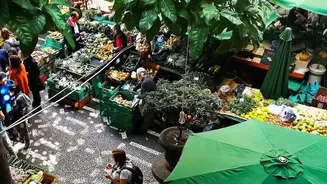
Participating in this trend is simple. The first rule is to go without a list; the goal is to discover what's unfamiliar. Before you travel, do a little research on local specialities that are easy to pack. Once there, don't be afraid to ask locals or store employees for recommendations. Visiting open-air food markets can be just as rewarding, offering a chance to see fresh produce and interact directly with vendors. While shopping, keep travel practicalities in mind. Look for items with a good shelf life, like spices, teas, packaged snacks, and vacuum-sealed goods. It’s also wise to be aware of customs regulations for bringing food items back into your home country. Ultimately, the experience is about curiosity and connection, turning a simple errand into one of your most memorable travel stories.