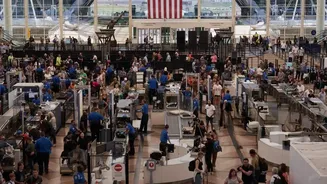








The dream of international travel is universal, but the reality is often a bureaucratic nightmare. A major new survey reveals that cumbersome and confusing visa processes are increasingly discouraging travellers from visiting certain destinations.
Frustration on the Rise
According
to the 2026 Global Passenger Survey from the International Air Transport Association (IATA), a significant number of travellers are now thinking twice before booking a trip, not because of the cost of flights, but because of the hassle of entry requirements. The survey found that 43% of passengers were discouraged from travelling to a particular destination due to its immigration rules, a sharp increase from 33% just a year earlier in 2025. The primary reason isn't the price of the visa or even privacy concerns, although those are factors. The biggest deterrent, cited by 53% of those put off by the process, is sheer complexity. This suggests a growing gap between the desire for seamless travel and the often complicated, multi-step reality of getting permission to cross a border.
The High Cost of Complexity
This rising frustration isn't just a headache for would-be tourists; it represents a significant economic own-goal for destination countries. The World Travel & Tourism Council (WTTC) has long argued that complicated visa policies act as a major obstacle to economic growth and job creation. Older reports from the WTTC and the World Tourism Organization (UNWTO) have shown that simplifying visa processes can lead to a 5-25% increase in international arrivals, generating billions in additional tourism revenue and creating millions of jobs. When potential visitors—whether they are business travellers, families on holiday, or students—are deterred by opaque rules, lengthy paperwork, and uncertain outcomes, they simply choose to spend their money elsewhere. This lost revenue affects not just airlines and hotels but the entire tourism ecosystem, from local restaurants to tour operators and small businesses.
A Clear Demand for Digital
The solution, according to passengers, is clear: move the process online. The IATA survey highlights an overwhelming preference for digital solutions. An overwhelming 86% of travellers said they would be willing to share their immigration information digitally before departure to speed things up. Furthermore, 60% prefer applying for a visa online compared to just 25% who would rather go to an embassy or consulate in person. The desire is to complete these administrative steps from home, well before arriving at the airport. This aligns with the rapid growth of the e-visa market, which is projected to expand significantly as more governments adopt digital systems to enhance security and improve efficiency.
The Path to a Seamless Journey
The technology to make travel smoother already exists. Biometric identification is becoming more common at airports, with 58% of passengers having used it in the past year and 87% reporting satisfaction with the experience. Concepts like digital passports and mobile visa wallets, which store a traveller's documents securely on their smartphone, are gaining strong interest. However, progress is hampered by a lack of standardization. Over 100 countries now offer evisas, but inconsistent checking procedures and varying requirements create a fragmented system. Industry bodies like IATA are urging governments to adopt common standards for digital travel credentials, which would allow for more secure and efficient verification across borders. For Indian travellers, who often face high rejection rates and scrutiny for visas to Western countries, such a shift towards a more transparent and streamlined digital system would be a welcome relief from the stress, financial loss, and uncertainty that currently plagues international travel planning.