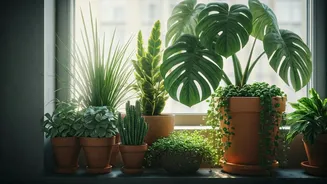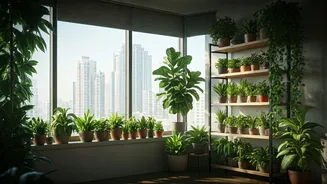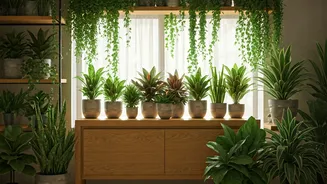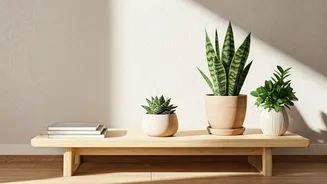



An Antidote to the Concrete Jungle
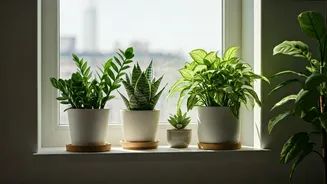
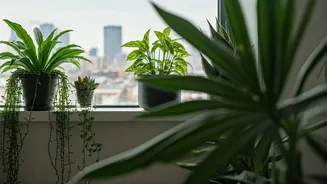
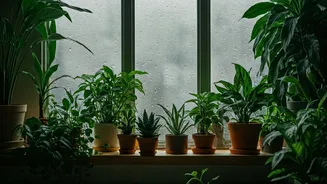
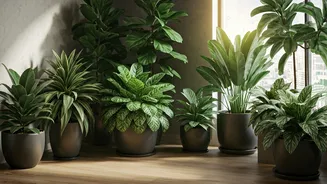
For many city dwellers, life is a frantic mix of traffic, pollution, and shrinking personal space. In this environment, a curated collection of indoor plants has become a form of self-care. The rise of biophilic design—the concept of integrating nature
into our built environment—is a direct response to this urban reality. Studies have shown that being around plants can reduce stress, lower cortisol levels, and create a sense of calm. This makes a plant-filled corner less of a hobby and more of a personal sanctuary, a quiet retreat from the chaos outside. The act of nurturing a living thing provides a grounding routine, a welcome contrast to the digital saturation of modern life.
The Rise of the 'Plant Parent'
The term "plant parent" has firmly entered the lexicon, particularly among millennials and Gen Z. What was once a niche hobby is now a mainstream cultural trend, fueled by social media platforms where perfectly arranged monsteras and fiddle-leaf figs grace countless feeds. This trend saw a significant boom during the pandemic, as people confined to their homes sought ways to connect with nature and beautify their immediate surroundings. Nurseries have reported a dramatic shift in their clientele, with a younger generation now making up a large percentage of buyers, often arriving with specific plant names sourced from the internet. This movement is about more than just aesthetics; it's about a sense of responsibility and the joy of watching something thrive under your care.
The Economics of Quiet Luxury
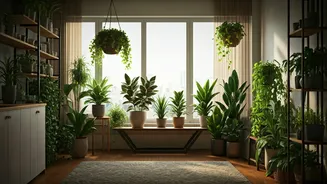
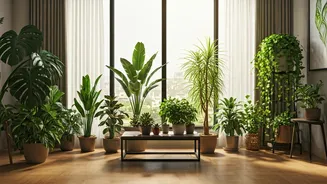
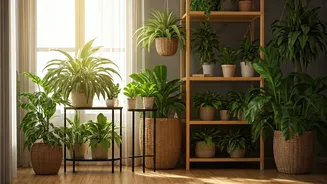
While a single plant from a local nursery can be inexpensive, creating a lush indoor jungle is an investment. The concept of 'soft luxury' or 'quiet luxury' applies perfectly here. It’s not about flashy logos but about understated quality and personal well-being. The luxury lies in the dedication of precious square footage in a compact city flat, the cost of artisanal ceramic pots, and the time spent on plant care. It’s a statement that prioritises a calming home environment and mental peace over more conspicuous forms of consumption. The market has responded in kind, with a growing industry for designer planters, specialised soils, and even plant-sitting services, reflecting a deep commitment to this green lifestyle.
More Than Just Decoration
Beyond their beauty, indoor plants are functional. Many popular varieties are known for their air-purifying qualities, capable of removing common household toxins. Research has shown that the presence of plants can remove a significant percentage of airborne toxins within 24 hours. They also help regulate humidity and can even improve focus and productivity, making them a popular addition to home offices. In a country where air quality is a persistent concern, the health benefits of houseplants add a practical layer to their appeal. Bringing a piece of the outdoors inside is also a way to reconnect with cultural roots, reviving a long-standing Indian tradition of living in harmony with nature in a modern context.