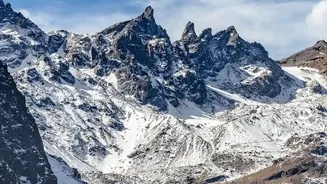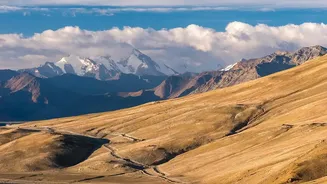

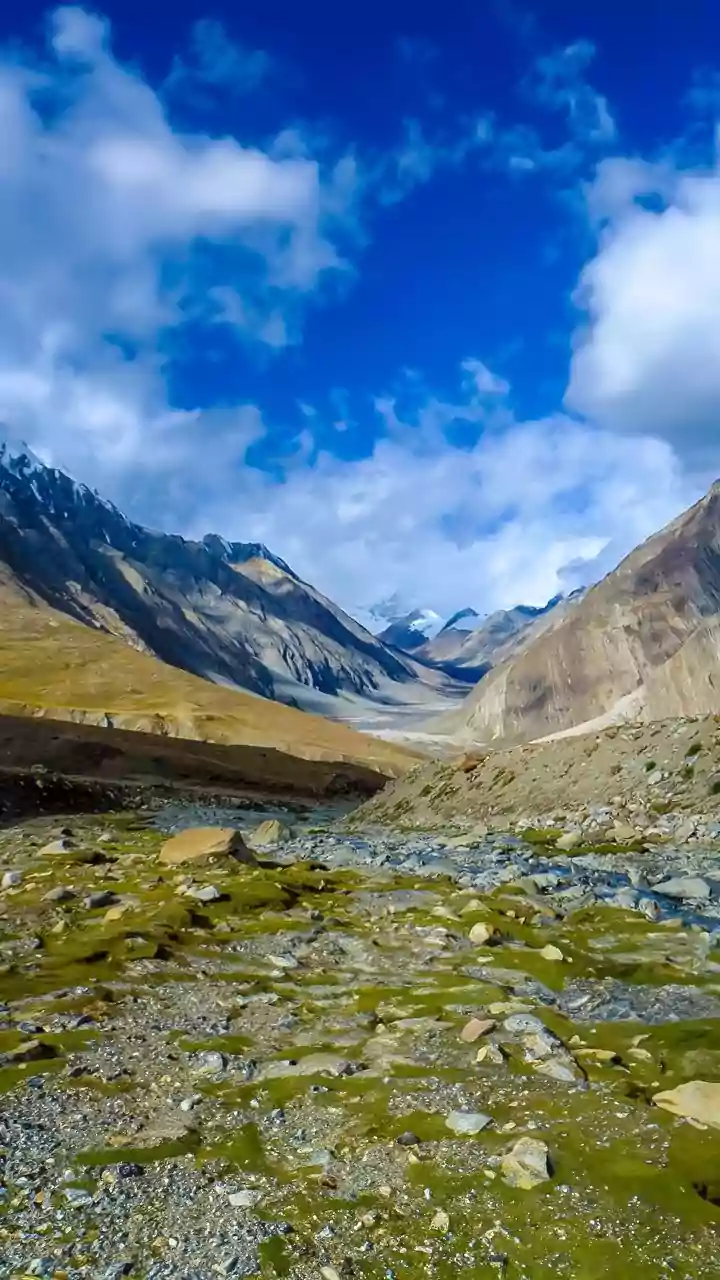
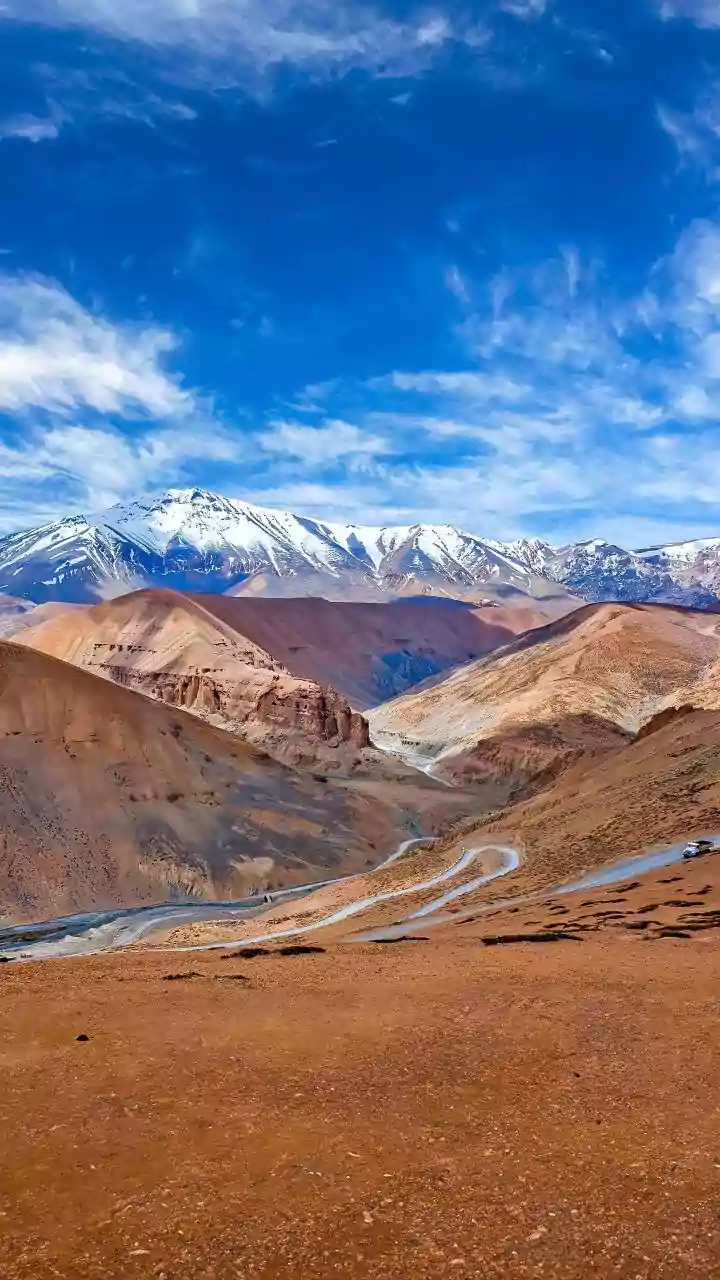
Understanding the Late Monsoon Challenge
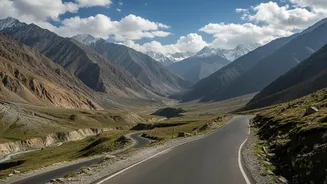
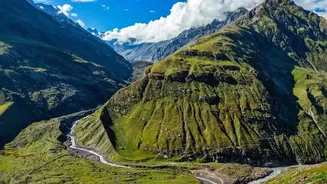
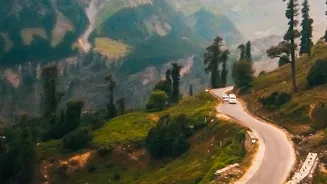
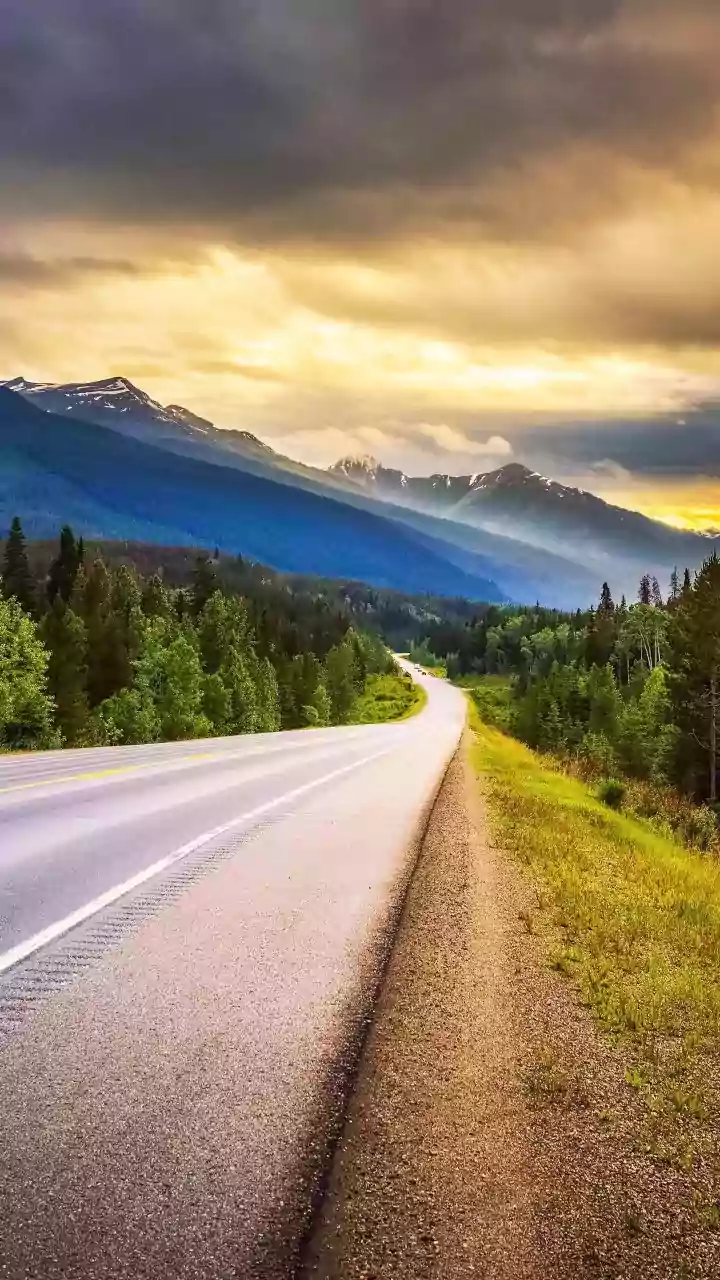
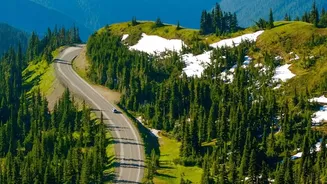
Travel between August and September means navigating the tail end of the monsoon. While Ladakh itself is a rain-shadow region and stays relatively dry, the approach roads, particularly the stretch from Manali through the Lahaul valley, are not. This period
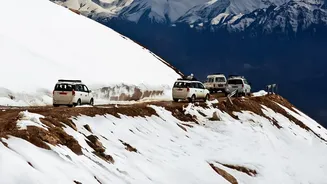
is characterized by unpredictable weather, the risk of landslides, and formidable water crossings (nalas) swelled by a combination of rain and glacial melt. Roads can be a mix of smooth tarmac and treacherous slush. The Border Roads Organisation (BRO) works tirelessly to keep the route open, but temporary blockages are a real possibility. Therefore, building buffer days into your itinerary is not just a suggestion; it's a necessity for a stress-free trip.
Your Body vs. The Altitude: Acclimatisation is Non-Negotiable
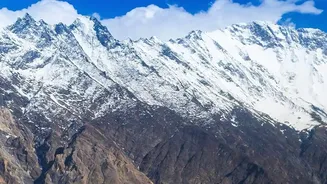
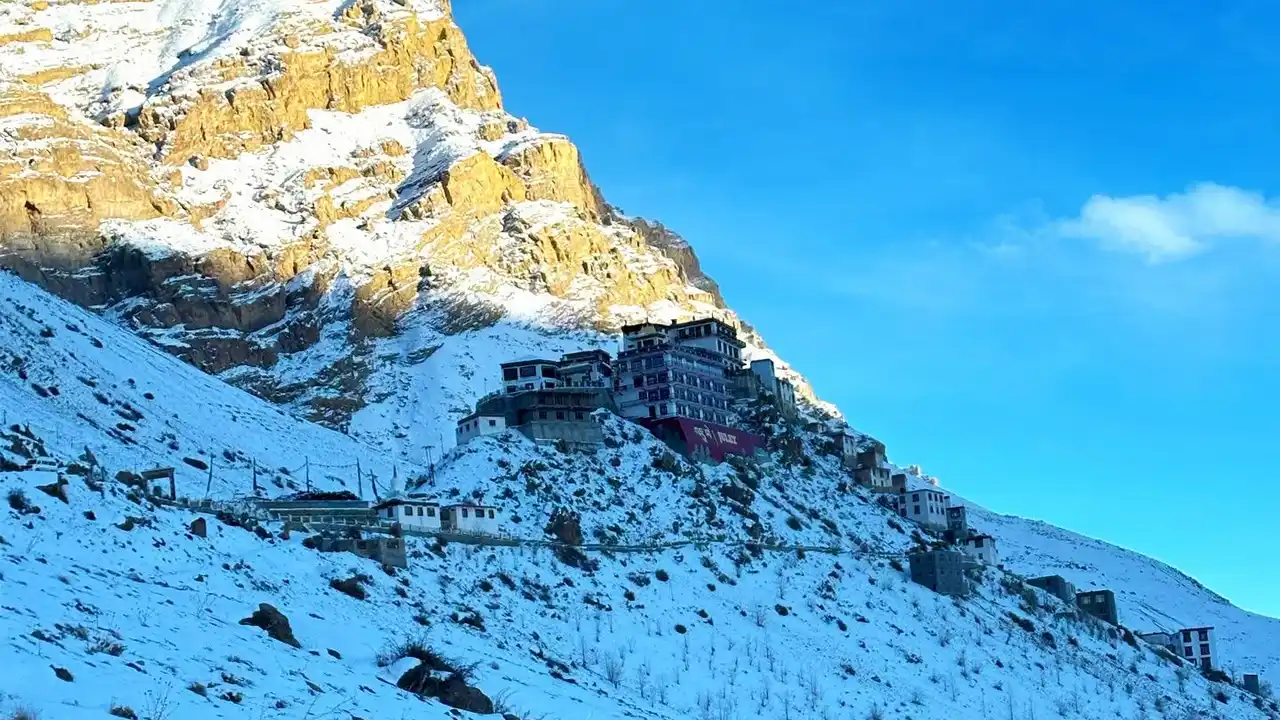
The single biggest health risk on the Manali-Leh highway is Acute Mountain Sickness (AMS). It occurs when you ascend to a high altitude too quickly, not giving your body enough time to adjust to the lower oxygen levels. Symptoms often mimic a hangover: a persistent headache, nausea, dizziness, fatigue, and loss of appetite. Ignoring these early warning signs can lead to severe and potentially life-threatening conditions like High-Altitude Cerebral Edema (HACE) or High-Altitude Pulmonary Edema (HAPE). The rapid altitude gain on the Manali-Leh route makes it particularly tricky compared to the gentler ascent from the Srinagar side. Your fitness level offers no guaranteed protection; everyone is susceptible.
The Golden Rules of a Safe Ascent
Proper acclimatisation is a simple, life-saving process. The cardinal rule is to ascend gradually. A common and highly recommended itinerary involves a two-day journey from Manali to Leh. Instead of pushing to Sarchu for your first-night halt, which sits at a challenging 4,290 metres, opt for a stop at Keylong (3,080 metres) or Jispa (3,200 metres). This lower-altitude stop allows your body a crucial night to adapt before you tackle the highest passes the next day. Once in Leh (3,500 metres), you must rest for a full 24 to 48 hours before heading to even higher altitudes like Khardung La or Pangong Tso. During this time, stay hydrated by drinking 3-4 litres of water, eat light meals, and avoid alcohol and over-exertion completely.
Prepping Your Vehicle for the Ultimate Test
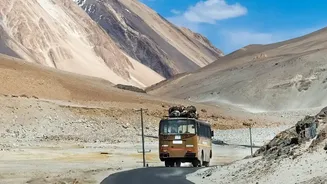
Your vehicle is your lifeline on this remote highway. A thorough service is mandatory. Choose a vehicle with high ground clearance; an SUV or a capable crossover is ideal. Before the trip, get a mechanic to perform a comprehensive check of the engine, brakes, suspension, and electrical systems. Pay special attention to your tyres; they should have at least 70-80% tread left. Given the terrain, carrying one, or even two, full-sized spare tyres is a wise investment. Ensure the engine oil is fresh, the coolant is topped up, and the air filter is clean or new, as you'll be navigating dusty, rugged roads.
Essential Spares and Driving Strategy
Help can be hours or even days away, so self-sufficiency is key. Your essential toolkit should include a puncture repair kit, a portable tyre inflator, a tow rope, and a set of basic tools. Fuel stations are scarce, with a major gap between Tandi and Karu (near Leh), so carry extra fuel in a safe jerry can. When driving, start your days early. This is especially crucial for navigating water crossings, which are at their lowest and safest levels in the morning before the afternoon sun intensifies snowmelt. Never drive on this highway after dark; the combination of unpredictable roads and a lack of lighting is a recipe for disaster.