




Beyond Potatoes and Fried Snacks
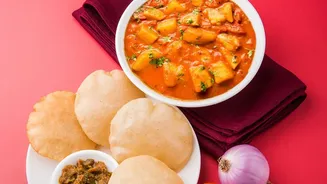
For many, Navratri fasting means a diet heavy on potatoes, sabudana, and deep-fried puris. While delicious, these foods are often high in carbohydrates and fats, leading to energy spikes and subsequent crashes. A ‘complete’ meal, even during a fast, should
aim for a balance of macronutrients: complex carbohydrates for sustained energy, protein for muscle maintenance and satiety, and healthy fats for nutrient absorption. Shifting your focus from just ‘allowed foods’ to a balanced plate ensures you can observe your fast without feeling drained or lethargic. The goal is to eat mindfully, combining different food groups to create satisfying and nutritionally sound meals.
The Foundation: Energising Carbohydrates
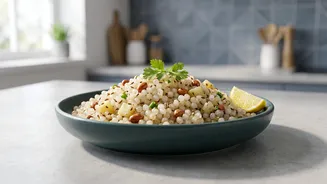
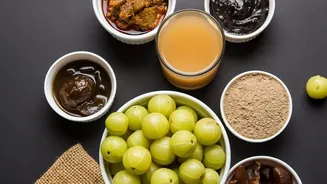
Carbohydrates are the body's primary fuel source, and choosing the right ones is crucial during a fast. Instead of simple carbs, opt for complex ones that provide lasting energy. Vrat-friendly flours like kuttu (buckwheat), singhara (water chestnut), and rajgira (amaranth) are excellent choices. These can be used to make rotis, cheelas, or parathas. Another staple is samak rice (barnyard millet), a gluten-free pseudo-grain that is light on the stomach but rich in fibre. Root vegetables like sweet potatoes and arbi (colocasia) are also fantastic sources of complex carbs that keep you feeling full for longer compared to regular potatoes.
The Power of Protein
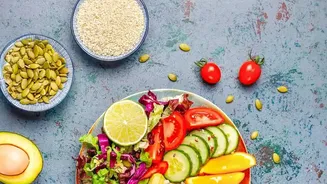
Protein is often the most overlooked nutrient during Navratri, yet it's vital for preventing muscle loss and curbing hunger. Thankfully, there are several excellent vrat-friendly protein sources. Paneer is a versatile powerhouse, containing around 18 grams of protein per 100g serving. It can be grilled, added to vegetable curries, or used as a stuffing for parathas. Dairy products like curd and milk are also essential. Nuts like almonds and walnuts, and seeds like pumpkin seeds, are not only rich in protein but also healthy fats. Even pseudo-cereals like rajgira and kuttu offer a decent amount of protein.
Embrace Healthy Fats for Satiety
Healthy fats are essential for feeling full and for the absorption of certain vitamins. Ghee, a traditional cooking medium, is an excellent choice when used in moderation. Peanuts are another fantastic source of both protein and healthy fats; adding them to dishes like sabudana khichdi not only adds a delightful crunch but also boosts the meal's nutritional profile. Coconut, whether fresh or dried, can be used in chutneys or desserts to incorporate healthy fats into your diet. These fats provide sustained energy, which is particularly important when you have long gaps between meals.
Bringing It All Together: Complete Meal Ideas
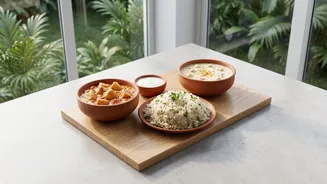
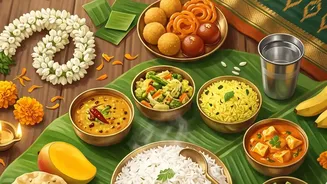
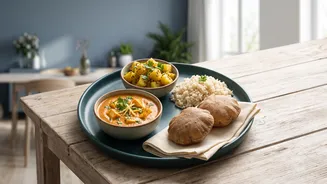
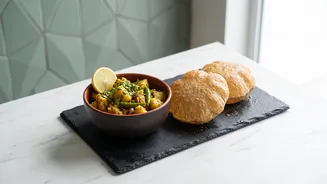
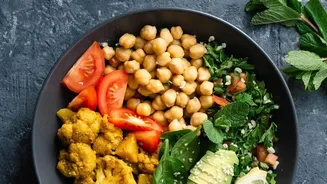
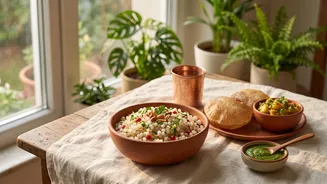
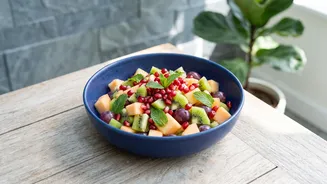
The key to a complete meal is combining these elements. Instead of a simple plate of fried potatoes, think in terms of a balanced thali. For example, a kuttu or singhara atta cheela stuffed with spiced paneer provides carbs and protein. Serve it with a bowl of curd and a side of fruit chaat. Another great combination is samak rice pulao cooked with vegetables and peanuts, paired with a lauki (bottle gourd) or cucumber raita. A singhade ke atte ka paratha with a simple vrat-wale aloo sabzi and a bowl of fruit and nut yogurt can also make for a wholesome and satisfying meal that honours tradition while nourishing your body.