

When you think of Indian food, your mind might jump to rich, heavy curries. But the reality of everyday Indian home cooking is far different, offering a time-tested, flavorful, and surprisingly simple template for balanced, nutritious eating.
Beyond the Restaurant Menu
The perception
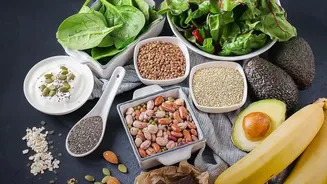
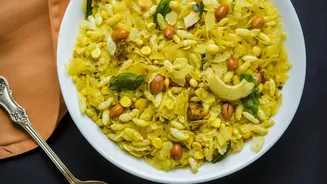
of Indian cuisine is often shaped by restaurant fare, which can be rich with cream and oil to create indulgent, special-occasion dishes. However, the food cooked daily in millions of Indian homes is typically much lighter and built on a foundation of whole foods. This style of cooking prioritizes fresh, seasonal vegetables, lean proteins like lentils and legumes, whole grains, and an array of spices that provide flavor without excess fat or calories. It’s a shift in perspective from viewing Indian food as a weekend treat to seeing it as a sustainable and nourishing approach for everyday life. This home-style cooking focuses on simple preparation methods like steaming, sautéing, and grilling rather than frequent deep-frying.
The Anatomy of a Balanced Thali
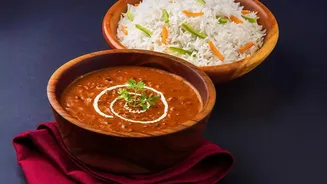
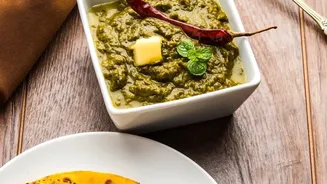
The traditional Indian thali, or platter, is a masterclass in balanced nutrition. It isn't just a random assortment of dishes; it's a thoughtfully constructed meal. A typical plate includes a small portion of dal (lentils) for protein, a sabzi (vegetable dish) for vitamins and fiber, a whole-grain flatbread like roti or a serving of rice for carbohydrates, and often a side of dahi (yogurt) for probiotics. This combination naturally covers all the essential macronutrients. A standard meal of dal, roti, and a vegetable side can provide around 20 grams of protein and a significant portion of daily fiber for about 400 calories. The variety of colors on the plate—from yellow dal to green sabzi—also ensures a wide range of phytochemicals and antioxidants, which are linked to reducing inflammation and supporting gut health.
The Power of Dal and Legumes
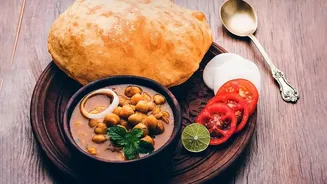
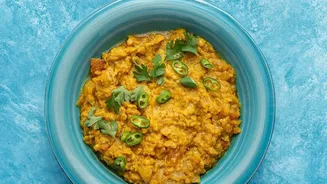
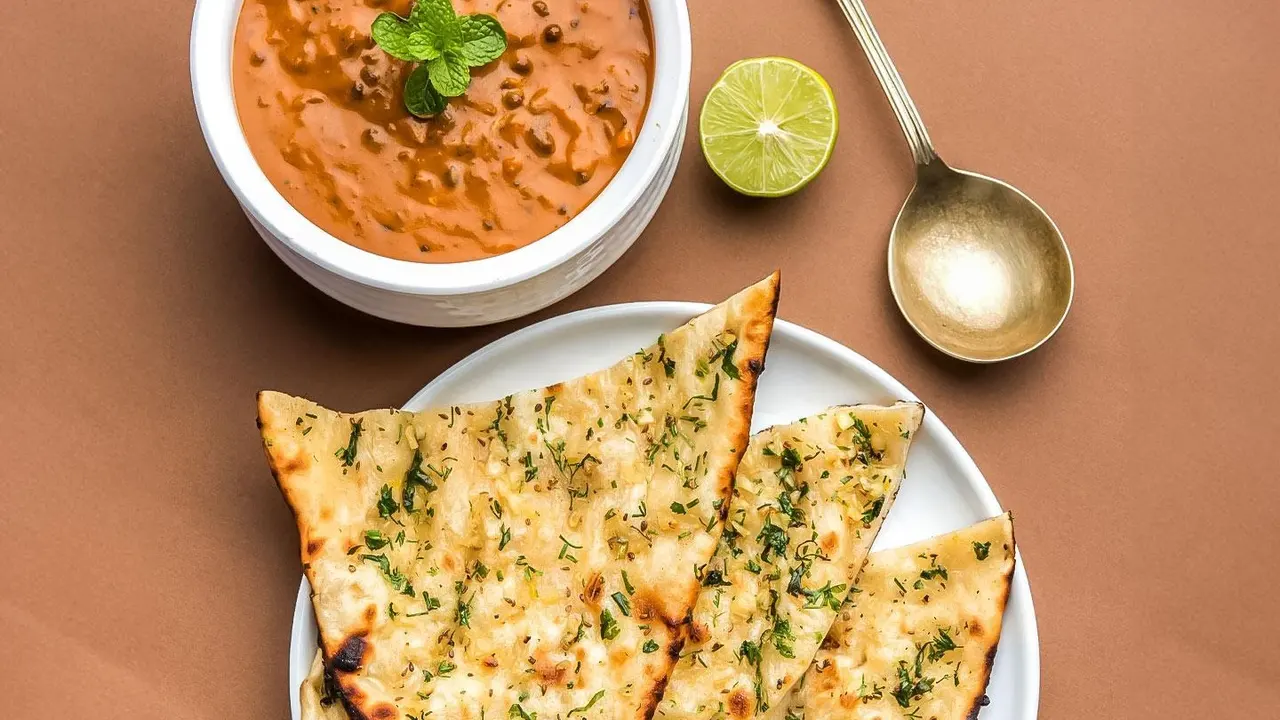
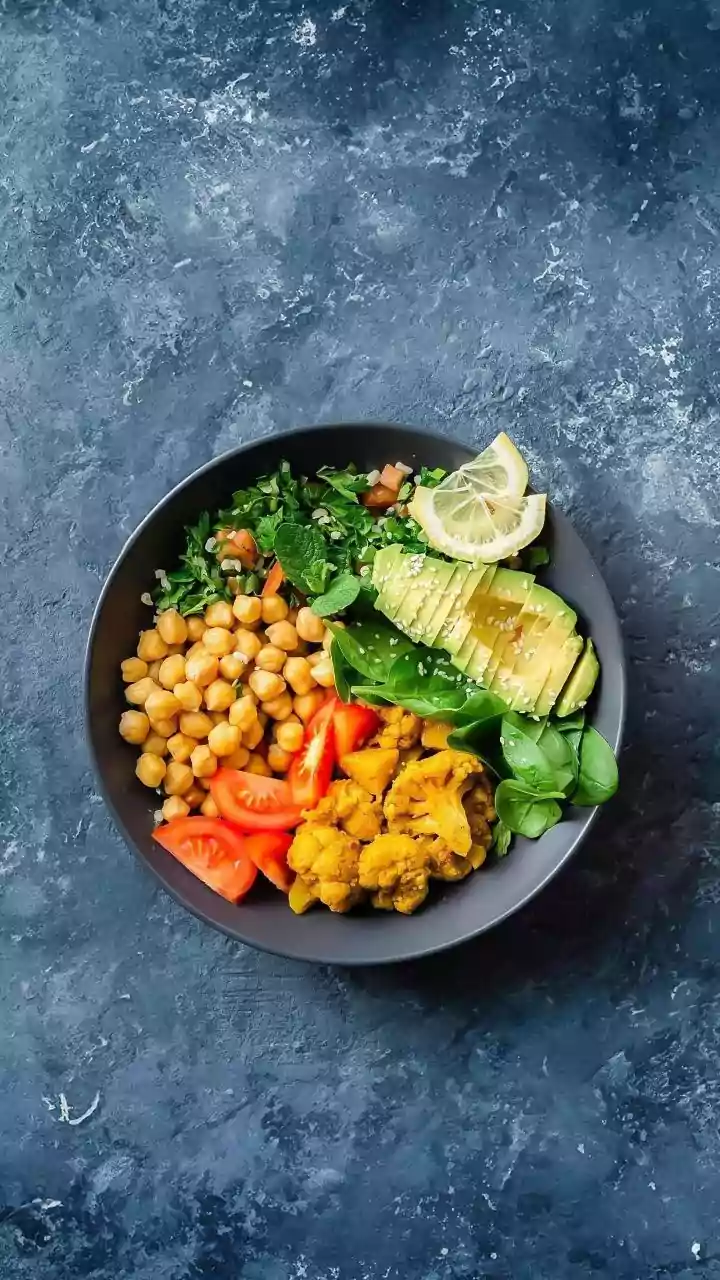
Lentils (dal) are the cornerstone of vegetarian protein in the Indian diet. Dishes like dal tadka, sambar, and chana masala (chickpea curry) are not only delicious and filling but also packed with plant-based protein, fiber, iron, and folate. Because they have a low glycemic index, lentils release energy slowly, which helps prevent blood sugar spikes and keeps you feeling full for longer. This makes them an excellent choice for weight management and overall metabolic health. When combined with rice or roti, dal provides a complete protein, offering all the essential amino acids your body needs. This simple combination has nourished generations and remains one of the most efficient and affordable ways to build a protein-rich meal.
Spices: More Than Just Flavor
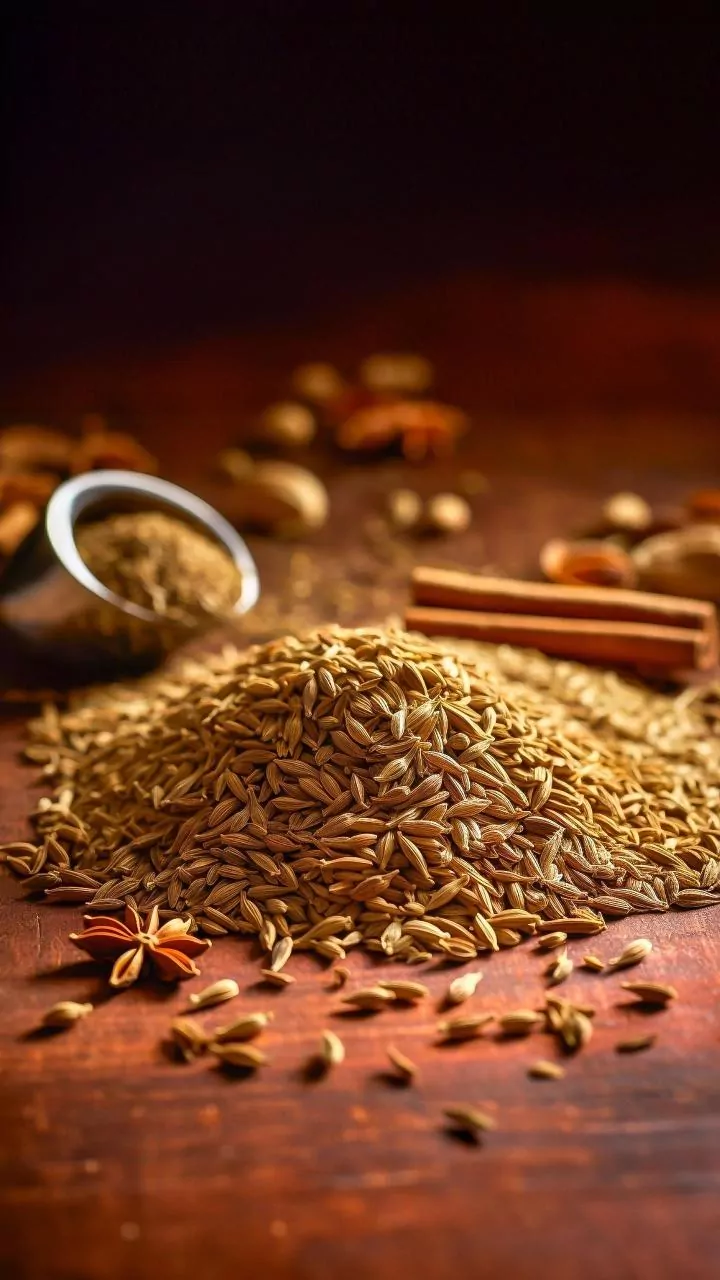
In Indian cooking, spices are used for much more than just heat and taste; they are central to the meal's health benefits. This principle is rooted in Ayurveda, an ancient system of medicine that views food as a way to maintain balance in the body. Turmeric is renowned for its anti-inflammatory properties. Cumin and coriander are known to aid digestion. Ginger and black pepper can help stimulate metabolism. The practice of 'tadka' or tempering—blooming whole spices in a small amount of hot oil or ghee—releases their essential oils and aromatic compounds, infusing the entire dish with flavor and health-promoting properties. This technique allows for deep, complex taste without relying on heavy sauces.
How to Get Started
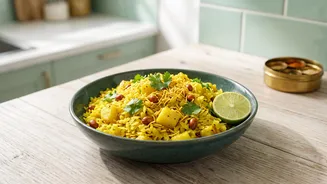
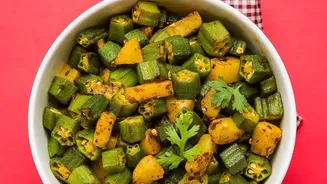
Adopting this style of eating doesn't require a complete overhaul of your kitchen. Start with simple, foundational recipes. A basic dal tadka, made from yellow lentils with a simple tempering of cumin seeds and garlic, is a perfect entry point. Pair it with brown rice and a simple kachumber salad (chopped cucumber, tomato, and onion). Another easy meal is a seasonal vegetable stir-fry, or sabzi, like bhindi masala (okra) or aloo gobi (potato and cauliflower), served with whole-wheat rotis. The key is to focus on the balance: ensure there is a protein source, plenty of vegetables, and a whole-grain carbohydrate on your plate.