



What’s Behind the Trend?
For years, the monsoon was considered the 'off-season' for travel. But that perspective has dramatically shifted. Today, it’s seen as a time when nature is at its most raw, lush, and spectacular. Social media has played a huge role, with platforms like
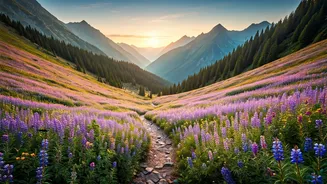
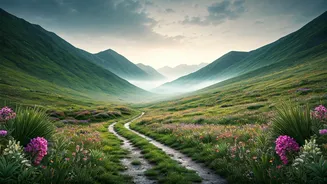
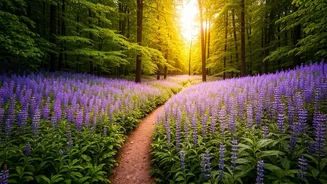
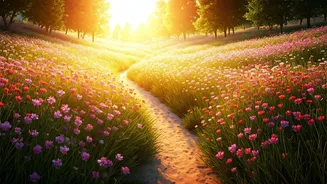
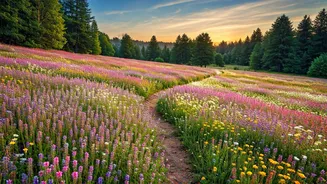
Instagram transforming once-local secrets into national bucket-list destinations. The visual appeal is undeniable: vast meadows saturated with the colours of tiny, wild blossoms create a real-life 'moodboard' that’s irresistible to photographers, nature lovers, and anyone seeking a break from urban monotony. This isn't just about pretty pictures; it’s a desire to connect with nature’s cycles and witness something ephemeral and beautiful. The experience is a blend of soft adventure and profound peace, a perfect antidote to our fast-paced digital lives.
The Himalayan Classic: Valley of Flowers, Uttarakhand
When you think of flower trails, this is the one that likely comes to mind first. A UNESCO World Heritage Site, the Valley of Flowers is a legendary high-altitude Himalayan valley that becomes a vibrant tapestry of alpine flowers during the monsoon. After a scenic trek from Govindghat and Ghangaria, you enter a paradise where over 500 species of flowers, including the elusive Brahma Kamal, bloom against a backdrop of snow-capped peaks. The air is clean, the colours are surreal, and the experience is almost spiritual. The monsoon rains keep the valley lush and wash the dust off every petal, making it the absolute best time to visit. **Best Time to Visit:** July to early September. The flowers are in full bloom, and the weather, while rainy, is what makes the valley magical.
The Deccan Wonder: Kaas Plateau, Maharashtra
Just a few hours from Pune and Mumbai lies another UNESCO World Heritage Site, but with a completely different character. The Kaas Plateau, or Kas Pathar, isn't about grand mountains; it's about the magic under your feet. During a very specific window in the late monsoon, this laterite plateau transforms into a 'sea of flowers'. Millions of tiny, vibrant wildflowers—from the pink Smithia to the blue Utricularia—spring up, covering every inch of the ground. Due to its delicate ecosystem, visitor numbers are regulated, so you must book your slot online in advance. It’s a fleeting spectacle, lasting only a few weeks, which makes witnessing it all the more special.
The Southern Charm: Munnar & The Western Ghats
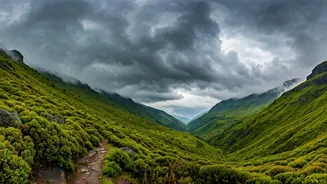
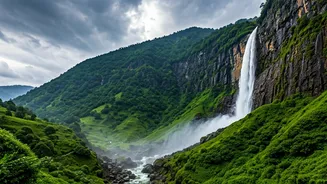
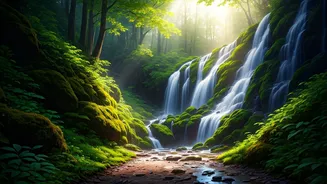
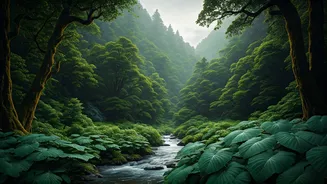
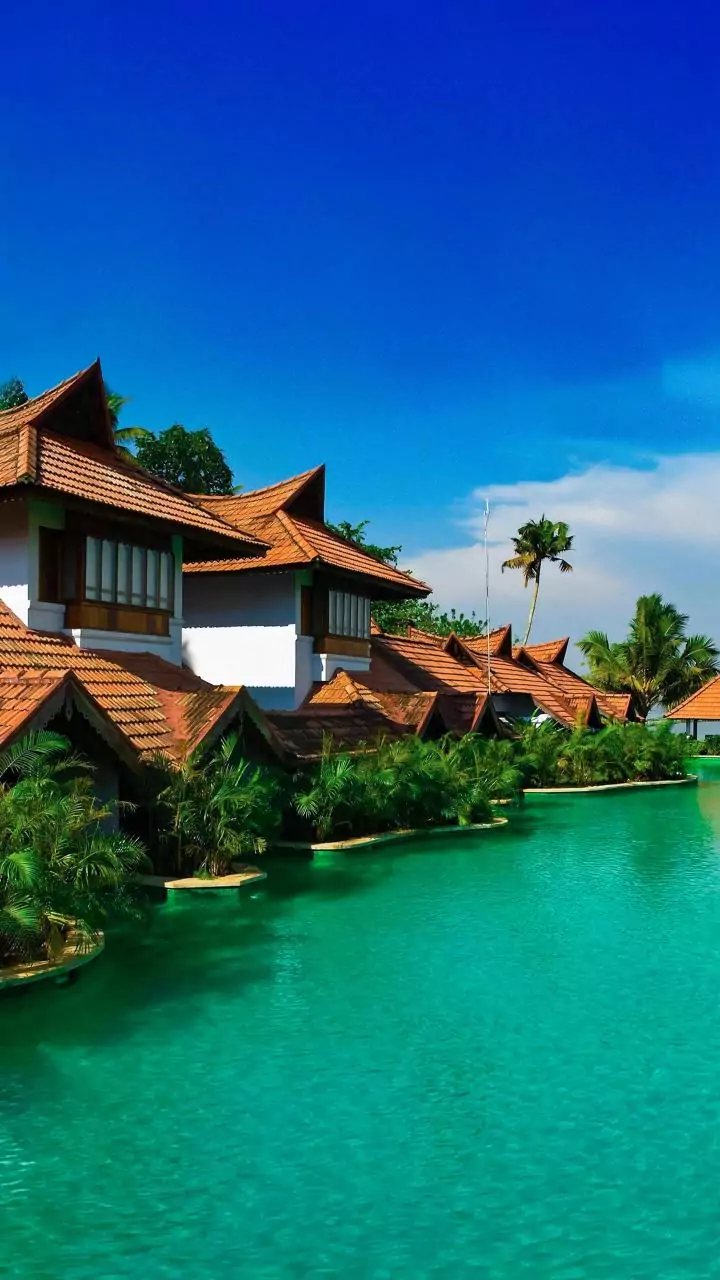
While Munnar is world-famous for the Neelakurinji flower that blooms once every 12 years, you don't have to wait that long to experience the floral beauty of the Western Ghats. During the monsoon, the entire region, from Munnar in Kerala to the hills of Coorg in Karnataka, is draped in fifty shades of green and dotted with colourful wildflowers. The misty weather, overflowing waterfalls, and meadows filled with yellow, purple, and white blossoms create a deeply romantic and refreshing atmosphere. Look out for the vibrant impatiens, also known as 'Kashithumba' locally, which carpet the roadsides and hillsides, turning a simple drive into a scenic journey through a living watercolour painting.
The Eastern Surprise: Dzukou Valley, Nagaland-Manipur Border
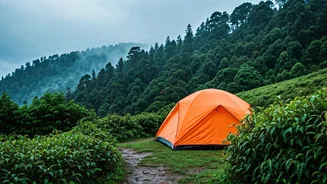
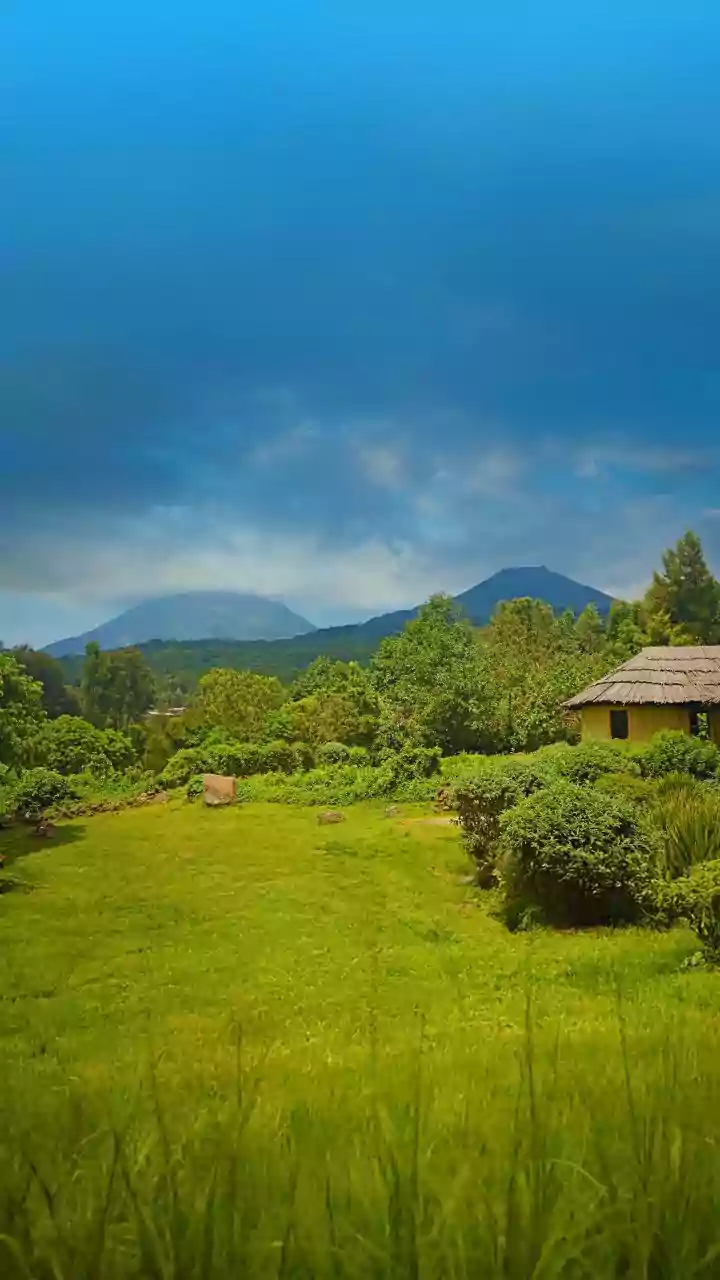
For the more adventurous soul, the Dzukou Valley offers an off-the-beaten-path experience that is second to none. Straddling the border of Nagaland and Manipur, this stunning valley is famous for its rolling hills that resemble a perfectly manicured lawn. During the summer and monsoon months, these hills are covered in a carpet of bamboo grass and dotted with countless wildflowers, most notably the endemic Dzukou Lily. The trek to the valley is part of the charm, taking you through dense forests before opening up to the breathtaking panoramic views. It's quieter and less crowded than its Himalayan counterparts, offering a sense of true isolation and wonder.