







The Sweet Countdown Begins
For India's mithaiwalas, or sweet makers, preparation for the Diwali rush doesn't begin a few days in advance; it's a marathon that starts weeks, sometimes even a month, before the festival. This period is critical, as Diwali can account for a significant
portion of their entire year's revenue, with sales often spiking dramatically. The initial phase is all about planning and logistics. Shop owners meticulously forecast demand based on previous years' sales, corporate gift inquiries, and current trends. They draw up lists of ingredients that will be needed in staggering quantities, transforming their usual supply orders into massive stockpiles of milk, sugar, ghee, chickpea flour (besan), and premium dry fruits like cashews, almonds, and pistachios.
A Symphony of Artisans
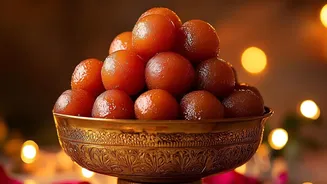
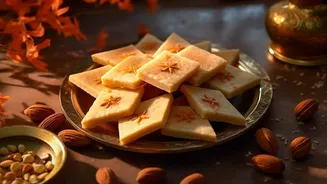
The heart of the pre-Diwali rush is the kitchen, which transforms into a hive of activity. The master craftsmen, known as 'halwais', lead the charge. These artisans, many of whom have honed their skills over decades, are the custodians of traditional recipes. Their expertise is indispensable for achieving the perfect texture of a kaju katli or the exact sweetness of a gulab jamun. To cope with the overwhelming volume, shops hire a small army of temporary staff. These extra hands are crucial for tasks like peeling nuts, grinding ingredients, shaping laddoos, and, most importantly, packing the thousands of sweet boxes that will be exchanged as gifts across the country. The kitchen operates in shifts, often running around the clock as the festival draws nearer.
From Raw Ingredients to Rows of Mithai
The production process is a carefully choreographed dance. It often starts with sweets that have a longer shelf life. Preparations like besan laddoos, crunchy chakli, and various types of barfi can be made earlier. The base ingredients, such as khoya (milk solids), are prepared in enormous batches. Large vats of milk are simmered for hours to reduce, filling the air with a rich, sweet aroma. In another corner, vats of sugar syrup bubble away, each prepared to a specific consistency required for different sweets. While tradition remains paramount, many workshops now blend age-old techniques with modern machinery. Large-scale mixers might assist in preparing doughs, but the final shaping and garnishing are almost always done by hand, preserving the artisanal touch that customers cherish.
The Corporate Gifting Crush
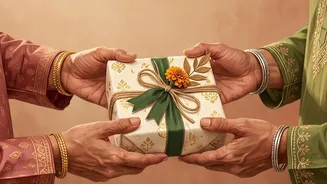
A massive driver of the Diwali rush is the tradition of corporate gifting. Companies place bulk orders for hundreds or even thousands of sweet boxes to give to employees and clients. These orders often come in weeks in advance and form the baseline of a shop's production plan. Managing these large orders requires a separate logistical operation. Customised packaging with company logos needs to be arranged, and delivery schedules must be meticulously planned to ensure every box arrives fresh and on time. This corporate demand often dictates the variety of sweets made, with many shops creating special assorted gift boxes at different price points to cater to a wide range of clients.
The Final Frenzy
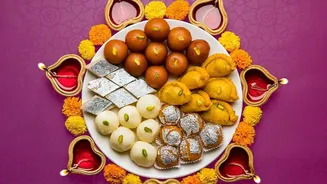
In the final days leading up to Diwali, the focus shifts to the most perishable sweets. Delicacies made from fresh milk products like chenna (used in rasgulla and sandesh) are prepared last to ensure maximum freshness. The shopfronts, which were once quiet workspaces, are now transformed into glittering displays of every imaginable mithai. Trays are piled high with colourful and silver-leaf-adorned sweets, ready for the wave of retail customers who come for last-minute purchases. The energy is frantic but festive, as staff work tirelessly to pack boxes, manage the crowds, and keep the trays constantly refilled. It's a period of intense pressure, but also immense pride.