







Feed Your Brain
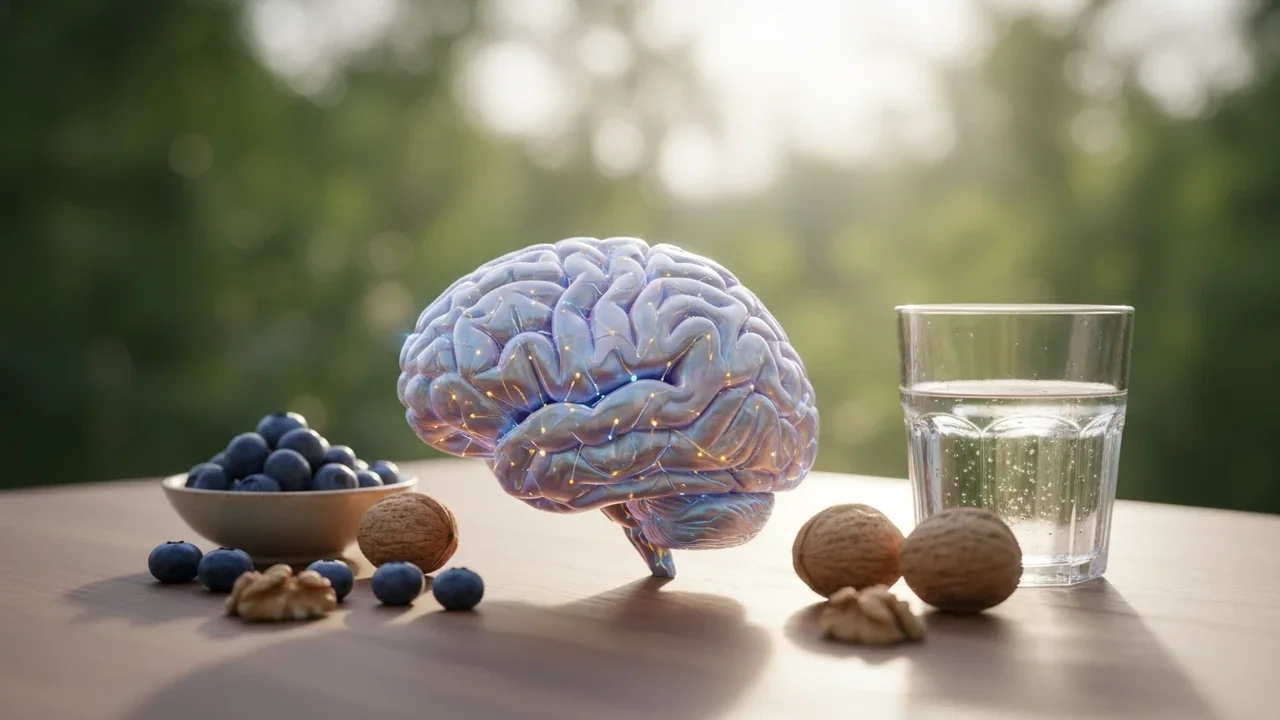
What you eat has a direct impact on your brain's structure and function. A diet rich in antioxidants, healthy fats, and vitamins can help protect against harmful inflammation and support cognitive processes. Focus on incorporating brain-boosting foods
into your meals. Green, leafy vegetables like spinach and kale are packed with nutrients like vitamin K and folate. Fatty fish such as salmon are rich in omega-3 fatty acids, which are crucial for building healthy brain cells. Berries, nuts, and even a bit of dark chocolate provide powerful antioxidants that support memory and overall brain function.
Get Your Body Moving
Physical activity is one of the most powerful things you can do for your brain. Regular exercise increases blood flow to the brain, which delivers essential oxygen and nutrients. It also promotes neuroplasticity, the brain's ability to form new connections. You don't need to run a marathon; consistency is more important than intensity. Aim for at least 30 minutes of moderate activity like brisk walking, swimming, or cycling most days of the week. Studies show that even short bursts of activity can improve memory, attention, and processing speed, with benefits seen in adults of all ages.
Prioritise Quality Sleep
Sleep is not a luxury; it's a critical maintenance period for your brain. While you sleep, your brain consolidates memories, processes information from the day, and clears out toxins that can build up and impair cognitive function. A consistent lack of quality sleep can lead to problems with concentration, memory, and decision-making. To improve your sleep hygiene, try to stick to a regular sleep schedule, even on weekends. Create a relaxing bedtime routine and make sure your bedroom is cool, dark, and quiet. Avoiding screens for at least an hour before bed can also help your brain wind down.
Challenge Your Mind
Just like your muscles, your brain benefits from a good workout. Engaging in mentally stimulating activities helps build cognitive reserve, which is the brain's ability to withstand age-related changes. This doesn't have to feel like a chore. The key is to find activities that are both enjoyable and challenging. Try learning a new skill like playing a musical instrument or a new language. Hobbies like reading, working on puzzles, playing strategy games, or even taking a class at a local community centre can keep your brain active and engaged.
Stay Socially Connected
Humans are wired for connection, and nurturing your social relationships is a vital component of brain health. Meaningful social interactions challenge the brain in complex ways, stimulating various neural circuits and promoting neuroplasticity. Studies have consistently linked strong social ties to a lower risk of cognitive decline and a greater sense of well-being. On the other hand, loneliness and social isolation have been associated with an increased risk for dementia. Make time to connect with friends and family, join a club, volunteer, or participate in community activities that you find meaningful.
Manage Your Stress
While short-term stress is a normal part of life, chronic stress can be detrimental to your brain. Prolonged exposure to stress hormones like cortisol can disrupt memory, mood, and concentration. Finding healthy ways to manage stress is crucial. Practices like mindfulness, meditation, and deep breathing exercises can help calm your nervous system. Spending time in nature and engaging in regular physical activity are also proven stress-reducers. By developing effective coping strategies, you build resilience and protect your brain from the damaging effects of chronic stress.