




The Science of Satiety
Before we dive into the list, let's understand why some foods are more filling than others. The feeling of fullness, or satiety, is primarily driven by three things: protein, fibre, and volume. Protein and fibre slow down digestion, which means food stays
in your stomach longer, releasing energy gradually and preventing the blood sugar spikes and crashes that lead to cravings. Foods with high water content also add volume without adding calories, helping to fill you up. By choosing foods rich in these components, you can manage hunger, control portion sizes, and reduce unnecessary snacking.
Lentils and Legumes
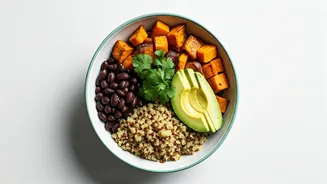
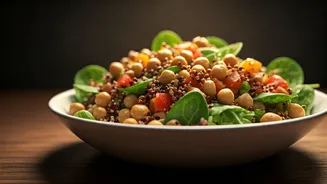
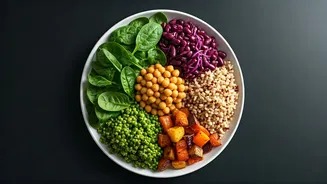
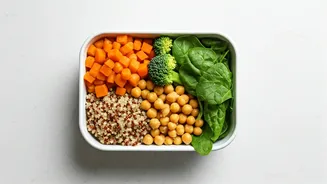
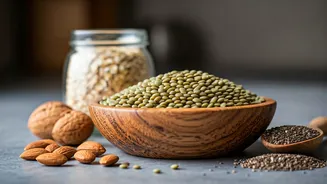
This is the powerhouse category for vegetarians. Dal, chana (chickpeas), rajma (kidney beans), and other legumes are packed with a winning combination of plant-based protein and soluble fibre. This duo works together to slow digestion to a crawl, ensuring you feel satisfied for hours. A study published in the journal *Obesity* found that meals including beans or peas were significantly more filling than meals without them. Try adding a cup of boiled chana to your salad, starting your day with moong dal cheela, or simply enjoying a hearty bowl of dal with your meal to leverage their staying power.
Oats and Whole Grains
Swap your refined grains for whole ones like oats, daliya (broken wheat), quinoa, and brown rice. Oats, in particular, are a champion of fullness. They contain a type of soluble fibre called beta-glucan, which absorbs a large amount of water and forms a thick gel in your digestive tract. This not only slows down stomach emptying but also promotes the release of satiety hormones. A simple bowl of masala oats or daliya for breakfast can significantly reduce your calorie intake for the rest of the day by curbing mid-morning hunger pangs.
Greek Yogurt and Paneer
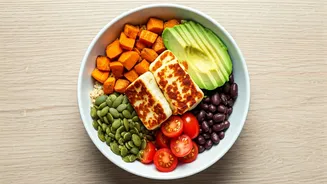
When it comes to dairy, protein is king. Greek yogurt, which is strained to remove whey, contains nearly double the protein of regular yogurt. This high protein content is excellent for promoting fullness. Similarly, paneer (Indian cottage cheese) is a fantastic source of casein, a slow-digesting protein that provides a steady supply of amino acids and keeps you feeling full. A small bowl of Greek yogurt with fruit or a few cubes of lightly sautéed paneer as a snack can be far more satisfying than a bag of chips.
Nuts and Seeds
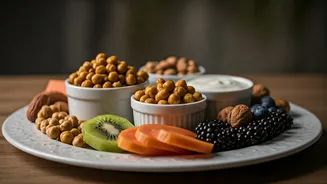
Don't be afraid of the healthy fats in nuts and seeds. Almonds, walnuts, chia seeds, and flaxseeds offer a triple-threat of protein, fibre, and healthy fats. This combination provides long-lasting energy and satiety. Chia seeds are particularly effective as they absorb up to 10-12 times their weight in water, expanding in your stomach and creating a profound sense of fullness. A handful of almonds or a tablespoon of chia seeds soaked in water or added to your yogurt can be a simple yet powerful tool to fend off hunger between meals.
Fibre-Rich Fruits and Vegetables
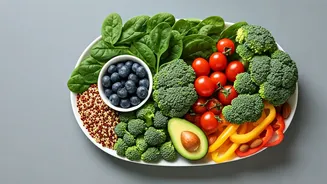
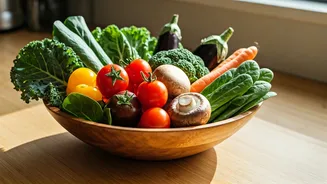
Volume is another key to feeling full. Non-starchy vegetables like broccoli, cauliflower, spinach, and bell peppers are high in water and fibre but low in calories. You can eat a large, satisfying portion without overdoing it on calories. Among fruits, apples and pears are excellent choices due to their high water content and pectin, a type of soluble fibre that slows digestion. An apple is a much smarter, more filling snack than apple juice because the fibre is intact. So, load up your plate with colourful veggies and choose whole fruits for a satisfying crunch.