







The Tech Behind the Trend
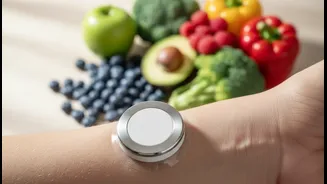
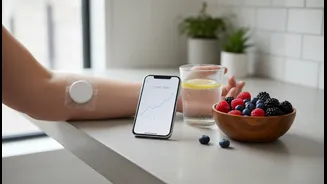
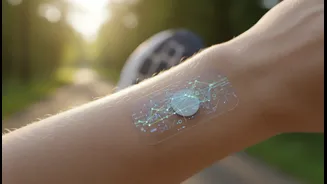
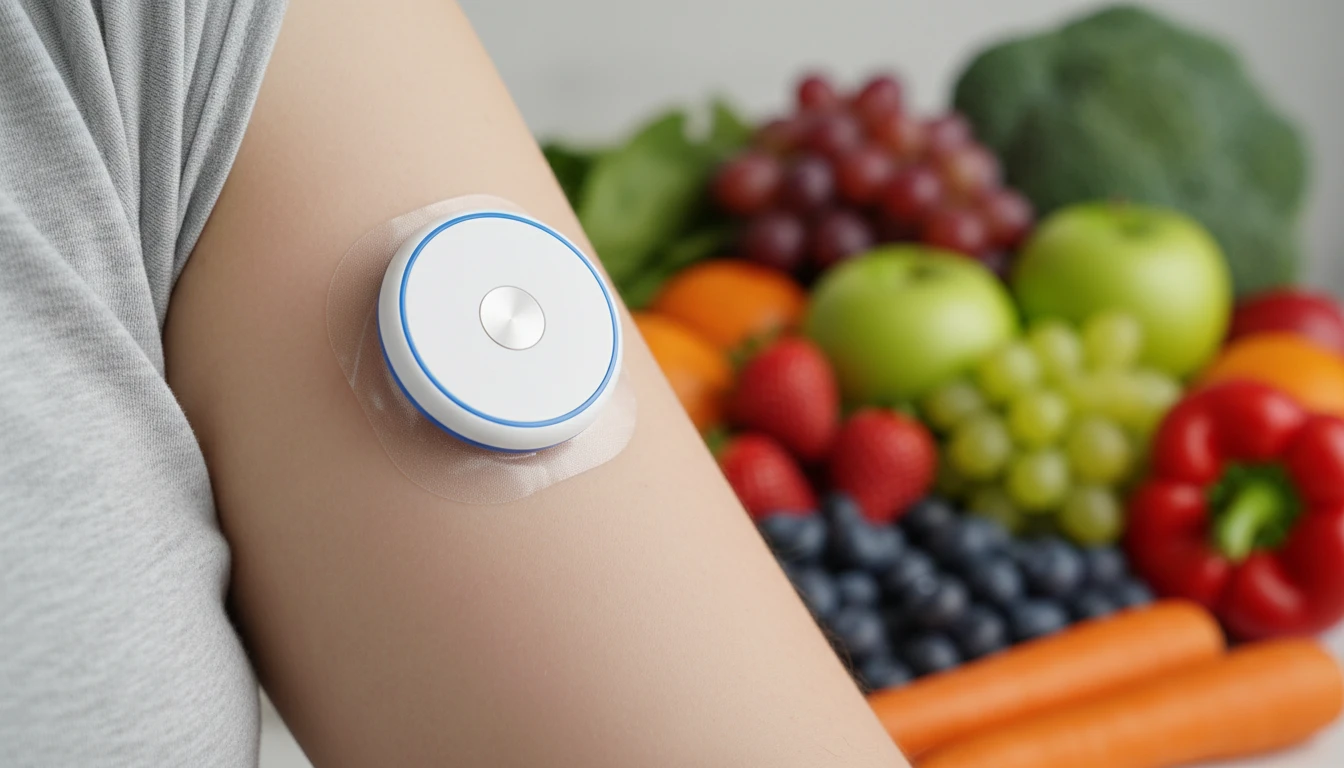
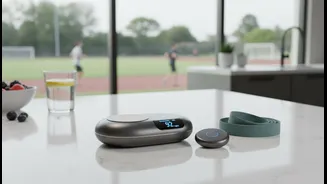
The device at the heart of this trend is the Continuous Glucose Monitor, or CGM. It’s a small, wearable sensor, often worn on the upper arm, with a tiny filament that sits just under the skin. This filament measures the glucose levels in the interstitial
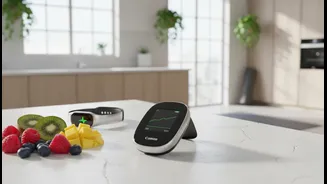
fluid—the fluid surrounding your cells—every few minutes. This data is then sent wirelessly to a smartphone app, giving you a 24/7 stream of information about your body's blood sugar responses. Originally designed to help people with diabetes manage their condition without constant finger-prick tests, these devices are now being adopted by a much wider audience.
From Medical Device to Wellness Gadget
So, why would someone without diabetes want to track their glucose? The answer lies in the growing 'biohacking' and 'quantified self' movements, where individuals use data to optimise their health and performance. Companies like Ultrahuman, a prominent player in the Indian market, and Levels in the US have repackaged CGMs as wellness tools. They promise to help users decode their metabolism, stabilise energy levels, improve athletic performance, and make smarter food choices by showing exactly how their bodies react to different meals, exercise, and even stress. Seeing a sharp glucose spike after a seemingly 'healthy' fruit smoothie, for instance, can provide powerful, personalised feedback that generic diet plans cannot.
The Promise of a Stable 'You'
The core idea is to minimise large glucose spikes and subsequent crashes. Proponents believe that maintaining stable blood sugar can lead to a host of benefits: more consistent energy throughout the day, reduced food cravings, better mood, enhanced workout efficiency, and even improved long-term metabolic health. For example, a user might learn that pairing carbohydrates with protein or fibre leads to a gentler glucose rise. The app provides scores for meals and lifestyle choices, gamifying the process of eating for metabolic health. This real-time feedback loop is what makes the technology so compelling; it turns abstract nutritional advice into a concrete, visible result on your phone.
What Do the Experts Say?
While the potential is exciting, medical experts urge a balanced perspective. Some endocrinologists and dietitians see value in CGMs as short-term educational tools that can motivate positive behavioural changes. However, they also raise important concerns. For healthy individuals, normal post-meal glucose spikes can be misinterpreted as problematic, potentially leading to unnecessary anxiety or restrictive eating habits. The accuracy of these devices can also be affected by factors like dehydration, and there's a risk of becoming overly fixated on data without proper context. Experts caution that CGMs are not diagnostic tools for diabetes and that the data is most useful when interpreted with guidance from a healthcare professional.
The Cost of a Data-Driven Diet
Accessing this level of personal data doesn't come cheap. In India, a subscription to a service like Ultrahuman, which includes the sensors and coaching app, can run into several thousand rupees. A two-week trial might cost around ₹4,700, while longer-term plans can cost significantly more. Since their use for general wellness is not considered a medical necessity, these devices are typically not covered by insurance. This positions them as a premium product for a specific demographic: health-conscious individuals who are willing and able to invest financially in optimising their well-being. Despite the cost, the market in India is growing, reflecting a global trend towards personalised health technology.