







Monsoon Fury Hits Major Highways
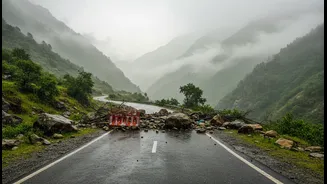
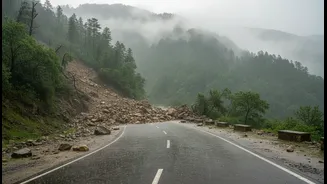
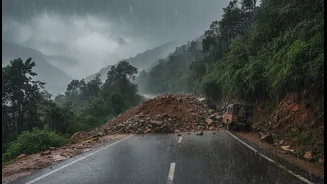
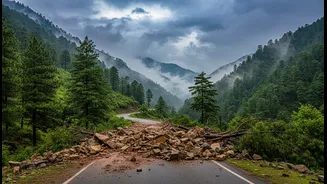
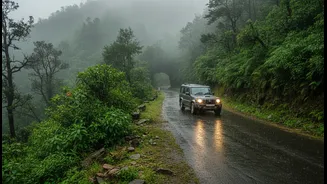
The arrival of the southwest monsoon has brought widespread, heavy rainfall to Himachal Pradesh, causing considerable disruption to the state's road network. As of early July, dozens of roads remain closed across several districts, with Kullu, Mandi,
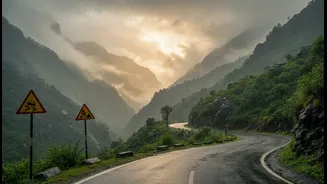
Chamba, and Sirmaur being among the most affected. The India Meteorological Department (IMD) has issued orange and red alerts for various districts, warning of heavy to very heavy rainfall, thunderstorms, and an increased risk of landslides and flash floods continuing into the next week. Authorities are urging both residents and tourists to avoid non-essential travel, particularly near rivers and landslide-prone zones.
Current Status of Key Tourist Routes
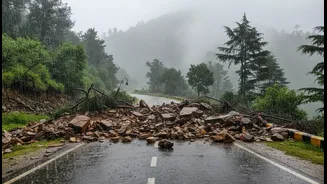
Travelers heading to popular destinations like Manali, Shimla, and Kinnaur should be prepared for delays and diversions. The crucial Chandigarh-Manali highway (NH-3) has faced repeated blockades due to landslides, especially in the vulnerable Mandi-Pandoh-Kullu section. Similarly, the Hindustan-Tibet Road (NH-5), which connects Shimla to Kinnaur, has seen closures due to debris and flash floods. Even the historic Kalka-Shimla railway line, a UNESCO World Heritage site, experienced temporary disruptions after a hill slip. While authorities like the National Highways Authority of India (NHAI) and Border Roads Organisation (BRO) are working continuously to clear blockades, the situation can change rapidly with fresh rainfall.
Why Are Roads So Vulnerable?
Himachal's mountainous terrain is naturally susceptible to landslides, a risk that is magnified during the monsoon. The intense rainfall saturates the soil on steep slopes, leading to mudslides and rockfalls. Ongoing road-widening projects, while intended to improve infrastructure in the long run, can temporarily destabilize hillsides, creating new vulnerable points. In some areas, flash floods caused by cloudbursts or overflowing rivers and nullahs deposit enormous amounts of debris on highways, making them impassable. These combined factors mean that even major national highways can be shut down with little warning.
How to Plan and Travel Safely
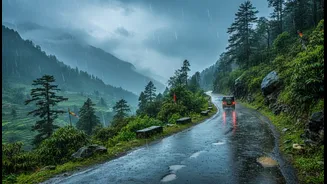
Flexibility and information are your best allies for a monsoon trip to Himachal. Before starting your journey, and at the beginning of each day, check for the latest traffic advisories from official sources like the Himachal Pradesh Police. Local authorities often suggest alternative routes when main highways are blocked. For instance, the Mandi-Kataula-Bajaura route has been recommended as an alternative to the main Kullu highway during recent closures. It's crucial to avoid travelling at night, when visibility is poor and spotting fresh landslides is nearly impossible. Do not attempt to cross flooded roads or park your vehicle near rivers or on unstable slopes. The police have specifically warned against parking near weak or dry trees, which can fall during heavy rain and wind.
Consider Safer Alternatives
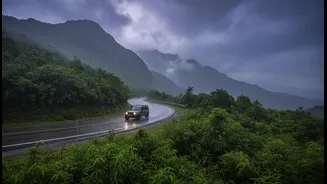
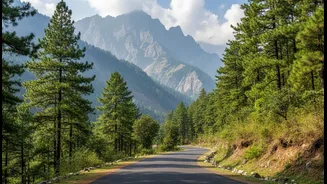
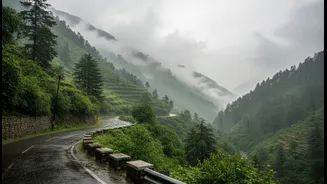
If your itinerary is flexible, you might consider destinations at lower elevations that are less prone to severe landslides. Places like Kasauli or Palampur can offer a beautiful monsoon experience with relatively more stable and accessible road networks. These locations provide the lush greenery and misty charm of the season while minimizing exposure to the most treacherous high-altitude highways. If you are set on visiting major tourist hubs like Shimla or Manali, it's wise to book hotels with flexible cancellation policies and add buffer days to your travel plan to account for potential delays. A well-planned, cautious approach is key to enjoying Himachal's monsoon beauty safely.