







More Than Just a Trend
In cities like Mumbai, Delhi, and Bengaluru, a quiet revolution is happening underfoot. Against a backdrop of neon-coloured, air-cushioned running shoes that cost a small fortune, a growing number of fitness enthusiasts are choosing to go back to basics.
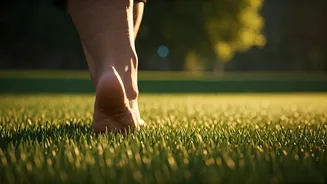
They are kicking off their shoes and letting their soles meet the earth. This isn’t just about saving money; for many, it’s a deliberate choice. Fuelled by social media posts and a desire for a more ‘natural’ lifestyle, barefoot running—or ‘earthing’ as it’s sometimes called—is moving from a niche curiosity to a mainstream wellness conversation among young, urban Indians. It taps into a collective yearning to disconnect from the digital and reconnect with the physical world in its most fundamental form.
The Allure of 'Grounding'
So, what’s the big appeal? Proponents of barefoot running often talk about two key concepts: grounding and proprioception. 'Grounding' or 'earthing' is the belief that direct physical contact with the vast supply of electrons on the surface of the Earth can have positive health effects, from reducing inflammation to improving sleep. While scientific evidence on grounding remains preliminary and is viewed with scepticism by many in the medical community, the anecdotal support is strong and vocal. More scientifically accepted is the benefit to proprioception—your body's ability to sense its own movement and position. Without the thick padding of a modern shoe, your feet can send far more detailed feedback to your brain about the terrain, allowing for micro-adjustments that can improve balance and stability. It forces you to be more mindful of each step.
Strengthening from the Ground Up
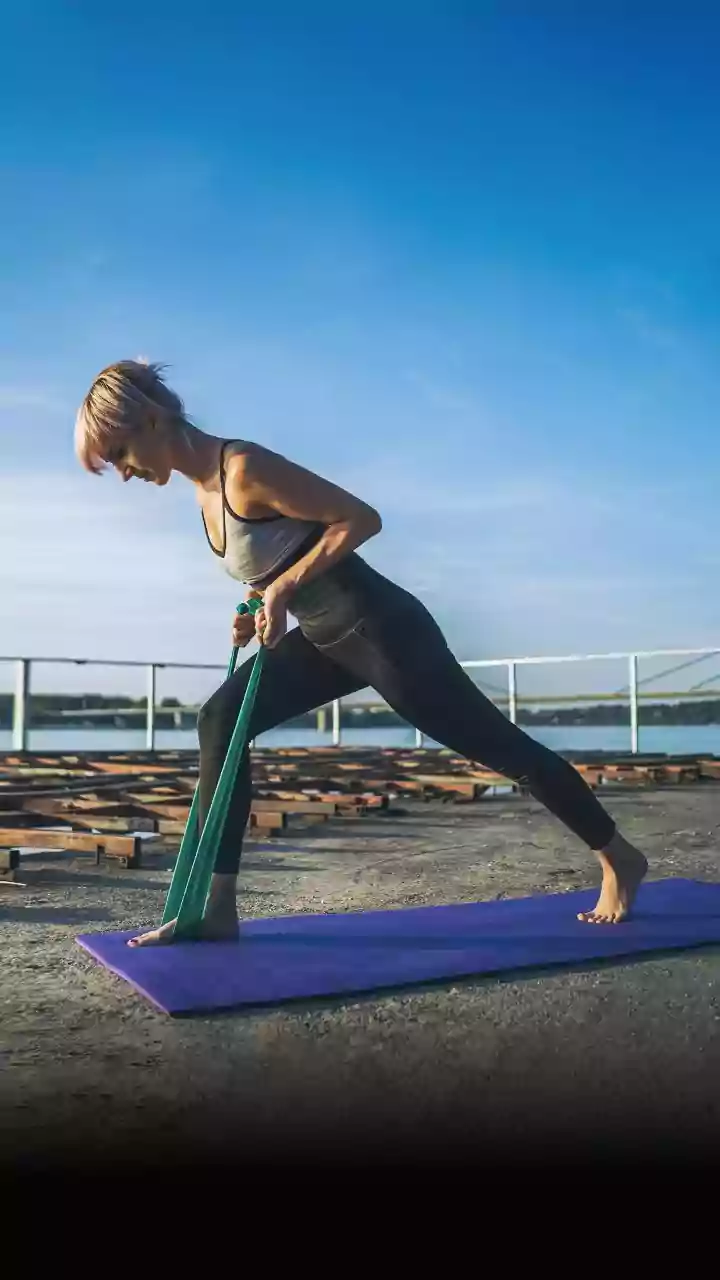
Beyond the more esoteric ideas, there are clear biomechanical arguments for going barefoot. Cushioned shoes can encourage a heavy, heel-striking gait, which sends a shockwave up your leg. Running barefoot naturally encourages you to land more on the midfoot or forefoot, which uses the natural arch of your foot as a spring to absorb impact. Over time, this can lead to a more efficient running form and potentially reduce the risk of certain impact-related injuries. Furthermore, running without support forces the dozens of small muscles, tendons, and ligaments in your feet and lower legs to work harder. This can lead to stronger, more resilient feet—a solid foundation for your entire body. Think of it as a gym workout, but for your feet.
Tread Carefully: The Obvious Risks
Before you toss your trainers in the bin, it’s crucial to acknowledge the risks. Our urban parks are not pristine wildernesses. The most immediate dangers are sharp objects: broken glass, sharp stones, or metal scraps that can cause serious cuts. Then there’s the issue of hygiene. Running barefoot on ground that might be contaminated with animal waste or other pollutants carries a risk of bacterial or fungal infections, and in some cases, parasites. There's also the significant risk of doing too much, too soon. The feet of a lifelong shoe-wearer are not adapted to the stresses of barefoot running. Transitioning too quickly can lead to painful injuries like plantar fasciitis, Achilles tendonitis, or even stress fractures in the metatarsal bones.
How to Start Your Barefoot Journey
If you’re intrigued and want to try it, the key is to be slow, smart, and patient. Don't go from a 5k in cushioned shoes to a 5k barefoot overnight. 1. **Start on a safe surface:** Find a clean, well-maintained patch of grass or a sandy beach. Inspect the area carefully before you begin. 2. **Begin with walking:** Just walk barefoot for 10-15 minutes a few times a week. Let your feet get used to the sensation and the new demands. 3. **Incorporate short runs:** Once walking feels comfortable, try jogging for just a minute or two at the end of your regular run. Gradually increase the duration over weeks and months, not days. 4. **Listen to your body:** Pay close attention to any new aches or pains. Soreness in your calves and feet is normal at first, but sharp, localised pain is a red flag. Stop immediately if you feel it. 5. **Practice foot hygiene:** Wash and inspect your feet thoroughly after every barefoot session. Check for any cuts or scrapes and treat them properly.