


The Foundation: Your Masala Base
Before you even think about a creamy substitute, the foundation of your curry must be solid. The most important step is the patient cooking of your onion, ginger, and garlic base, a process known as 'bhunao'. Sautéing your aromatics in oil until they
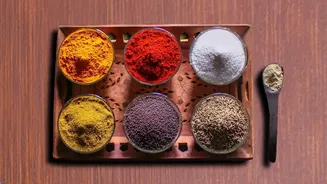
are soft, translucent, and beginning to caramelise is what builds the first layer of depth and natural sweetness. Rushing this stage will leave you with a raw, sharp taste. After adding tomatoes and ground spices like turmeric, coriander, and cumin, continue to cook the masala down, stirring frequently. You are looking for the point where the oil begins to separate from the mixture, pooling at the edges of the pan. This indicates that the water content has reduced, and the flavours have concentrated into a thick, flavourful paste, which is the perfect starting point for a rich gravy.
The Magic of Nuts and Seeds
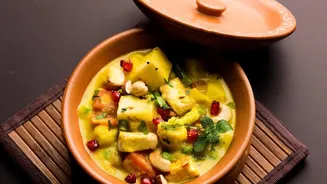
One of the most traditional and effective ways to add creaminess without dairy is by using a paste made from nuts or seeds. Cashews are the most popular choice because of their high-fat content and neutral flavour, which creates a silky texture without overpowering the spices. To prepare, simply soak a handful of raw cashews in hot water for about 15-20 minutes, then blend them with a little fresh water until you have a completely smooth, cream-like paste. This paste can be stirred into your curry towards the end of the cooking process. Other options include blanched almonds, which work similarly to cashews, or more traditional choices like poppy seeds (khus khus) and melon seeds (magaz), which also serve as excellent thickening agents.
Coconut: A Versatile Classic
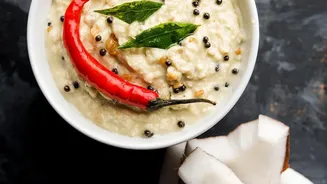
Coconut is a classic choice for dairy-free creaminess, especially in South Indian and coastal cuisines. It's important to understand the difference between coconut milk and coconut cream. Coconut milk provides a lighter, more fluid consistency, ideal for general-purpose curries. Coconut cream, which is thicker and has a higher fat content, delivers a much richer, more luxurious texture and is best added near the end of cooking to avoid splitting. For a different kind of body, you can also use finely ground or desiccated coconut, which thickens the sauce while adding a pleasant texture. When using coconut, a squeeze of lime or a hint of tamarind at the end can help balance its richness and keep the final dish from feeling too heavy.
The Blending Technique
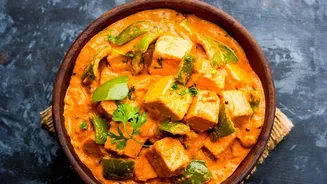
The final secret to a restaurant-style smooth curry lies in blending. As the headline suggests, this step is just as important as the ingredients. After you have fully cooked your onion-tomato masala, you can use an immersion blender or a high-powered standing blender to blitz the base until it's completely smooth. This process breaks down all the individual components into a homogenous, velvety sauce, which is the hallmark of dishes like butter chicken or korma. If you've added soaked nuts, blending them along with the masala will ensure they are fully incorporated, creating an exceptionally creamy finish. Some cooks even blend a small portion of the finished curry (the sauce and some of the vegetables) and stir it back into the pot to add body without changing the overall flavour profile.
Other Smart Thickeners
Beyond nuts and coconut, several other pantry staples can help you achieve a thicker, creamier curry. Cooked lentils, particularly red lentils (masoor dal), can be pureed and stirred into a curry; they dissolve into the sauce, adding protein and body without a distinct flavour. A small amount of roasted gram flour (besan), toasted in a dry pan until fragrant and then whisked into the sauce, is another traditional method for thickening gravies. You can also use pureed vegetables like boiled potato or pumpkin to add substance and a subtle sweetness. These methods are not only effective but also add extra nutrients to your final dish.